Water Damage Restoration Palmyra, NJ
24/7 water damage restoration in Palmyra, NJ. The drying team removes standing water, dries walls and floors to the IICRC S500 standard and keeps a dated record for the insurance claim.
(888) 471-9821Water coming in off the street? Call now.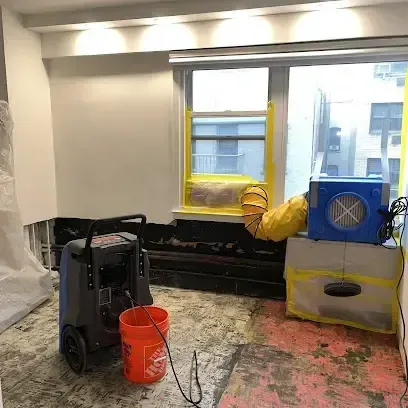
Built into every borough dry-out
- Dispatch 24/7, nights included
- IICRC S500 drying targets
- Truck-mounted water removal
- Daily moisture readings
Water Damage Restoration Services in Palmyra, NJ
Fifteen services sized for a river borough of older single homes, attached homes, condominiums and apartment buildings along Route 73.
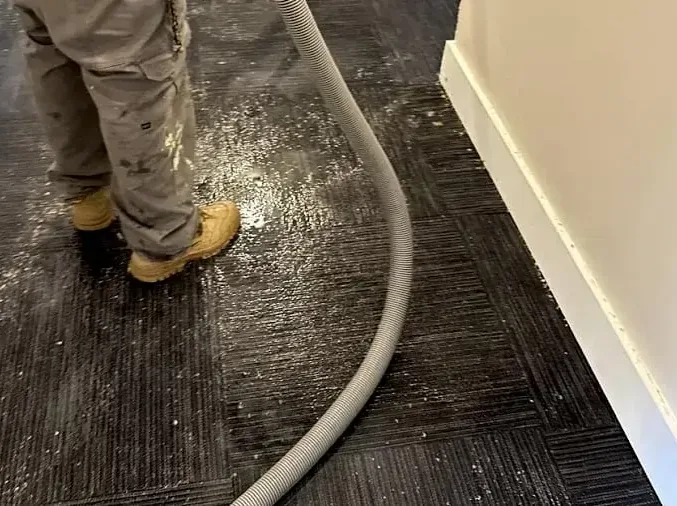 Emergency Water ExtractionStanding water pulled from floors and carpet with truck-mounted units before drying begins.How this gets dried out
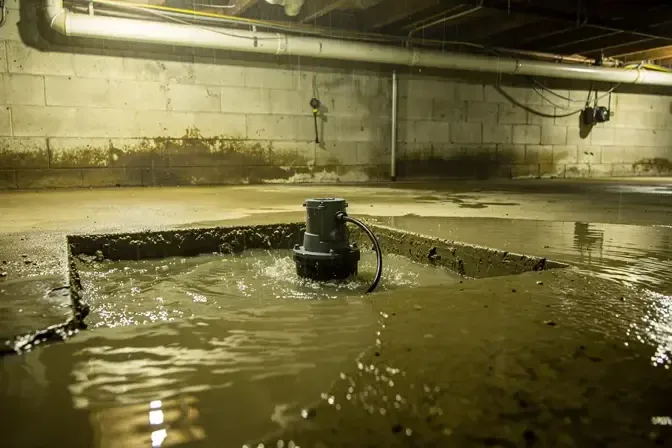 Basement Flooding CleanupBelow-grade rooms pumped out, wet finishes removed, and walls and floors dried to readings.How this gets dried out
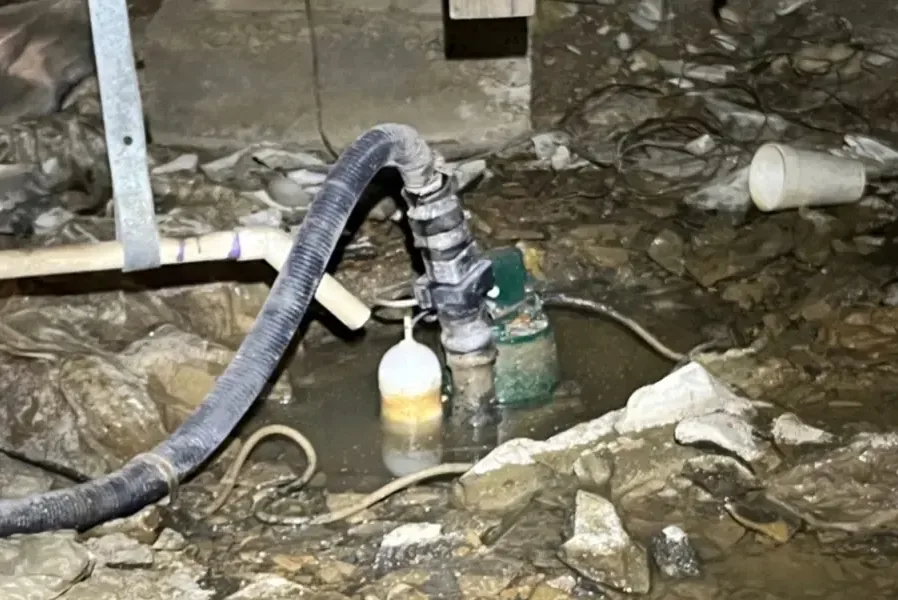 Sump Pump Failure Water DamageOverflow from a stopped sump pump extracted, then the slab and walls dried.How this gets dried out
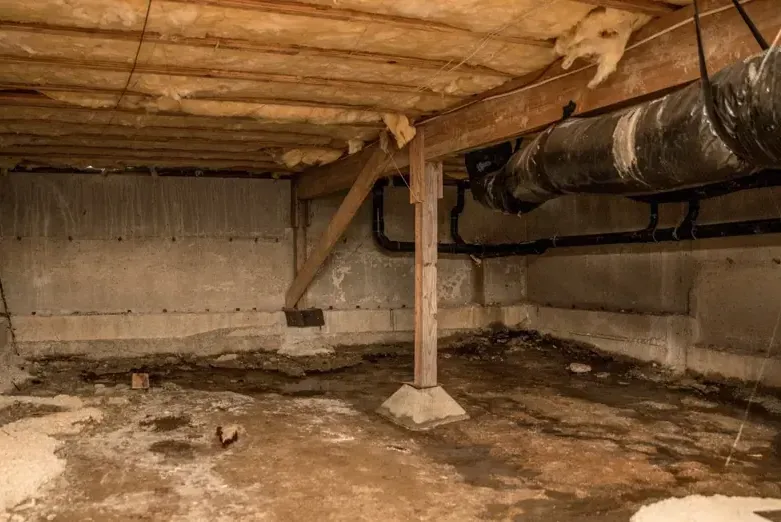 Crawl Space Water RemovalWater under the floor pumped out and the joists and subfloor dried from below.How this gets dried out
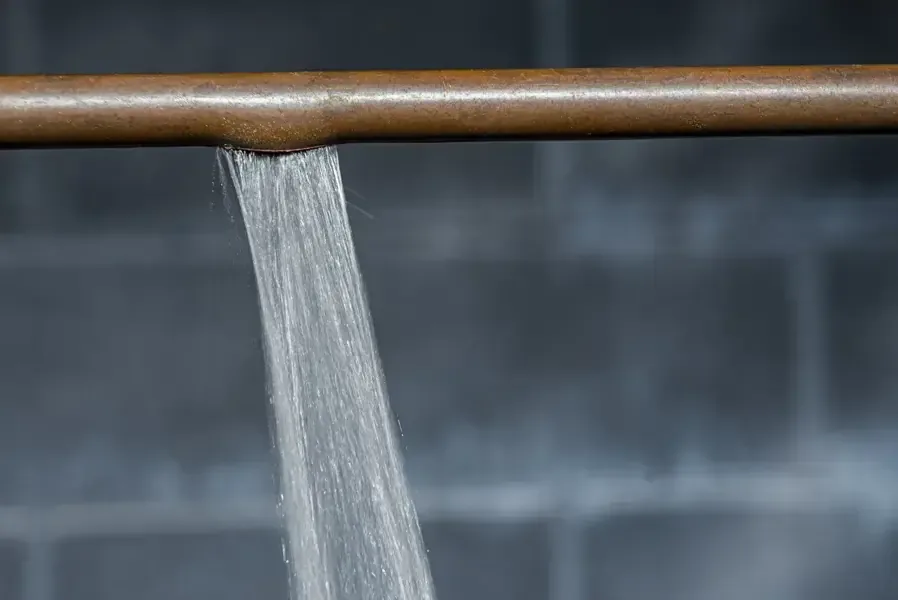 Burst Pipe Water DamageSplit supply pipe in older walls traced with meters, opened only where wet, then dried.How this gets dried out
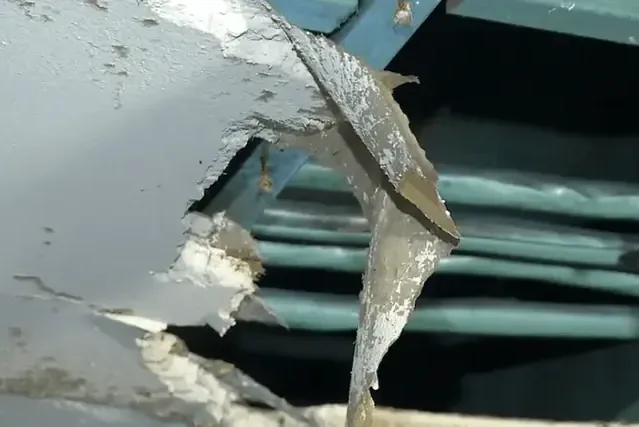 Frozen Pipe Water DamagePipes that crack in a hard freeze, with the thaw water extracted and dried.How this gets dried out
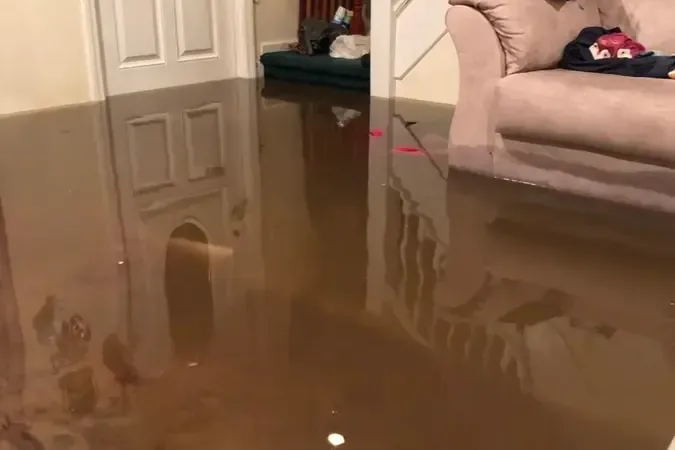 Storm and Creek Flood CleanupStreet and river flooding handled as Category 3, with soaked materials removed first.How this gets dried out
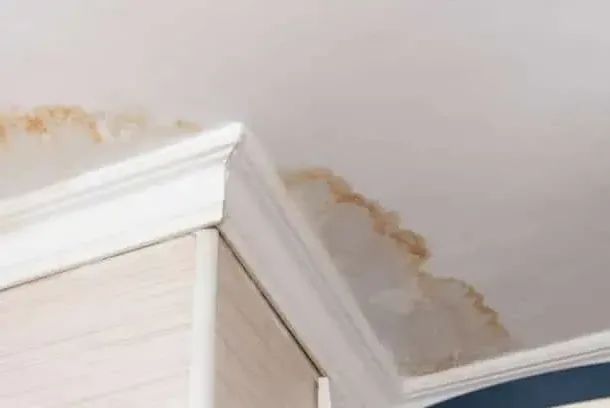 Roof Leak Water DamageRain through shingles or flashing, wet insulation pulled and ceilings dried.How this gets dried out
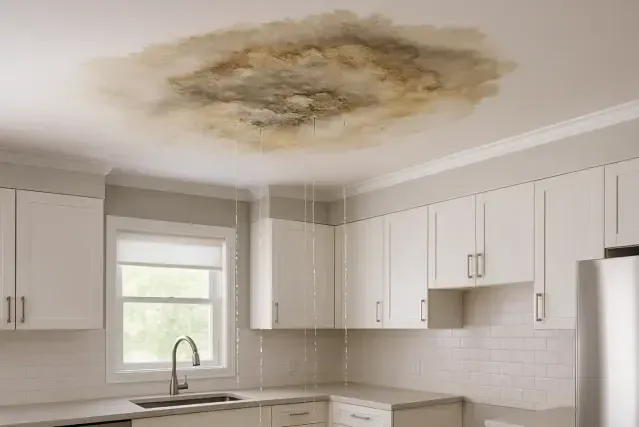 Ceiling Leak Water DamageLeaks from the unit or bathroom above traced and the ceiling bays dried.How this gets dried out
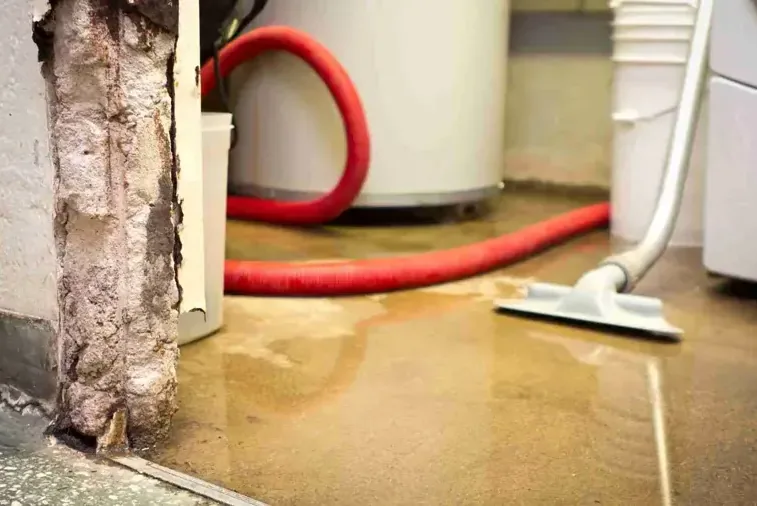 Water Heater Leak CleanupA failed tank or fitting extracted fast, then floors and nearby walls dried.How this gets dried out
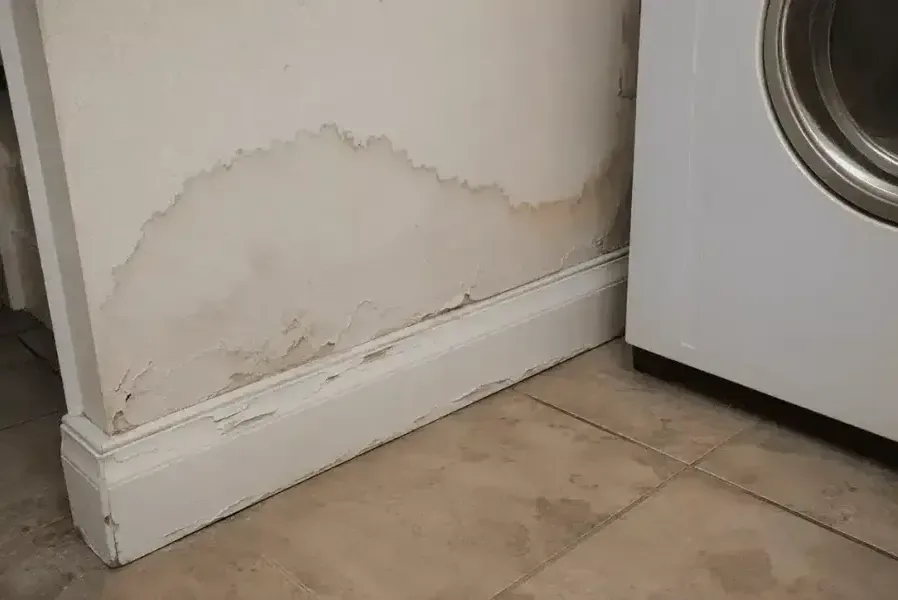 Appliance Leak Water DamageWasher, dishwasher and ice-maker leaks found under cabinets and dried in place.How this gets dried out
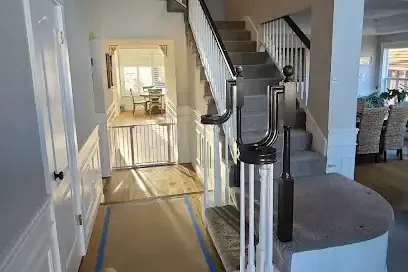 Townhome and Condo Water DamageLeaks between attached homes and condo units dried and documented unit by unit.How this gets dried out
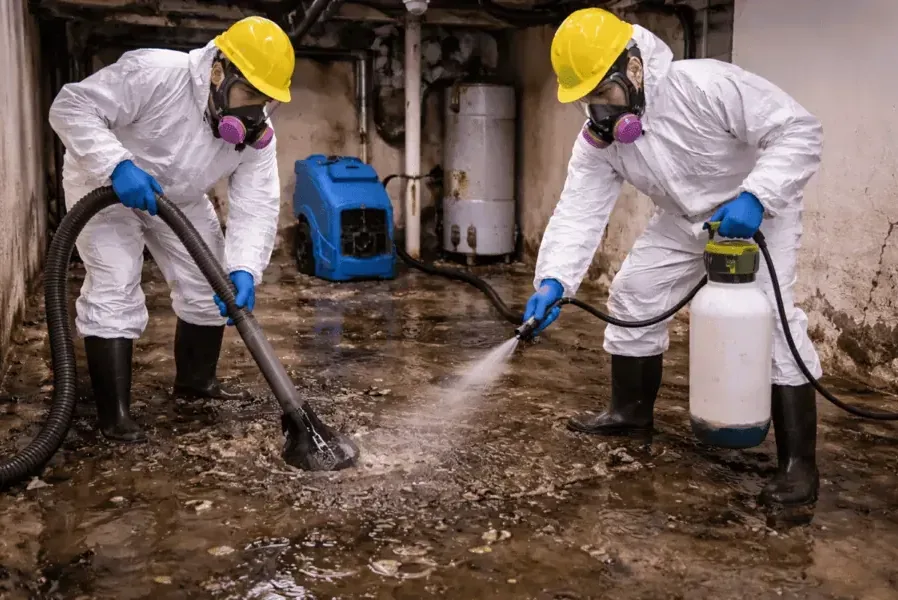 Sewage Backup CleanupSewer backups at the lowest drain contained, removed and treated as Category 3.How this gets dried out
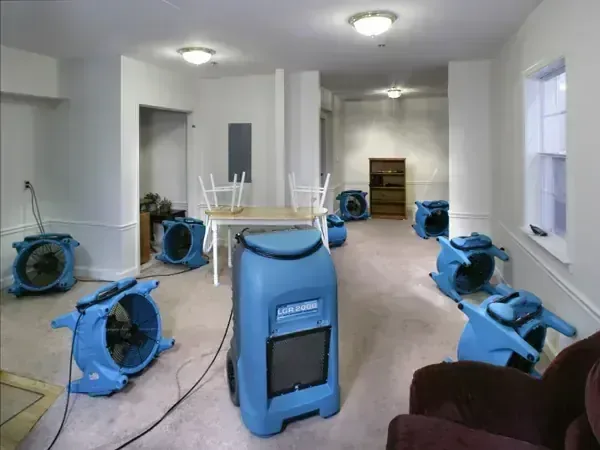 Structural Drying and DehumidificationFraming, subfloor and plaster dried until readings match a dry reference.How this gets dried out
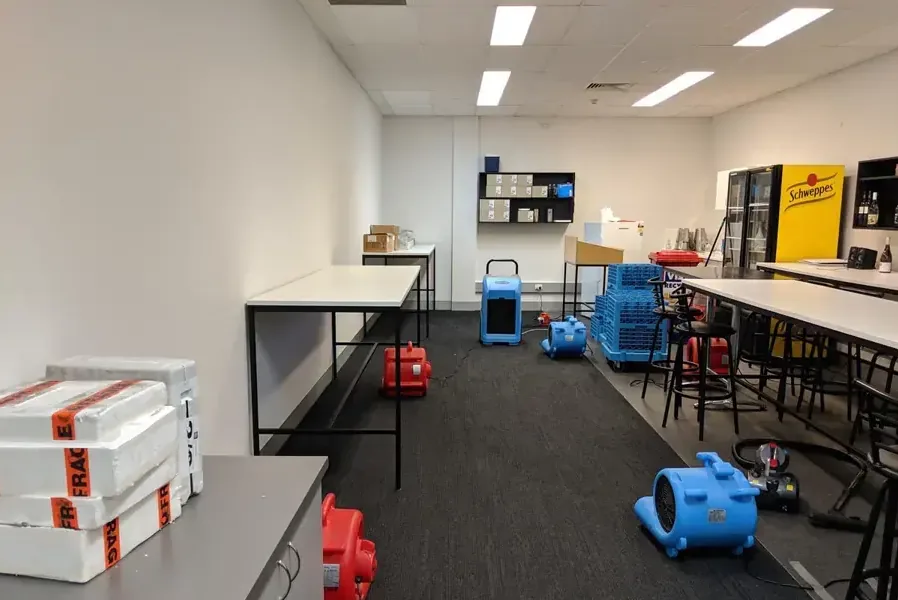 Commercial Water DamageShops, auto repair bays and offices along Route 73 dried in phases.How this gets dried out
What to do while the water is still spreading
What happens in the first few minutes decides how much can be dried in place rather than removed.
- 1Shut the water off
Close the main valve where the water pipe enters the house, or the valve under the fixture that failed.
- 2Make the power safe
Turn off breakers for wet rooms only when the panel sits somewhere dry and you can reach it from a dry floor.
- 3Avoid moving water
Floodwater from the street can hide sewage, sharp debris and live wiring, so keep children and pets away.
- 4Take photos first
Record the waterline, the source and damaged items before anything is moved or thrown away.
- 5Lift belongings, then call
Raise rugs, papers and electronics off the floor and call. Mold can begin within 24 to 48 hours.
The same four standards, house to house
Fast response at any hour
Dispatch covers the borough 24/7, because water on a floor keeps moving into walls and subfloor long after it first appears.
Drying held to IICRC S500
Structural drying of framing, subfloor and plaster, measured against a dry reference instead of judged by touch.
A claim file built as the work runs
Moisture maps, daily readings and dated photos taken before demolition go straight into the insurance record.
Knowledge of a river borough
High tides, an aging storm drain system and owner-maintained sewer laterals shape how water losses here start and spread.
Water damage dried to the IICRC S500 standard
The IICRC S500 standard treats a water loss as damage to the building itself, so the sequence of the work counts as much as the machines that do it.
- 1
Measure
Pinless meters and thermal cameras outline every wet floor and wall before equipment goes in.
- 2
Remove water
Truck-mounted extraction carries the water outside rather than spreading it to dry rooms.
- 3
Build the drying setup
Air movers matched to each room's evaporation load, LGR dehumidifiers, and desiccants for plaster and hardwood.
- 4
Check every day
Daily readings go into the log, and equipment shifts to the spots still holding water.
- 5
Sign off on readings
Work ends when materials read within 2 to 4 points of a dry reference, documented for the adjuster.
- Truck-mounted extractors discharge the water outdoors through long hoses.
- Air movers are angled low to pull moisture out of wall bases and subfloor.
- Thermal cameras and pinless meters reveal water hidden behind drywall and plaster.
- Contaminated losses get containment, HEPA air scrubbers and an EPA-registered antimicrobial.
What does water damage restoration cost in Palmyra, NJ?
In the borough, most water damage restoration falls between $1,200 and $6,500 for a contained clean-water leak, and $6,500 to $25,000 or more once street flooding or sewage reaches finished rooms.
Small clean-water leak
$1,200 to $6,500- A room or two
- Extraction and drying in place
- Several days of equipment
Several rooms or finished space
$6,500 to $15,000- Wet carpet, pad and lower drywall removed
- Walls and floors dried
- Moisture map and daily logs
Street flooding or sewage
$15,000 to $25,000+- Category 3 containment
- Porous materials removed
- Antimicrobial and full drying
Price follows the water category, the wet square footage, the material class and how quickly drying began. The water damage cost calculator gives a planning figure.
Documentation for your insurance claim
Adjusters decide a water claim from the record. The mitigation team builds that record during the drying, so it shows what was wet, what was removed and what dried.
Read your own policy first
A sudden burst pipe or a failed water heater is often covered after the deductible. Rising water from the street or the Delaware River is a flood, and the borough takes part in the National Flood Insurance Program.
In a mapped flood hazard area, the borough counts repairs reaching 50 percent of market value within 10 years as substantial improvement. Coverage depends on your policy, so check with your own insurer.
- A moisture map of every affected room from the first visit
- Daily psychrometric readings logged until the goal
- Dated photos taken before any material is cut out
- The water category and class recorded for the adjuster
- A line-item scope written in adjuster format
Every water damage category handled in the borough
Category 1, clean water
A supply pipe, a water heater or an ice-maker tube. Caught early, most of it can dry in place.
Burst pipe cleanupCategory 2, gray water
Washer drain water, a dishwasher overflow, or clean water that sat long enough to turn.
Appliance leak cleanupCategory 3, black water
Sewer backups and floodwater from the street or the river. Contained, removed and disinfected.
Sewage backup cleanupWhat a water damage dry-out looks like, room by room
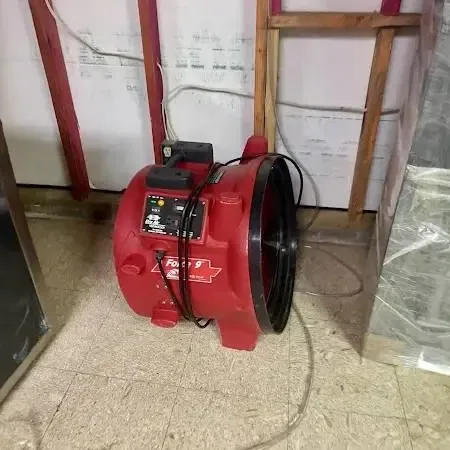
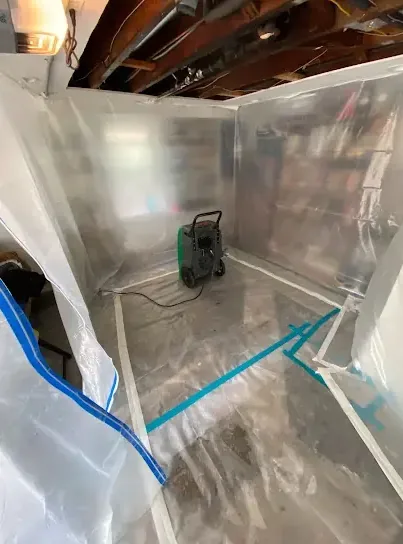
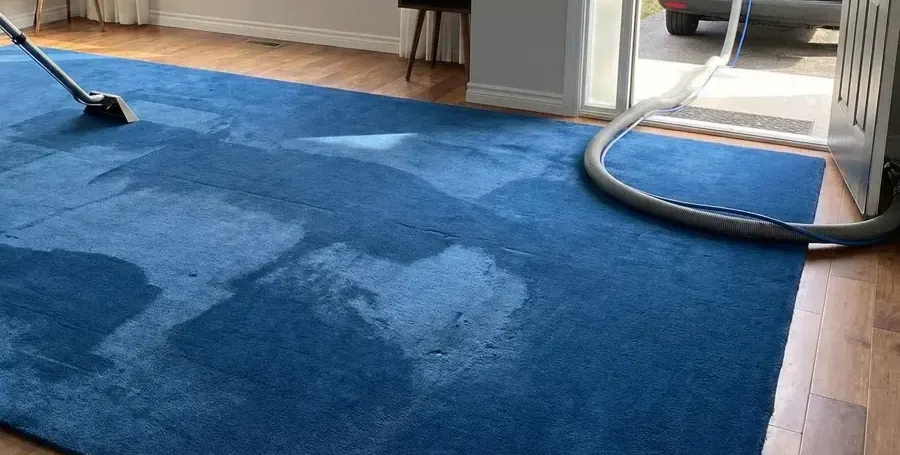
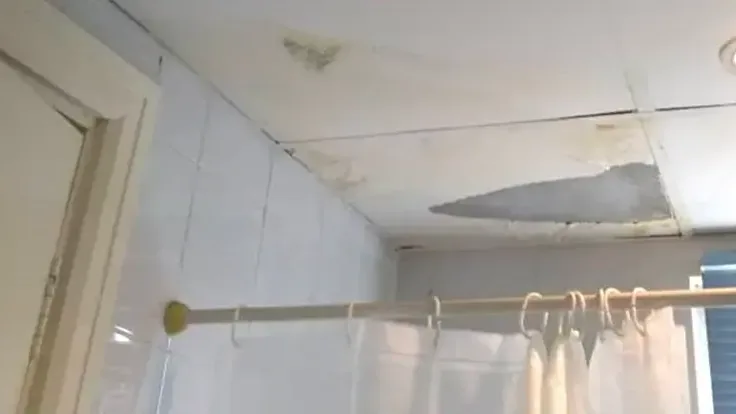
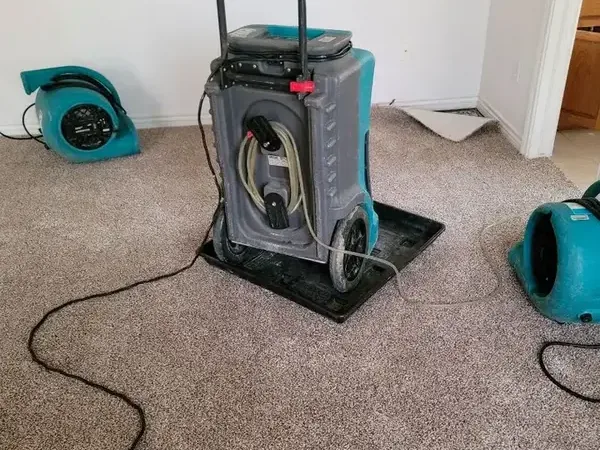
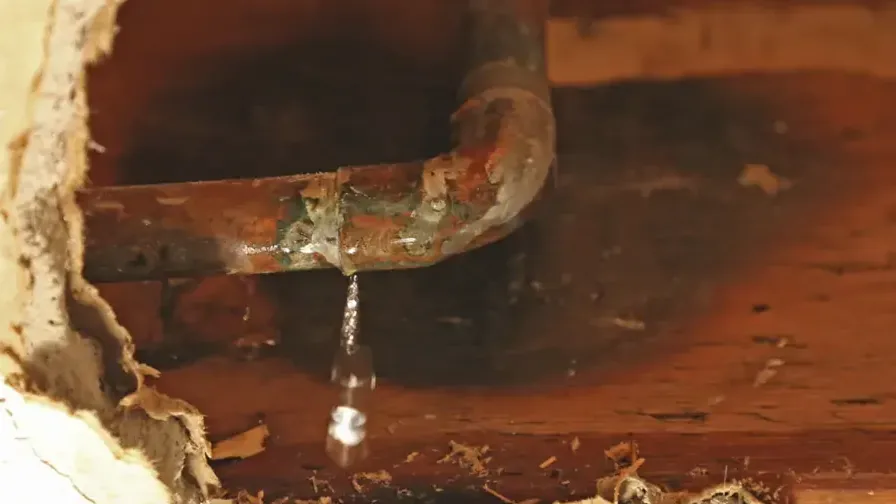
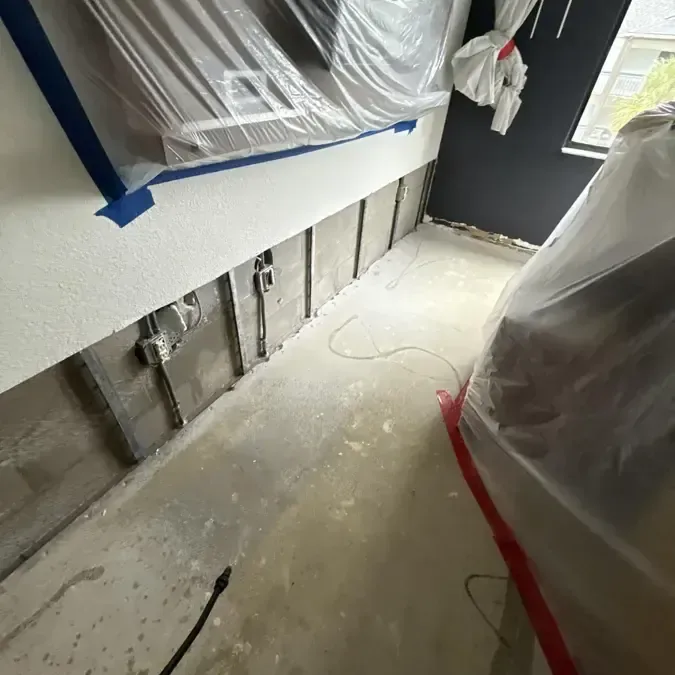
Representative photos of containment, extraction and drying equipment in use.
Streets and communities covered in Palmyra, NJ
The response team covers ZIP 08065 across the borough, from the riverfront to Route 73 and Broad Street, 24/7.
Riverfront communities
ZIP 08065
- The Riverfront at Palmyra
- Willow Shores Apartments
- Cinnaminson Avenue area
Route 73 and the borough grid
ZIP 08065
- Route 73 corridor
- Broad Street
- Temple Boulevard area
- Maryland and Oregon Avenue area
- Van Sant Drive area
One call reaches Palmyra water damage pros, 24/7
From the riverfront condominiums and Willow Shores to Temple Boulevard, Van Sant Drive and the businesses on Route 73, one call starts the response.
Give the cross street, say which floor is wet and where the water came from. That tells the crew whether to bring pumps, extra dehumidifiers or Category 3 containment.
Why Palmyra homes take on water
The borough was laid out in 1850 beside the Delaware River, and its median home dates to around 1957. River flooding, tides, an aging storm drain system and older plumbing shape the risk here.
- Older houses. With a median build year around 1957, many homes are old enough that plumbing, drains and fixtures deserve a close look after any leak.
- Flood-prone intersections. Borough emergency management lists Temple Boulevard at Garfield Avenue, Fifth Street at Route 73, Leconey Circle at Firth Lane and Spring Garden Street at Route 73.
- Drains and tides. The borough ties those spots to an aging storm drain system and high tides, and a FEMA study names the Delaware River as a flooding source.
- Sewer laterals. Owners are responsible for the sewer pipe from the house to the main in the street, while the borough maintains the main and its pump stations.
- Attached homes. About 856 attached homes plus condominium and apartment buildings mean a leak in one unit can reach the one next door.
July 12, 2021: flash flooding led to 12 water rescues across Burlington County, and the borough fire department said most roads here flooded until the water receded by 9:40 p.m.
Water damage questions from Palmyra homeowners
How quickly can a restoration crew get to the borough?
Dispatch runs 24/7, holidays included, and active water is treated as urgent at any hour. Calling early matters, because water keeps soaking into walls and subfloor while it waits.
Does homeowners insurance cover flooding from the street or the river?
Usually not. Rising surface water is a flood, covered by a separate flood policy, and the borough takes part in the National Flood Insurance Program. A burst pipe is a different claim. Coverage depends on your policy, so check with your own insurer.
Who is responsible for a sewer backup in the borough?
The borough says the homeowner owns the sewer pipe from the house to the main in the street, and the borough maintains the main. When the source is unclear, it asks residents to call its Sewer Department first so staff can check the main.
Which intersections flood most often?
The borough Office of Emergency Management lists Temple Boulevard at Garfield Avenue, Fifth Street at Route 73, Leconey Circle at Firth Lane, and Spring Garden Street at Route 73, citing the aging storm drain system and high tides.
Do flood repairs here need a permit?
For a property in a FEMA special flood hazard area, even replacing windows, doors, cabinets or roofing in kind needs a floodplain development permit from the Construction Official before work starts.
What is the 50 percent rule after a flood?
Under the borough's Flood Damage Prevention Ordinance 2025-2, repairs and improvements reaching 50 percent of a structure's market value within 10 years count as substantial improvement, and the whole structure must then meet current flood protection standards. Keep drying records and repair estimates together.
How long does a house take to dry after water damage?
A contained Class 1 or 2 loss usually dries in three to five days. Plaster, hardwood and soaked framing take longer, and equipment stays until readings reach the goal. The drying time estimator gives a rough figure.
What is the difference between mitigation and repair?
Mitigation stops the damage with extraction, removal and drying. Repair puts drywall, flooring and finishes back once readings confirm the structure is dry.
Why is floodwater treated like sewage?
Water from the street or the river carries soil, fuel and sewage, so the IICRC S500 standard treats it as Category 3. Porous materials it reached come out, and hard surfaces get an EPA-registered antimicrobial. See storm and creek flood cleanup.
What should renters do when water comes through from another unit?
Tell the landlord or the association right away and photograph the damage. The restoration team traces the source and dries each affected unit, and every owner gets separate records.
Street water or a burst pipe in the house? Call now.
Extraction, structural drying and a complete claim file, 24/7, from the riverfront to Route 73.