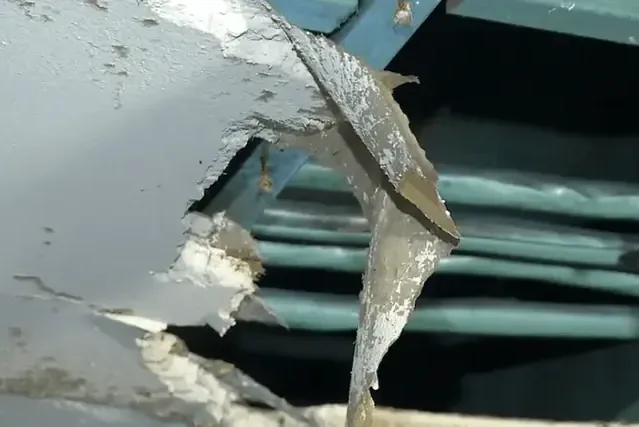
Ice does not usually flood a house; the thaw does. A pipe freezes, splits under pressure and sits quiet until warmer air lets water run through the break. Then it can pour into an exterior wall, a ceiling or a closet before anyone sees it.
Where heat can fail
Most occupied homes in the borough heat with utility gas, and the rest use electricity or fuel oil. Any of those can stop during a power outage, an empty tank or a failed burner, and a cold house can freeze the pipes inside its outside walls.
Spots that freeze first
- Pipes in exterior walls with thin insulation
- Plumbing in garages, porches and other unheated corners
- Hose bibs and the short pipes that feed them
- Sink supplies on outside walls, especially in kitchens
Cleanup and the claim
After a thaw, the first jobs are the main shutoff and extraction. The crew then traces the water back to the split, opens the wall or ceiling where the pipe failed and dries the cavity and everything it fed. Insurers often ask for dated photos and the failed section of pipe. Related breaks are covered under burst pipe water damage.
A quick pass with the frozen pipe risk check shows which parts of a house deserve insulation or extra heat before the next cold stretch.