Water Damage Restoration Barrington, NJ
After a burst pipe, a failed sump pump or a storm that fills a low street, the drying team removes standing water and dries walls and floors to documented moisture readings in Barrington.
(888) 471-9821Ask about your wet Camden County home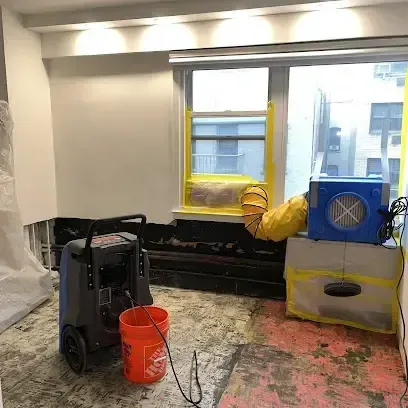
What a dry-out covers
- Storm flood cleanup
- Sewage backup cleanup
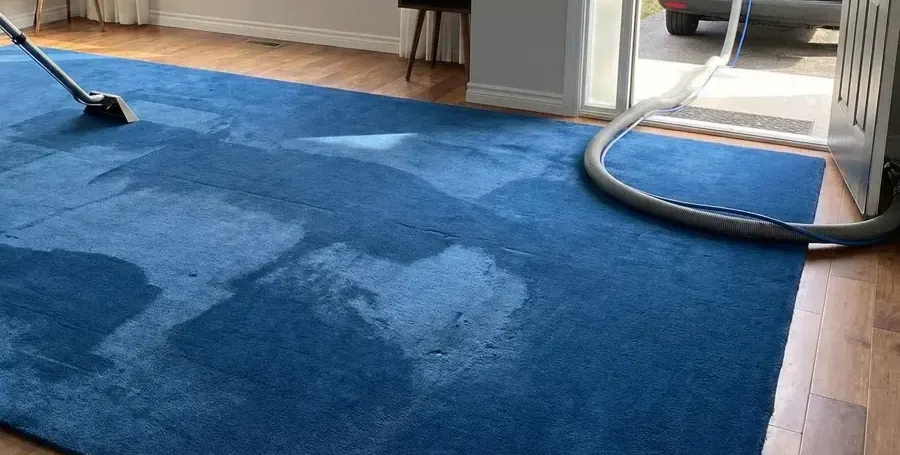
- Truck-mounted extraction
- Moisture readings each visit
What the crews handle in Barrington
Every kind of water loss a home or building here can face, from a leaking water heater to storm water in a garage.
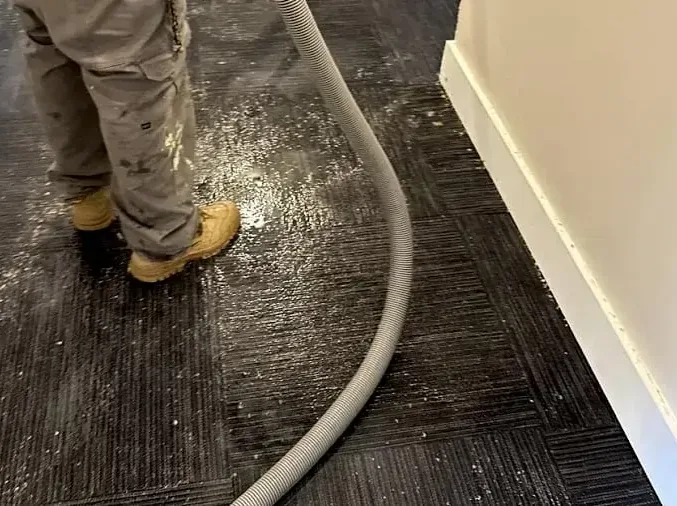 Emergency Water ExtractionExtraction wands and pumps pull standing water out of carpet, hard floors and low rooms.See the full service
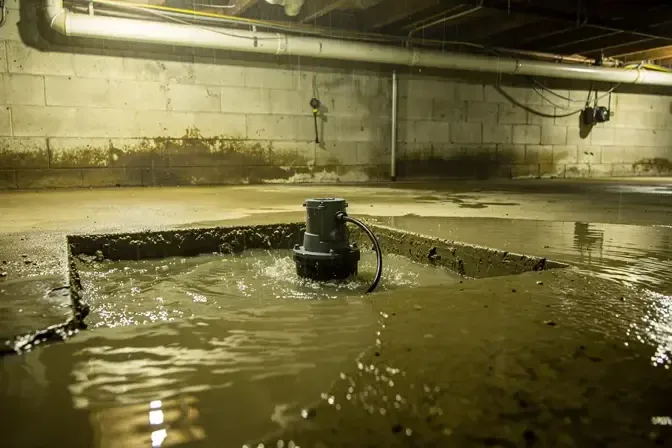 Basement Flooding CleanupLower levels get pumped out, the slab and wall bases dried, and soaked finishes taken out.See the full service
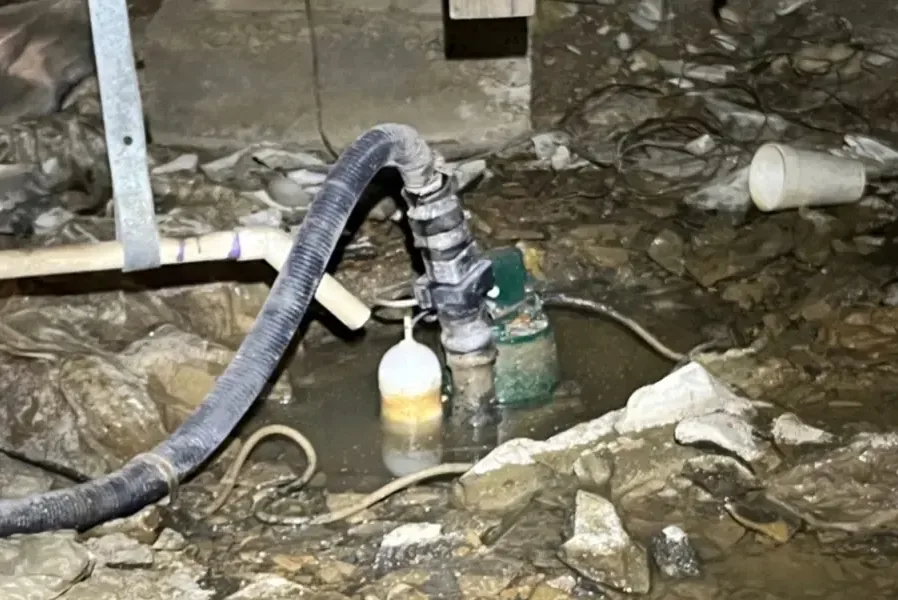 Sump Pump Failure Water DamageWhen a pit overflows or a pump quits, the water is extracted and the floor dried.See the full service
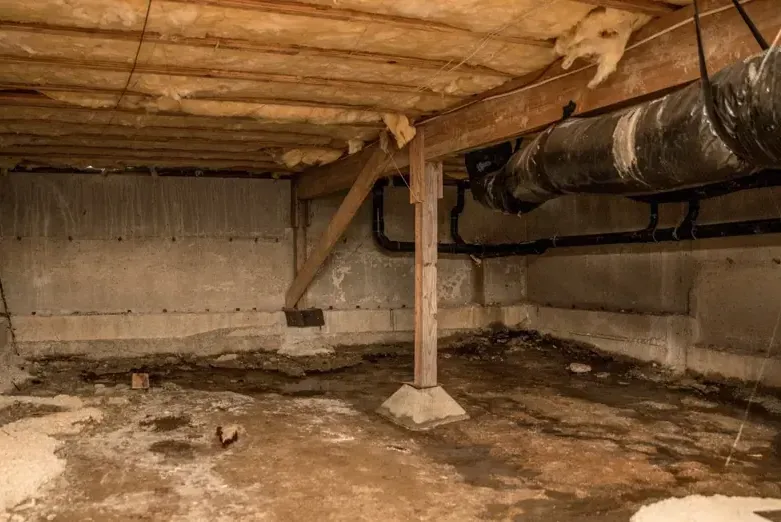 Crawl Space Water RemovalWater under a house is pumped out, wet barriers and insulation removed, and joists dried.See the full service
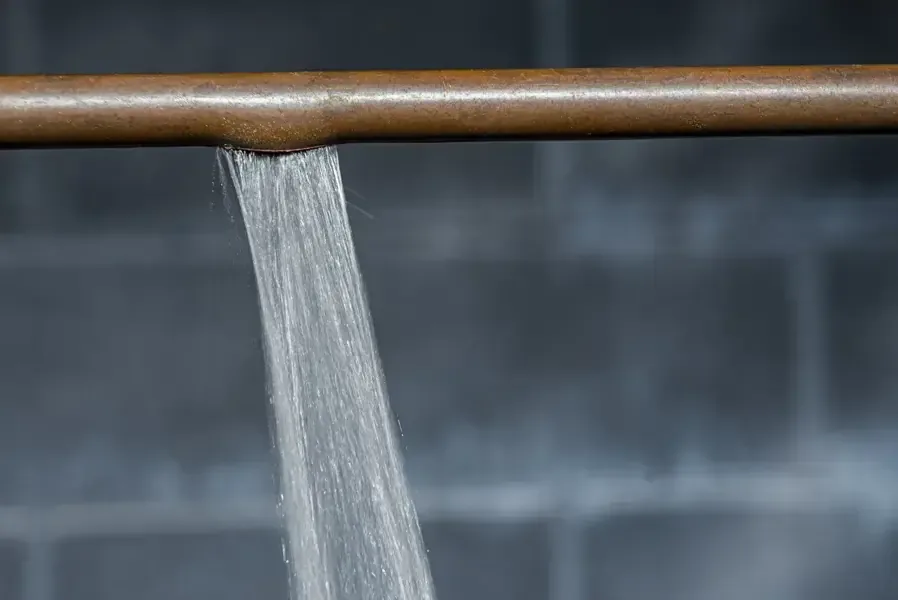 Burst Pipe Water DamageA split supply pipe soaks walls and ceilings fast, so cavities are opened and dried.See the full service
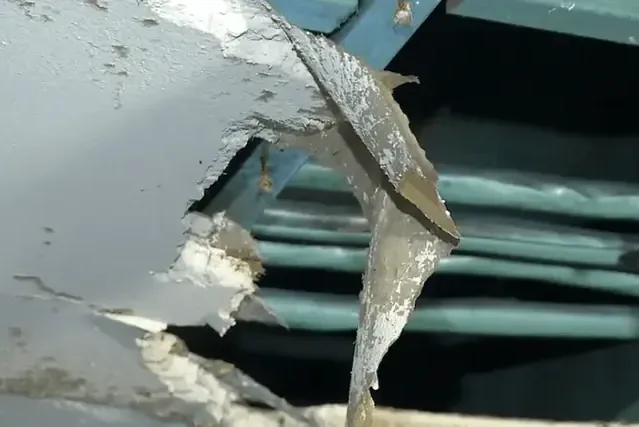 Frozen Pipe Water DamageA pipe split by a hard freeze floods when it thaws, and the wet framing gets dried.See the full service
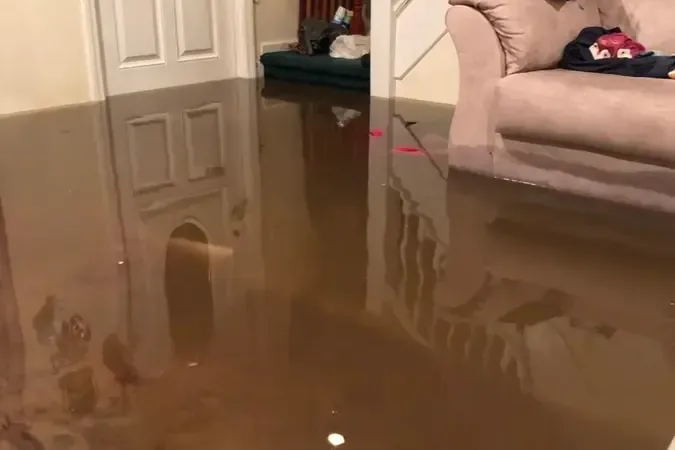 Storm and Creek Flood CleanupStorm water and street flooding that reaches a home gets cleared, cleaned and disinfected.See the full service
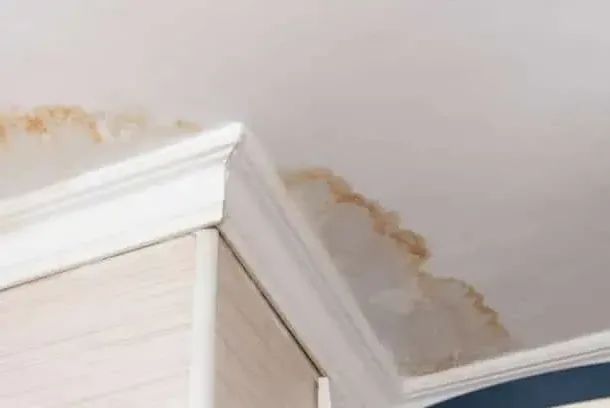 Roof Leak Water DamageRoof and gutter leaks that stain ceilings and wet insulation are dried before they spread.See the full service
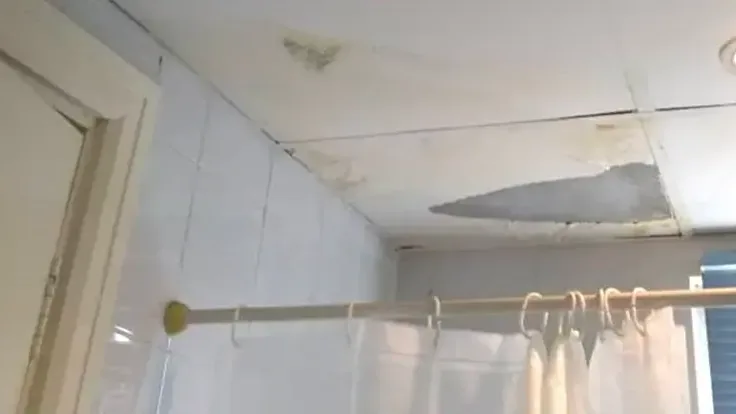
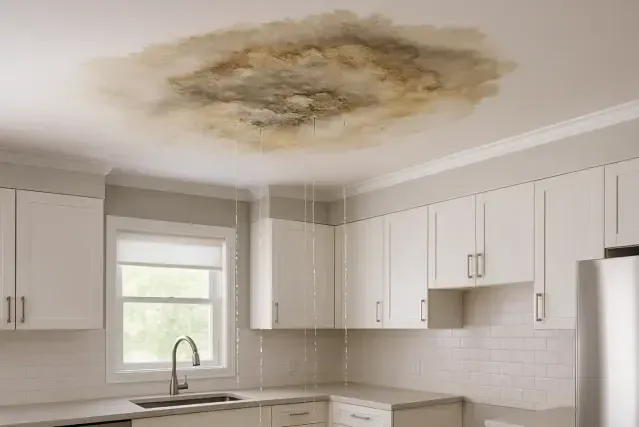 Ceiling Leak Water DamageA stained or sagging ceiling is traced to its source, opened if needed and dried.See the full service
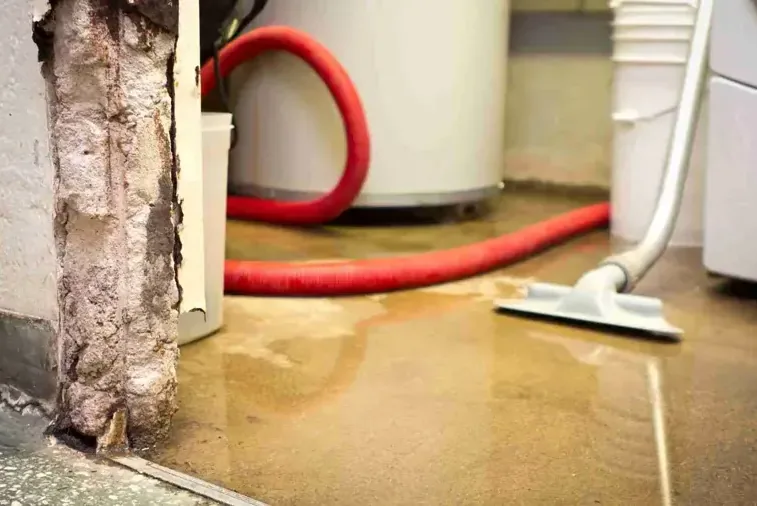 Water Heater Leak CleanupA failed tank can empty onto a floor fast, and the wet flooring and walls get dried.See the full service
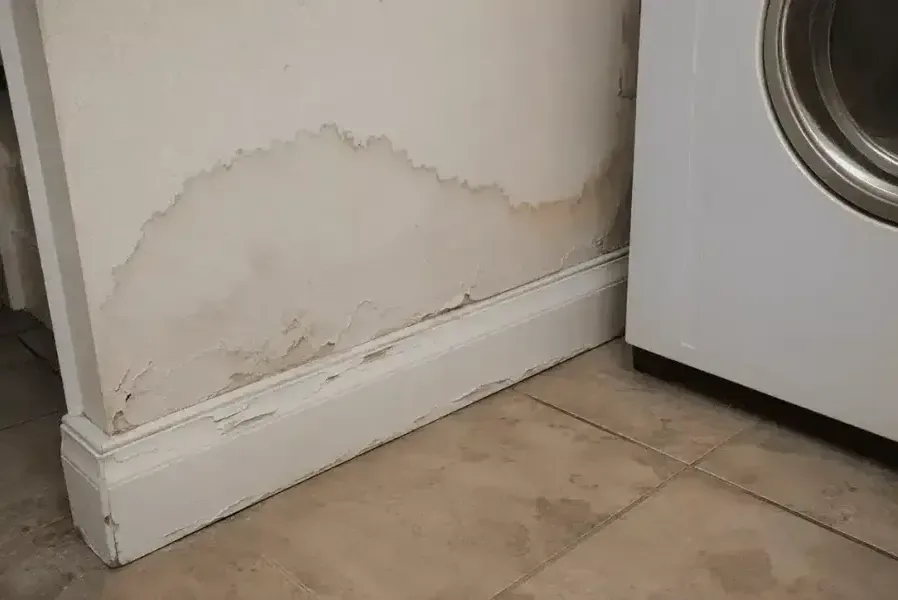 Appliance Leak Water DamageWasher, dishwasher and refrigerator leaks are dried out from the floor, toe kicks and cabinets.See the full service
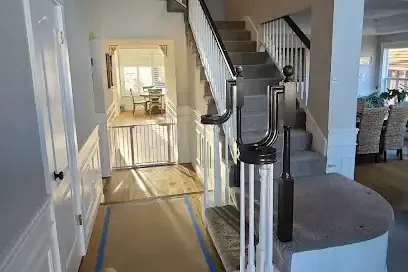 Townhome and Condo Water DamageWater that moves between attached units is dried in each home with separate records.See the full service
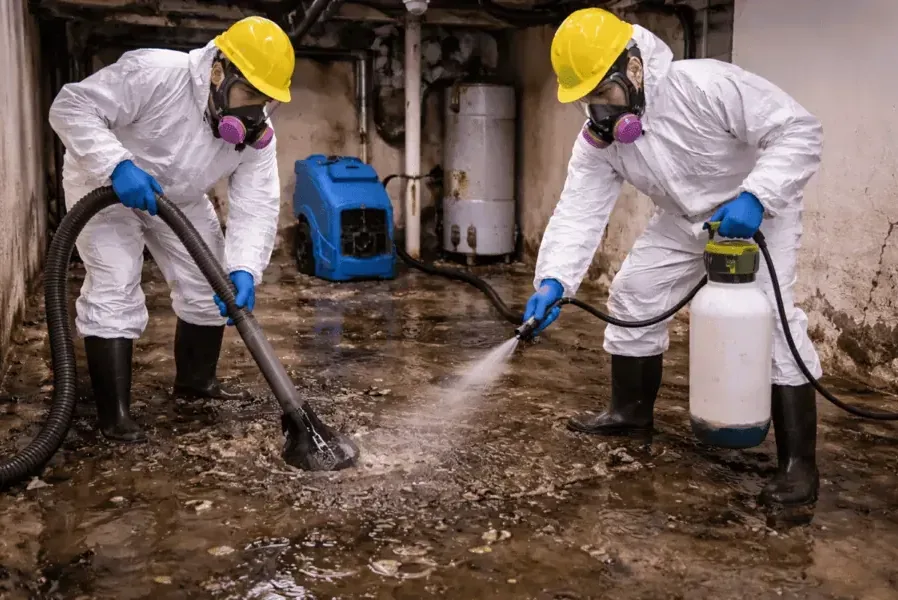 Sewage Backup CleanupContaminated backups are contained, removed and disinfected, with porous materials taken out.See the full service
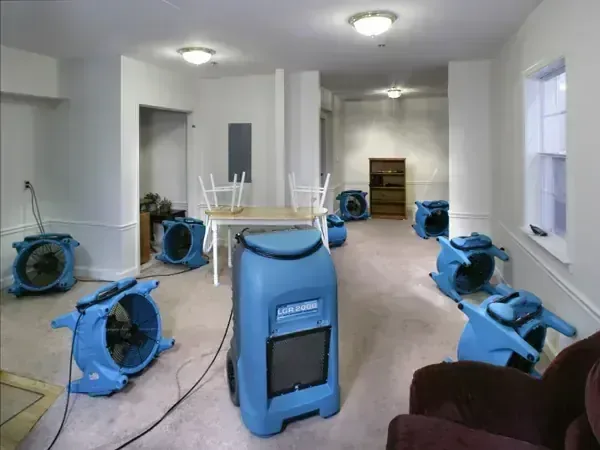 Structural Drying and DehumidificationAir movers and dehumidifiers dry framing, subfloors and walls until the readings say dry.See the full service
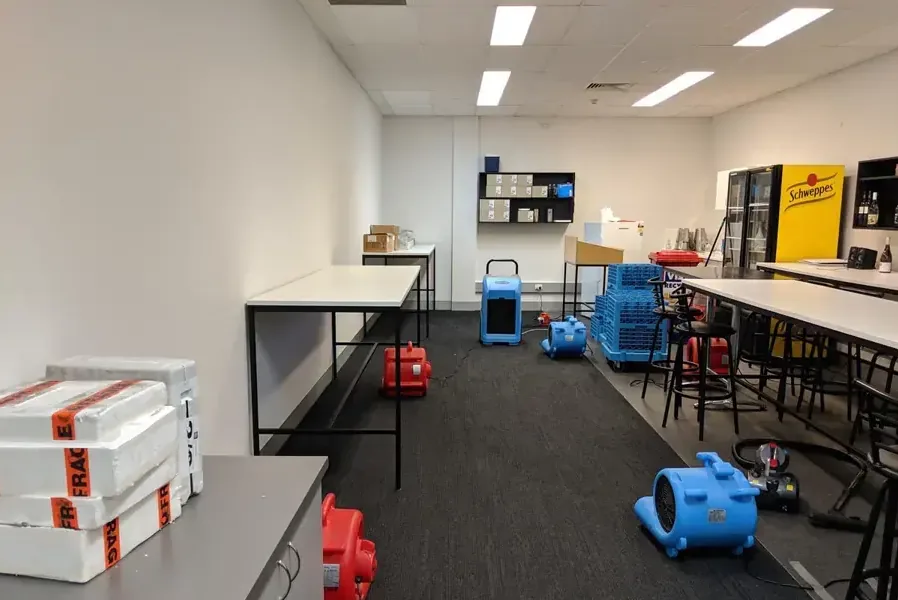 Commercial Water DamageShops, offices and warehouse spaces get phased drying that keeps the business running where possible.See the full service
What to do right after water shows up
A few quick actions limit the damage before the restoration team arrives and the drying plan is set.
- 1Stop the source
Shut the main water valve or the appliance supply, and switch off power to wet areas if it is safe.
- 2Keep people clear
Stay out of rooms with sagging ceilings, standing water near outlets, or anything that smells like sewage.
- 3Lift what you can
Move small furniture, rugs and electronics to dry ground, and leave heavy pieces where they stand.
- 4Photograph everything
Take wide shots and close ups of the damage and the waterline before anything is moved or thrown out.
- 5Call for extraction
The sooner the water is pumped out, the less it soaks into subfloors, framing and drywall.
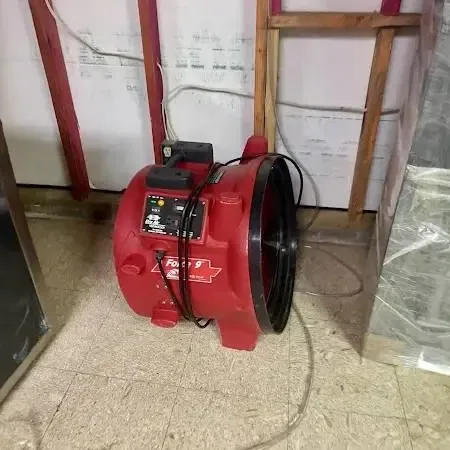
Drying built on readings, not guesses
Water and sewage only
Every job is a water or sewage loss, so the gear, methods and paperwork are built for exactly that.
Daily moisture readings
Readings on walls, floors and framing show what is wet, what is drying and when the equipment can come out.
A written drying record
Photos and daily logs are kept so an insurer can see the starting damage and the dry finish.
Clear scope before work starts
Each home gets a plain walk-through of what comes out, what stays and what the dry-out will cost.
A set routine from first reading to final log
The IICRC S500 standard guides how wet materials are measured, cleaned and dried, and every step is logged so the finish line is a number, not an opinion.
- 1
Measure first
Moisture meters and a thermal camera map where the water traveled before anything is moved.
- 2
Remove the water
Pumps and extraction wands clear the standing water, then wet padding and soaked trim come out.
- 3
Open and clean
Wet drywall and insulation are cut back, and surfaces are cleaned or disinfected as needed.
- 4
Dry with equipment
Air movers and dehumidifiers are set to the room size and the type of materials.
- 5
Confirm and document
Final readings are taken, the equipment is removed and the drying log is handed over.
- Truck-mounted and portable pumps for standing water on any floor
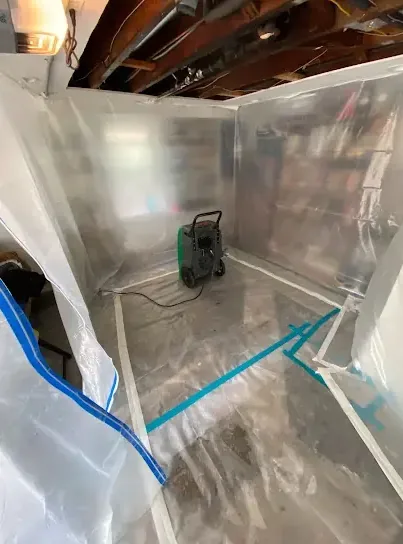
- LGR dehumidifiers that pull moisture out of the air in sealed rooms
- Air movers placed by room size and material, then adjusted each day
- Moisture meters and thermal cameras for readings behind finished walls
What water damage restoration usually costs here
Most jobs land between $1,200 and $25,000 or more, depending on how many rooms are wet, how long the water sat and whether it was clean water, gray water or sewage.
Small clean-water leak
$1,200 to $6,500- Extraction of surface water
- Fans and dehumidifier drying
- Readings until fully dry
Several wet rooms, one level
$6,500 to $15,000- Flooring and pad removed
- Drywall cut above the waterline
- Extended equipment run time
Sewage or a whole level
$15,000 to $25,000+- Category 3 containment
- Porous materials removed
- Antimicrobial and extended drying
Readings taken during the walk-through set the final scope, and the water damage cost calculator turns your room count, water type and flooring into a range.
Working with your insurer
Sudden water loss is often covered by homeowners and renters policies, while slow leaks and rising outside water may be treated differently, so the cause and the records matter.
Documenting a claim yourself
Photograph the damage, the waterline and any damaged belongings before cleanup begins, and keep receipts for anything bought or repaired. Written moisture readings and daily drying logs back up the timeline.
Report the loss to the insurer early, and ask whether an adjuster wants to see the damage before wet materials come out. The restoration team keeps the photos and logs ready to share.
- Date and time the water was first found
- Wide and close up photos before anything is moved
- A list of damaged belongings with rough values
- Receipts for emergency repairs and supplies
- Daily moisture readings and equipment logs from the crew
Water damage problems that call for fast action
Pipe breaks indoors
A split supply pipe inside a wall or above a ceiling can soak several rooms before anyone notices the drip.
Burst pipe cleanupLaundry and kitchen leaks
Washers and dishwashers can leak behind cabinets or down through the floor into the home below.
Appliance leak cleanupDrains that back up
When a sewer pipe blocks, wastewater can rise through low floor drains and fixtures into living space.
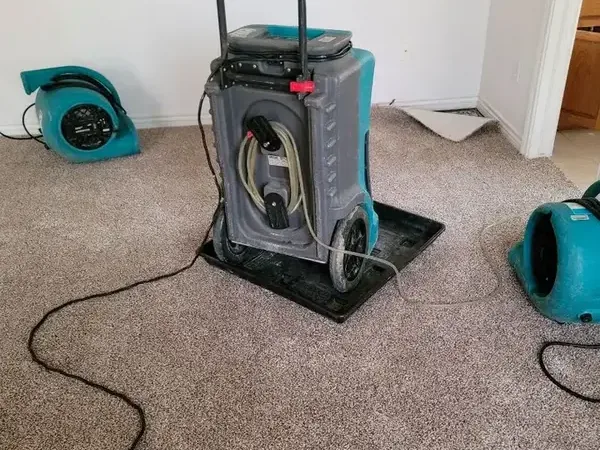
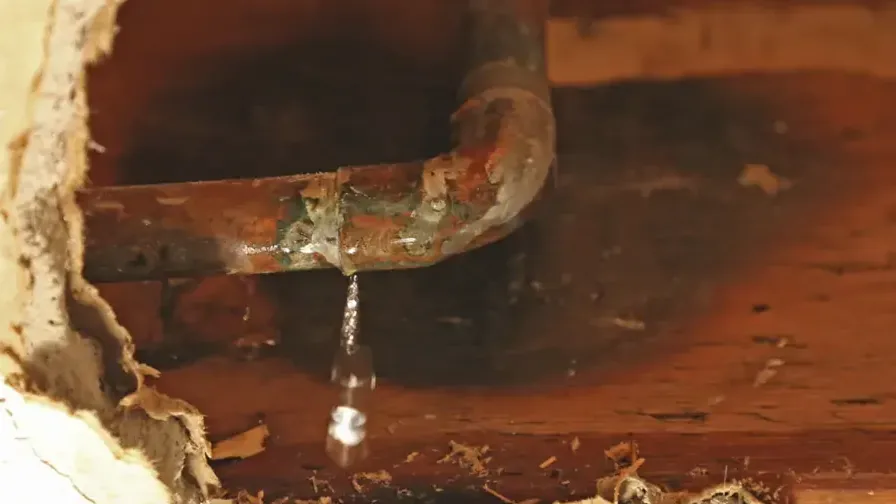
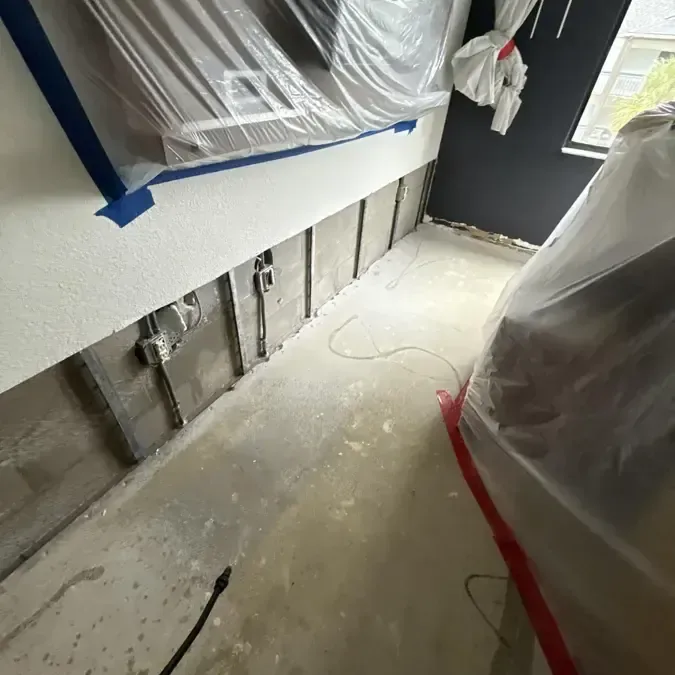
Sewage backup cleanupWhat a dry-out looks like while it runs
Equipment, containment and extraction at different stages of a job.
Where the crews work in Barrington
Service covers the borough from the Clements Bridge Road corridor to the neighborhoods along Third Avenue and Tavistock Boulevard.
Clements Bridge Road side
ZIP 08007
- Clements Bridge Road tract
- Farmhurst
- Shreve Avenue area
Tavistock and Third Avenue areas
ZIP 08007
- Tavistock Boulevard and Nassau Drive area
- Erie Avenue area
- Timber Drive area
Water in the house? Reach the drying team now
Water damage restoration is available for homes, apartments and commercial spaces across the borough, and the crew works with insurers on documentation.
Send a message with photos of the damage and the crew can plan equipment before arriving, or use the call button to talk through a wet floor, ceiling or backup.
What floods and soaks Barrington homes
The borough drains toward Beaver Brook, Interstate 295 and the New Jersey Turnpike, and a 2022 stormwater study by Pennoni lists recurring flood areas on streets across the borough.
- Mid century homes. The median home was built in 1960, with 1,080 homes from the 1950s and 788 from the 1960s, so a plumber's check makes sense after any pipe break.
- Flood-prone streets. The 2022 study lists recurring flood areas such as Third Avenue, Tavistock Boulevard, Erie Avenue and East Williams Avenue at Clements Bridge Road.
- Highway ditch backups. Borough staff say Third Avenue floods because the low Interstate 295 ditch backs the drain system up toward Trenton Avenue.
- Sewer laterals. Owners are responsible for the sewer lateral from the house to the main, and the borough recommends a check valve for below grade fixtures.
- Apartment buildings. The Census counts 683 homes in buildings of 50 or more units, so a leak in one apartment can reach the units around it.
June 19 and 20, 2019: The National Weather Service says a flash flood inundated several homes and businesses in the Bellmawr, Barrington and Brooklawn areas and closed Interstate 295 for a long stretch.
Water damage questions from local property owners
What should I do first when water gets into the house?
Shut off the water source if it is safe, stay clear of electrical hazards, and move small valuables to dry ground. Then photograph the damage and call the drying team before cleanup starts.
Which streets here flood in heavy storms?
The 2022 stormwater study lists recurring flood areas on East Williams Avenue at Clements Bridge Road, Third Avenue, Austin Avenue at Interstate 295, Tavistock Boulevard, Avon Road, Princeton Road, Erie Avenue, Page Avenue, Chesterfield Road and Nassau Drive.
Is the borough responsible for a sewer backup in my home?
The borough says the sewer utility is not responsible for main blockages that damage below grade plumbing fixtures in a property, and owners are responsible for the lateral from the house to the main.
What is a check valve and should I have one?
A check valve on the sewer pipe lets wastewater leave but stops it from flowing back. The borough recommends one for properties with below grade fixtures such as washers, toilets and deep sinks.
Does the borough inspect sump pumps?
The borough's resale Certificate of Inspection includes a sump pump inspection by the Superintendent of Public Works. If a pump stops or a pit overflows, the drying team extracts the water and dries the floor and walls.
How long does drying usually take?
Most dry-outs run several days, and the readings decide the end date. Thick framing, hardwood and wet insulation take longer than carpet, and the crew checks the meters each visit until materials reach the dry goal.
Can water travel between apartments or townhomes?
Yes. About 1,557 homes here sit in buildings of two or more units, so water from one unit can reach the walls and ceilings around it. Each unit is dried and documented separately.
Does insurance usually cover storm flooding?
Coverage depends on the policy and the cause. Flooding from outside water is often handled differently than a burst pipe, so ask the insurer before work begins and keep the drying records.
Did the June 19 and 20 flash flood affect the borough?
The National Weather Service says that flash flood inundated several homes and businesses in the Bellmawr, Barrington and Brooklawn areas. A borough notice afterward asked residents to report storm damage because FEMA planned to visit Camden County.
Are shops and offices handled too?
Yes. Commercial districts run along Clements Bridge Road and the White Horse Pike, and manufacturing districts sit in the southwestern and southeastern parts of the borough. Commercial water loss gets phased drying so the space can keep working.
Stop the damage before it spreads further through the house
Standing water keeps soaking into floors and framing, so starting the equipment early keeps the repair smaller.