Water Damage Restoration Audubon, NJ
When water reaches a floor, wall or ceiling in Audubon, the first job is pulling it out and mapping where it spread, then drying the structure until every reading matches a dry reference.
(888) 471-9821Reach the crew for wet floors and walls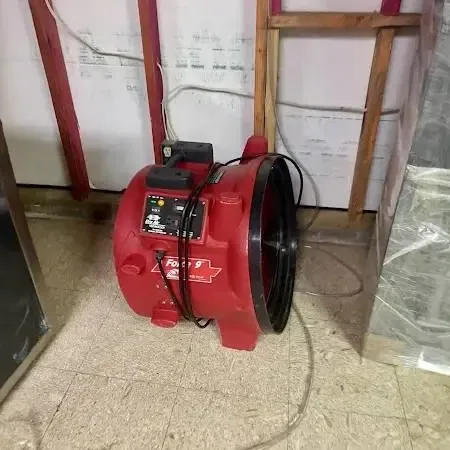
What each borough dry-out includes
- Floods, leaks and backups
- Homes, condos and storefronts
- Truck-mounted water removal
- Daily moisture readings
Water damage help for every kind of loss
Each service below fits a different kind of loss, from a pinhole supply leak to a flooded lower level or a backed up drain.
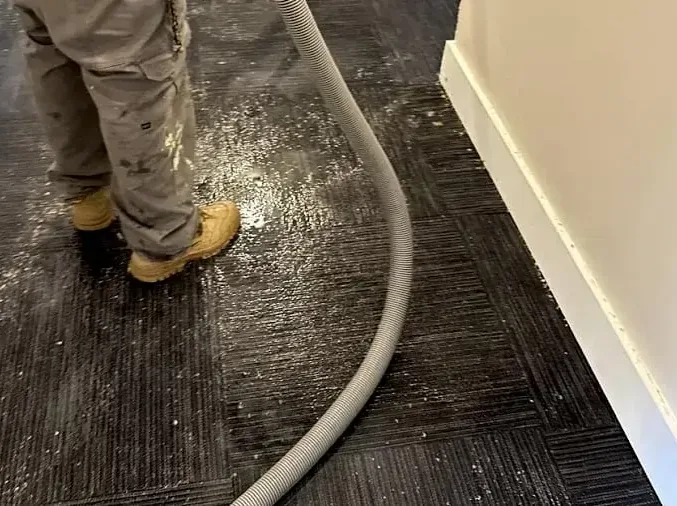 Emergency Water ExtractionPumps and extraction wands pull standing water out of carpet, pad and hard floors.See how it works
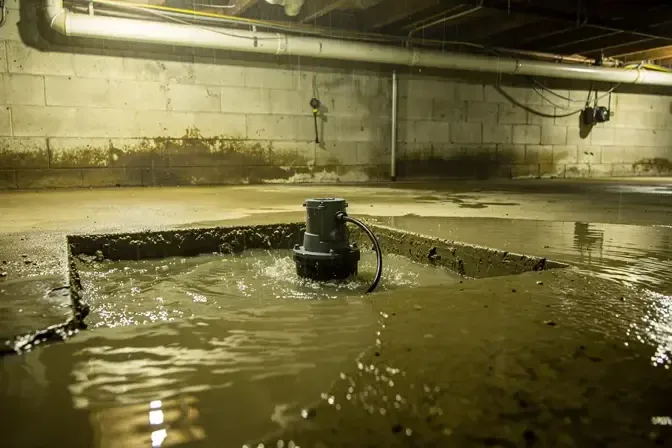 Basement Flooding CleanupA flooded lower level is pumped out, wet finishes are cut back and walls dried.See how it works
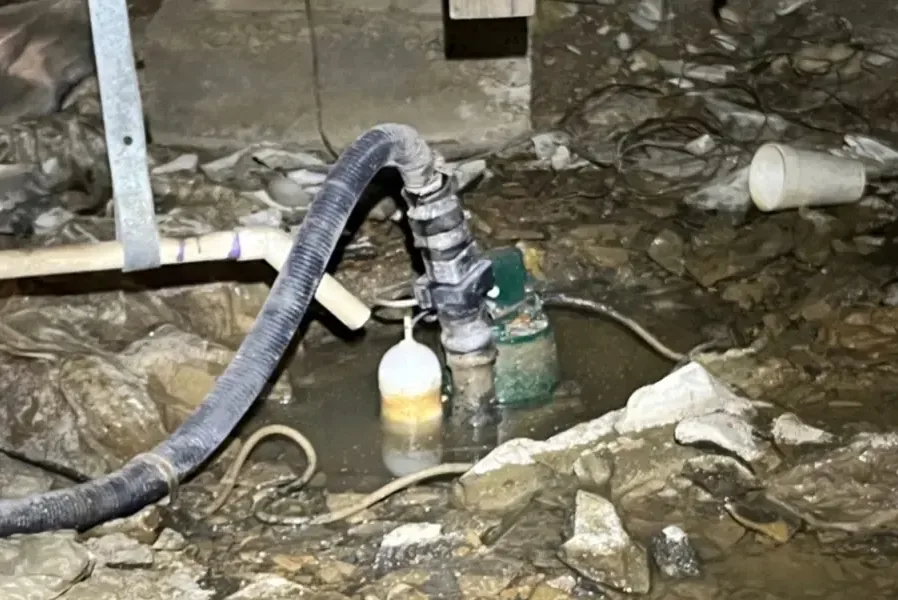 Sump Pump Failure Water DamageA pit that overflows in heavy rain is extracted before water climbs the walls.See how it works
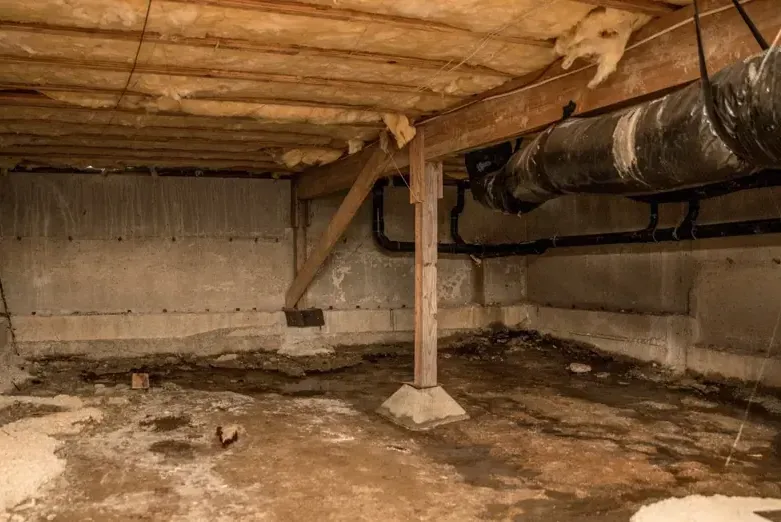 Crawl Space Water RemovalStanding water under a floor is pumped off, wet insulation pulled and joists dried.See how it works
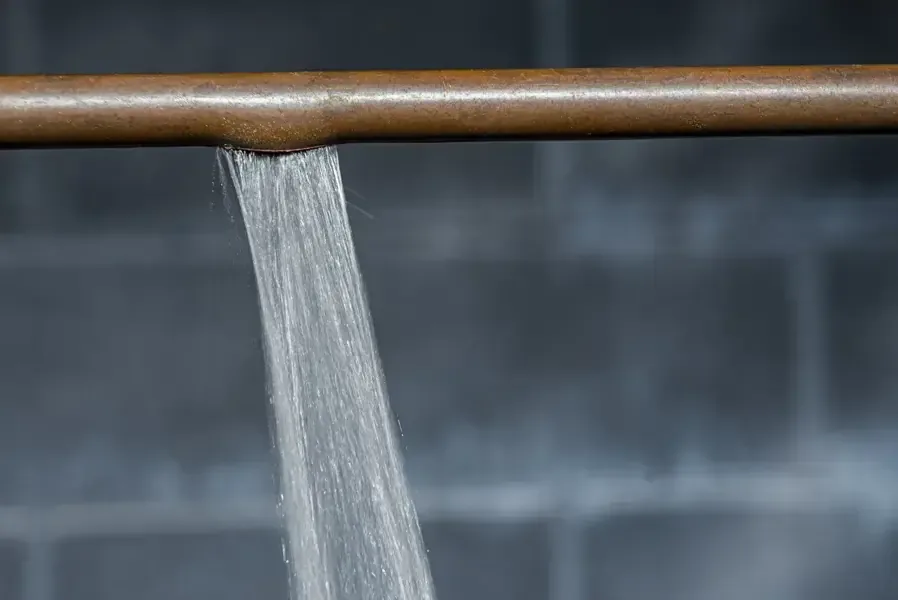 Burst Pipe Water DamageA split supply pipe is shut off, the water extracted and every wet wall cavity dried.See how it works
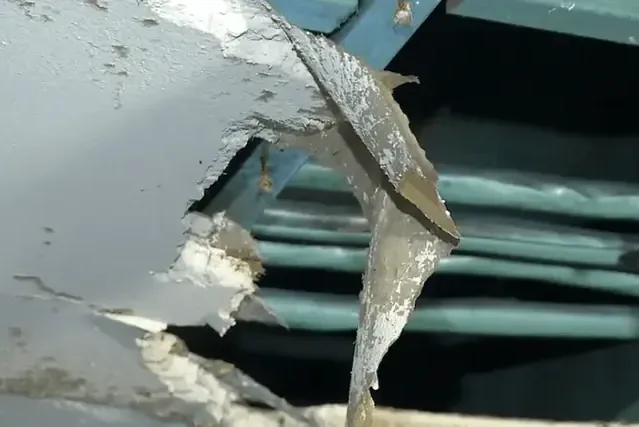 Frozen Pipe Water DamageFreeze-split pipes flood rooms at the thaw, so wet walls are opened and dried.See how it works
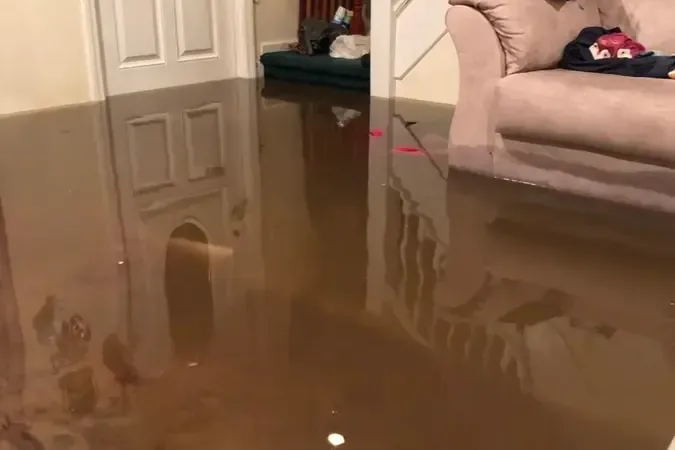 Storm and Creek Flood CleanupFloodwater from a storm counts as contaminated, so removal comes before drying.See how it works
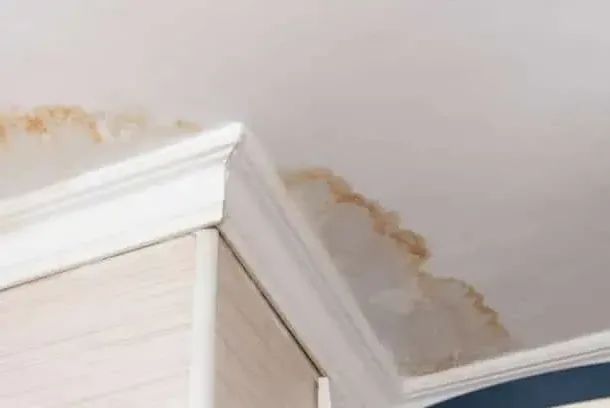 Roof Leak Water DamageWind-driven rain through shingles or flashing means wet attic insulation is pulled and ceilings dried.See how it works
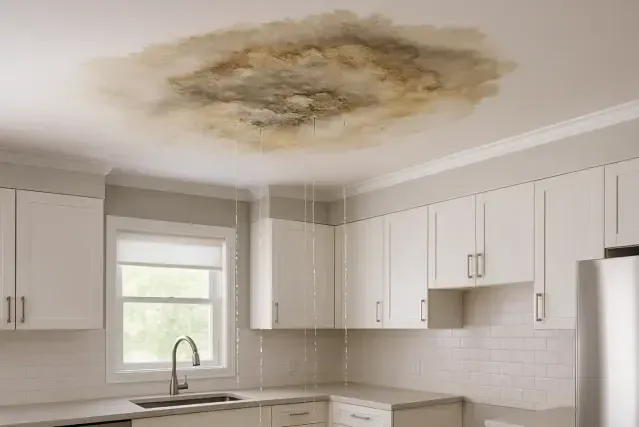 Ceiling Leak Water DamageA ceiling stain is traced to its source, then opened and dried behind the drywall.See how it works
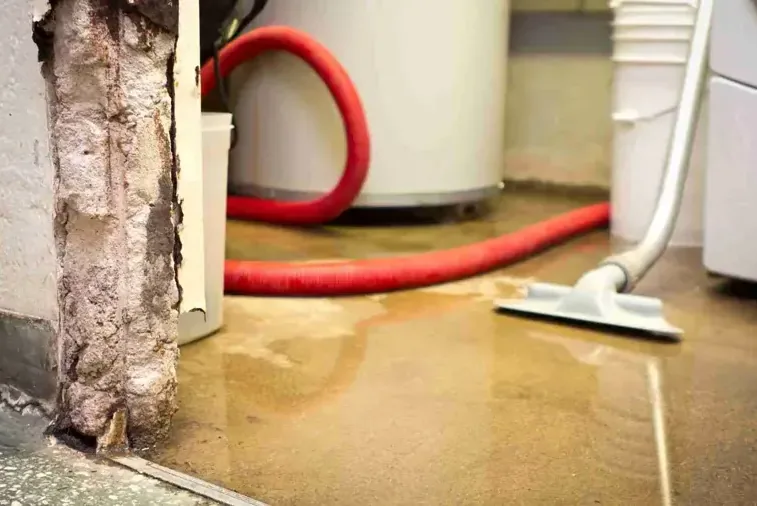 Water Heater Leak CleanupA failed tank or fitting is extracted and the closet, garage or utility space dried.See how it works
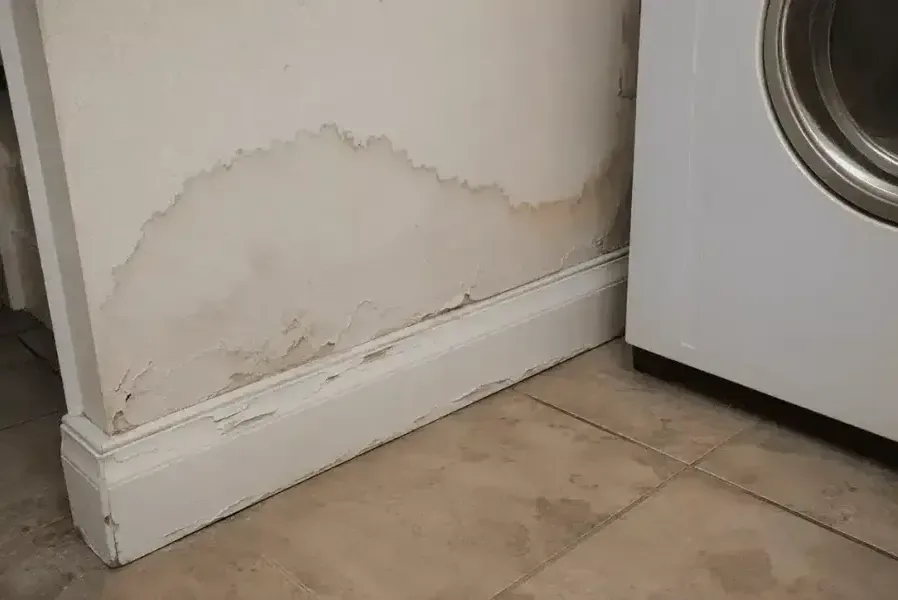 Appliance Leak Water DamageWasher hoses, dishwashers and ice-maker tubes leak under floors and cabinets until dried out.See how it works
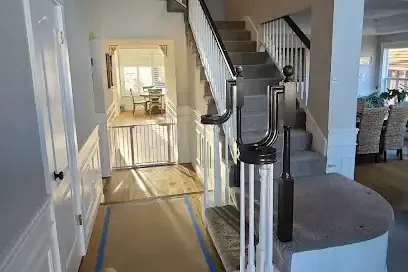 Townhome and Condo Water DamageA leak that crosses a shared wall or ceiling is traced unit by unit and dried.See how it works
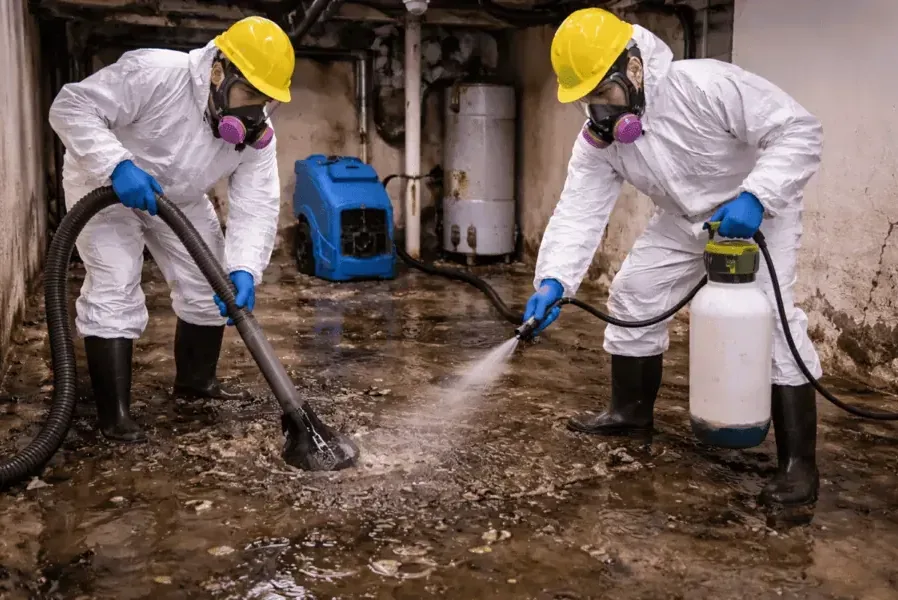 Sewage Backup CleanupBacked-up drains are handled as Category 3 water: contained, removed, treated and dried.See how it works
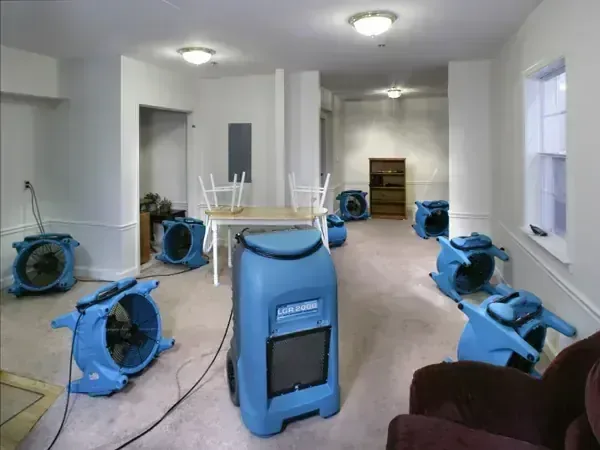 Structural Drying and DehumidificationDehumidifiers, air movers and moisture readings dry wet framing, floors and walls to dry standards.See how it works
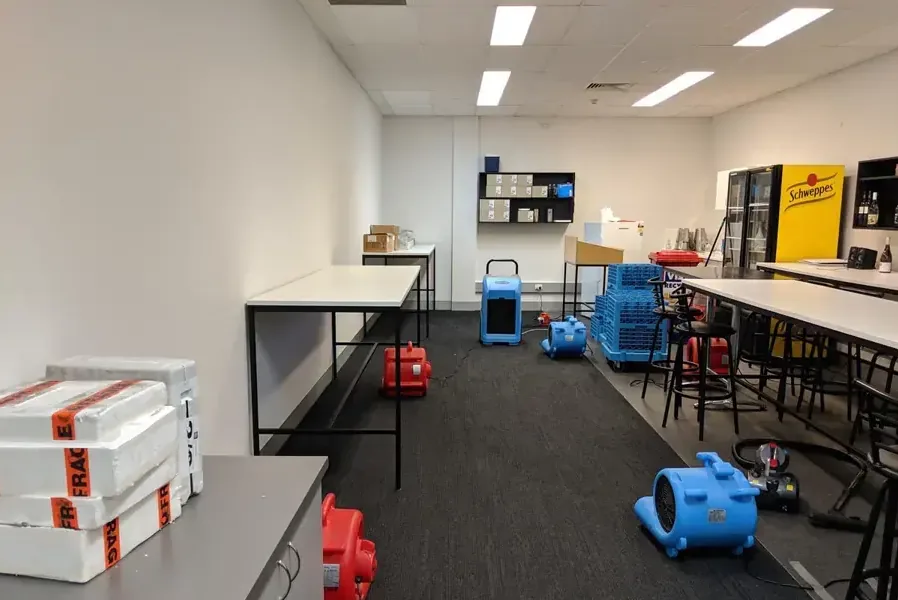 Commercial Water DamageStorefronts and offices are dried in phases around the workday, keeping the business open.See how it works
Smart moves while the water is still spreading
Small steps taken early keep a wet room from turning into a wet house and help the later claim.
- 1Stop the water
Close the main valve or the supply to the leaking fixture, then switch off power to wet rooms from a dry spot.
- 2Lift what you can
Move rugs, small furniture and electronics to dry ground, and prop up couch legs on foil or blocks so stains do not climb.
- 3Avoid moving water
Do not wade through deep water or use a household vacuum on it, since contamination and shock are real risks.
- 4Take photos first
Photograph the source, the waterline and damaged belongings before anything is moved, since adjusters rely on that record.
- 5Call before cleanup
Reach a restoration crew before scrubbing or discarding anything, because wet drywall and pad need to be measured, not guessed.
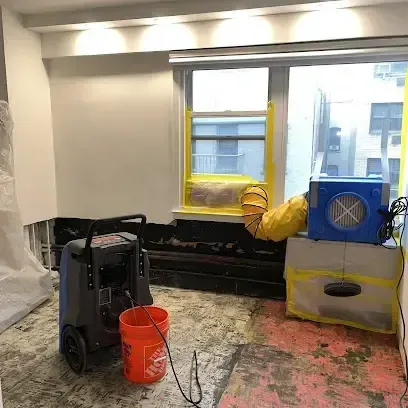
Drying decided by readings, not guesses
Meters over guesses
Moisture meters and thermal imaging show where water traveled, so wet drywall, framing and subfloor are found before they are hidden.
Equipment that matches the job
Truck-mounted units, LGR dehumidifiers and desiccant units are chosen by the class of water and the materials involved.
Records an adjuster can read
Daily logs, photos and drying data are kept as the work goes, which gives an insurance claim clear numbers to follow.
Both homes and businesses
Single-family houses, attached homes, apartments and storefronts all get a scoped plan sized to the damage, not a flat package.
How a dry-out runs, step by step
Drying follows the IICRC S500 standard, which sets the order of work: find the water, remove it, dry what is left, and prove the result with readings.
- 1
Measure
Moisture meters and a thermal camera map the wet area and set a starting reading for each material.
- 2
Remove water
Pumps and extraction wands take out standing water, then wet pad and soaked porous material come out.
- 3
Open and cut back
Baseboards come off and drywall is cut above the wet mark so air can reach the cavity.
- 4
Check every day
Readings are retaken each visit and equipment is moved or removed as materials reach their dry targets.
- 5
Sign off dry
The final readings are written up against a dry reference material and the equipment is pulled.
- Truck-mounted extraction units for deep or widespread water
- LGR and desiccant dehumidifiers that pull moisture from framing, plaster and block in humid summer air
- Air movers placed to push dry air across floors and low walls
- HEPA air scrubbers and moisture meters for sewage jobs and daily checks
What water damage cleanup tends to cost
Prices run from about $1,200 for a small clean-water leak to $25,000 or more for sewage or a whole flooded level, driven by the water category, the area wet and the drying days.
Contained clean-water leak
$1,200 to $6,500- Extraction and wet pad lifted
- Moisture mapping of walls
- Air movers and dehumidifier set
Several rooms or two floors
$6,500 to $15,000- Flooring or pad removed
- Cavity and subfloor drying
- Daily moisture readings
Whole level or Category 3
$15,000 to $25,000+- Containment and strip-out
- Porous finishes removed
- Extended drying run
Treat these as ranges from typical jobs, not a quote. A written scope after the first moisture readings sets the real price, and the water damage cost calculator gives a quick estimate.
How claims and cleanup fit together
Policies differ on what counts as sudden water damage, so records matter, and the crew keeps photos, moisture readings and itemized invoices that an adjuster can check step by step.
Questions to ask your insurer
Ask whether the loss is sudden or gradual, whether sewage and groundwater are covered, and what the deductible is before work starts. Many standard policies treat those cases differently.
Rising surface water is usually covered by a separate flood policy, so a storm loss can follow a different claim path than a burst pipe. The adjuster decides coverage, not the crew.
- Policy number, claim number and adjuster contact details
- Dated photos of the source, the waterline and damaged belongings
- Moisture readings and drying logs from every visit
- Receipts for emergency repairs, hotel stays and equipment
- An itemized list of damaged furniture, flooring and electronics
Three kinds of loss that call for different handling
Older plumbing
A median build year of 1938 means supply pipes can be aging, and a split one soaks walls fast.
Burst pipe water damageLaundry and kitchens
Washer hoses, dishwasher supply tubes and ice-maker tubing leak under cabinets and floors in owned and rented homes alike.
Appliance leak water damageStorm days
Heavy rain can overwhelm a yard or a drain, so floodwater is treated as contaminated before any drying begins.
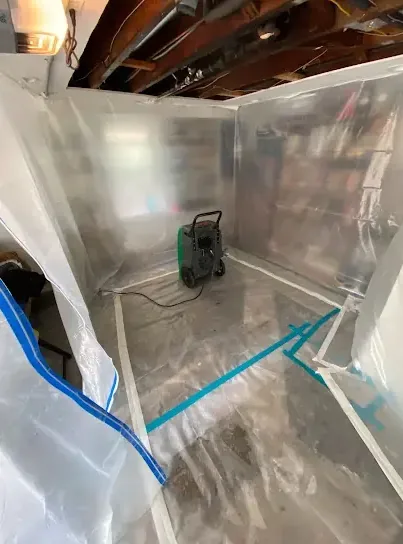
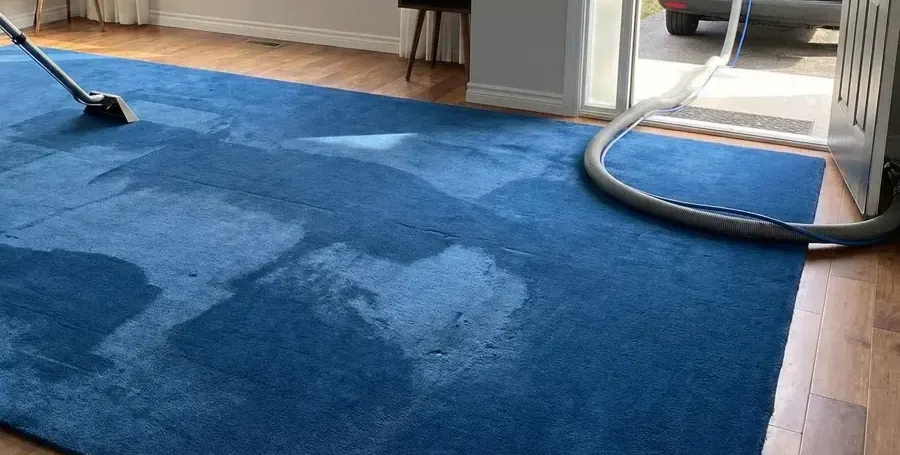
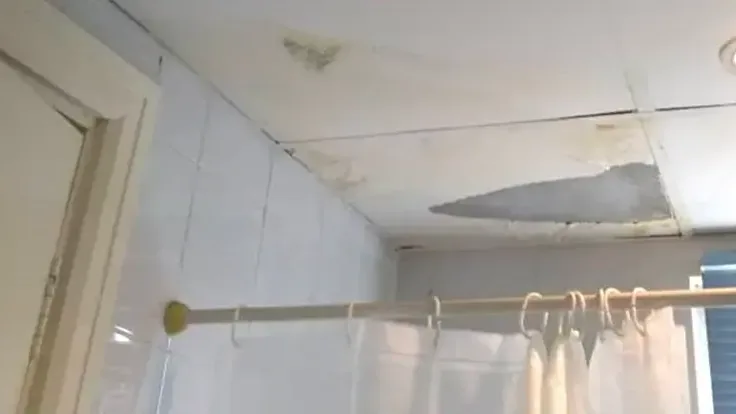
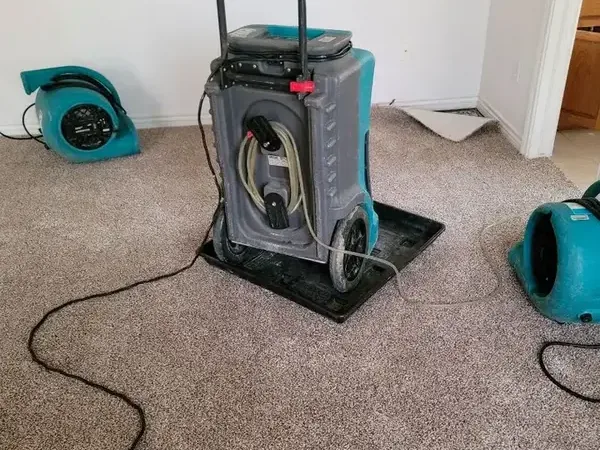
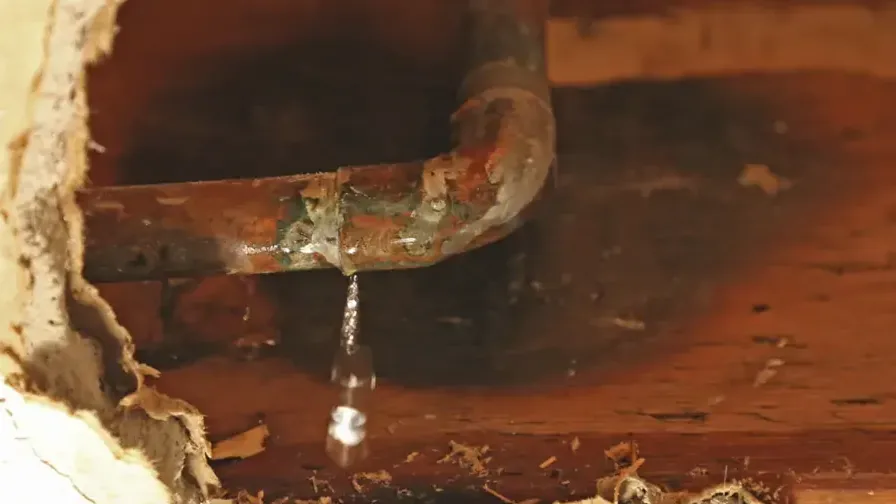
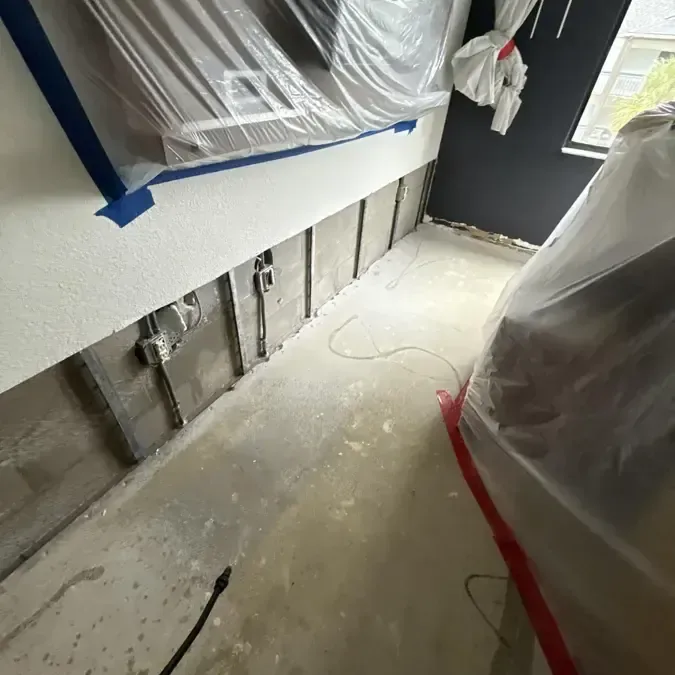
Storm flood cleanupWhat a dry-out looks like while it is still running
Containment, extraction and drying equipment set up on active water jobs.
Where the crew works across the borough
The crew covers all of Audubon, from Orston and Cedarcroft to the businesses along both pikes.
ZIP code covered
Orston and Cedarcroft
ZIP 08106
- Orston area
- Cedarcroft area
- Oakland Avenue area
- Oak Street area
Pike corridors and schools
ZIP 08106
- White Horse Pike
- Black Horse Pike
- West Kings Highway
- Haviland Avenue School
- Mansion Avenue School
Water is still spreading, so reach out now
A call or an email starts with a few questions about the source, how long the water has been there, which rooms are wet and which materials look soaked.
From there the crew plans extraction, containment and drying for the borough's homes, apartments and storefronts, and explains each step before any equipment is set.
Where local water damage starts
The borough sits between the Black Horse Pike and the White Horse Pike, a small tree-lined community where the median home was built in 1938, so older materials and stormy weather both deserve attention.
- Aging materials. The median home dates to 1938, and older pipes, tanks and fittings can fail, so a small drip may soak a wall unseen.
- Cloudburst days. A July 6, 2026 thunderstorm dropped nearly 3 inches of rain across Camden County, closing roads and showing how fast rain can overload drains.
- Winter freezes. A snow and freezing rain storm on January 24 and 25, 2026 put Public Works in storm response, and pipes in outside walls crack first in a hard freeze.
- Drains and sewage. Backups are handled as Category 3 water, and the Public Works site lists a Sewer Emergency page with an after-hours contact.
- Shared walls. The borough has 175 attached single-family homes, 437 units in two-unit buildings and about 311 in apartment buildings of 10 or more, so leaks cross walls.
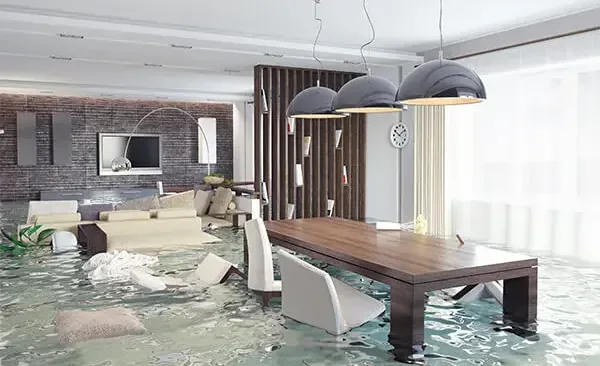
May 16, 2025: Severe storms caused flash flooding on a residential street in Audubon, and viewer video on 6abc Action News showed how fast water can collect.
Water damage questions from local homeowners
How fast does water damage spread through a house?
Water wicks into drywall, pad and framing within hours, which is why extraction and drying start before a full cleanup plan exists. Waiting turns a small wet area into a large one.
What should be done first when a pipe bursts?
Close the main valve, switch off power to wet rooms if it is safe, photograph the damage and reach a restoration crew before moving furniture or tearing anything out.
Is floodwater from a storm safe to dry in place?
Floodwater is treated as Category 3 because it carries dirt, bacteria and sewage, so soaked pad, drywall and insulation are removed instead of dried in place, as laid out under storm flood cleanup.
How long does drying usually take?
Clean-water jobs often dry in three to five days, while hardwood, plaster or block can run longer. Daily readings decide when equipment comes out, not a calendar.
Can older homes be dried like newer ones?
Yes, but old plaster, hardwood and layered flooring hold moisture longer, so readings are checked against a dry reference and may call for extra equipment days.
Who handles a sewage backup?
A restoration crew treats the affected area as Category 3, with containment, removal, antimicrobial treatment and drying. The Public Works site lists a Sewer Emergency page for the drain side, and sewage backup cleanup covers the rest.
Will insurance pay for water damage cleanup?
Coverage depends on the policy and the cause. Sudden pipe or appliance leaks are often covered, while rising flood water usually needs a separate flood policy, so ask the insurer first.
Do townhomes and apartments need special handling?
Yes, a leak can cross a shared wall or ceiling, so the source is traced unit by unit and both sides are dried, with separate records for each household's own insurer.
Can a business stay open during a dry-out?
Storefronts and offices along the pikes are dried in phases around the workday, with containment so the dry side of the business can keep running when the layout allows.
Does a leak raise a mold risk?
Wet materials left alone can grow mold within 24 to 48 hours, so drying fast is the best protection, and the crew measures moisture until the structure is dry.
Get the water out before it settles into walls and floors
Tell the crew what happened, and a plan for extraction and drying takes shape from there.