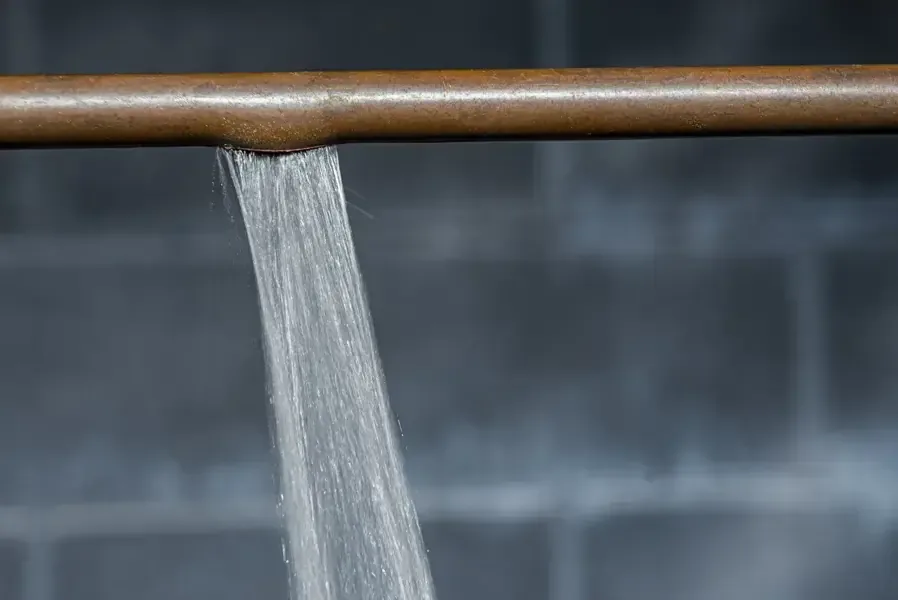
The median home in the borough was built around 1957, so older plumbing is worth a look once a pipe fails. Water from a break follows framing, drops through ceilings and runs under flooring, which is why the puddle you can see is only part of the loss.
First, shut the water off
Water questions in town go to New Jersey American Water, but the shutoff that matters first is the one inside the house. Turn off the main supply, open a low faucet to drain the system, and keep the power off in wet rooms until the area is checked.
What gets opened and dried
- Wall cavities, through small holes or removed baseboards, to dry studs and insulation
- Ceilings below the break, opened when the drywall sags or stains
- Flooring and subfloor, lifted or mat-dried depending on the material
- Cabinets and trim, with toe kicks pulled so air reaches behind them
Repair and documentation
A plumber repairs the pipe, and the drying team works around that timing, since a wet cavity should not be closed before readings say it is dry. Keep the failed section, because an adjuster may want to see it. Winter breaks are covered under frozen pipe water damage.
Water that shows up days later on an upstairs floor or a ceiling below often traces back to the same break. Readings across the house settle where the moisture actually went, and structural drying follows them.