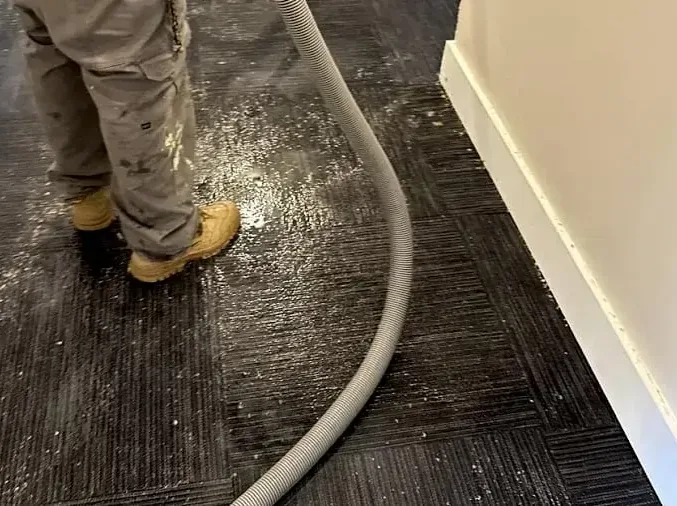
Standing water removal

Emergency Water Extraction in Palmyra, NJ

Storm runoff, a failed hose or a backed-up drain can leave a floor under water. The extraction crew pumps it out, lifts what cannot be saved and tests the rest with meters before drying begins.

(888) 471-9821Pump out a flooded borough home
Truck-mounted pumps Soaked pad lifted Meter readings before drying
Extraction wand pulling water from a soaked area rug and floor
This loss at a glance
EquipmentTruck-mounted and portable pumps
TestingMoisture meters and thermal imaging
Water typesClean, gray or Category 3
OutputReadings and a drying plan
First moves

Emergency Water Extraction: what to do before the crew arrives

  1. 1
    Stop the source

    Close the shutoff for a broken pipe or appliance and keep everyone clear of deep water near outlets.

  2. 2
    Clear the floor

    Move rugs, shoes, books and electronics onto shelves so every wet patch can be reached.

  3. 3
    Photograph the water

    Capture the level, the source and damaged belongings before anything is pumped or thrown out.

  4. 4
    Leave the pad alone

    Wet carpet pad is lifted after readings are logged, so the record stays complete.

Order of the work

How emergency water extraction is handled in Palmyra, NJ

Measure, extract, dry, verify: skipping a step is how hidden moisture ends up sealed inside a wall.

  1. 1

    Pump the standing water

    Truck-mounted units and portable pumps lower the water, then wands finish the floors.

  2. 2

    Test where it went

    Meters and thermal imaging find wet subfloor and wall bottoms that look dry on top.

  3. 3

    Pull what cannot dry

    Saturated pad, insulation and low drywall are removed so air can reach the framing.

  4. 4

    Hand off to drying

    Baseline readings go into the file, and the drying team sets equipment from them.

Typical cost ranges

What does emergency water extraction cost in Palmyra, NJ?

Most extraction jobs run from $800 for one clean-water room to $9,000 or more for a whole level with Category 3 water. Pump depth, floor type and contamination move the price.

One room, clean water

$800 to $2,000
  • Truck-mounted pumping
  • Hard floor or carpet
  • Meter readings

Several rooms or a lower level

$2,000 to $5,000
  • Pad pulled if soaked
  • Pumps for deep water
  • Drying set up

Category 3 or a whole level

$5,000 to $9,000+
  • Containment barriers
  • Porous items removed
  • Antimicrobial rinse

Ranges move with the water category, the square footage, the material class and how fast drying started. For a planning number, run the water damage cost calculator.

Extraction comes before every other step, because standing water keeps soaking into subfloor, baseboards and the bottoms of walls. In the borough that water often comes from rain the storm drains cannot move or from a plumbing failure inside the house. The crew starts at the surface and works toward the structure, then plans the drying from what the meters show.

Why floodwater lingers here

The borough ties its flood-prone intersections to an aging storm drain system and high tides. When heavy rain coincides with a high tide, the drains have less room to move it away. A 2017 FEMA flood study for Burlington County names the Delaware River as a cause of flooding, and Pennsauken Creek has its own NOAA tide station at the Route 73 bridge.

What the crew does first

  • Confirms the water source is stopped and the wet rooms are safe to enter
  • Pumps standing water, then works a wand over carpet and hard floors
  • Lifts soaked pad and pulls baseboards that are holding water
  • Reads moisture in floors and wall bottoms and marks the wet edge

When pumping is only the start

Removing the bulk of the water does not dry the house. Wood, drywall and subfloor stay wet for days, and the first readings become the baseline the drying team measures against every visit until each surface is back to normal. Water also travels, so the crew checks the room next door and the floor below before calling the extraction done.

River or storm flooding can carry sewage and debris, which makes the water Category 3. That shifts the job toward removing porous materials and disinfecting, and photos taken before anything leaves the house support the insurance claim. Heavier losses fall under storm and creek flood cleanup.

Service area

Emergency water extraction across the area and nearby towns

Service area around the town

Extraction runs across the borough, from the original 1850 street grid and Broad Street to the Route 73 corridor, the Temple Boulevard area and the streets near the Delaware River.

The same service nearby: emergency water extraction in Mount Laurel, Collingswood, Audubon.

Every water service in this town · every town covered

Questions

Emergency Water Extraction questions in Palmyra, NJ

What can a truck-mounted unit handle?

Truck-mounted units move large volumes from carpet, hard floors and low rooms, while smaller pumps handle deep pooling and tight spaces. The crew picks the mix after seeing the room.

Is the water always clean?

No. Rain that crossed a flooded street, a sewer backup or a long-standing leak can be Category 2 or 3, and that changes what must be removed.

Can carpet be saved after extraction?

Often yes, if the water was clean and the pad is dealt with promptly. Contaminated carpet, or carpet that sat wet for days, usually has to go.

Does the borough's flooding history change the job?

It raises the odds the water is Category 3, since the borough links its flood-prone intersections to an aging storm drain system and high tides. The crew assumes the worst until the source is clear.

How is extraction different from drying?

Extraction removes liquid water. Drying pulls out the moisture that stays in wood, drywall and concrete, and it takes days of equipment and daily readings.

What should be photographed before the pumps start?

The waterline on walls, the source, damaged furniture and flooring, and any meter or panel near the water. Pictures taken before cleanup carry the most weight with an adjuster.

Water in the house right now

Get the water out before it settles in

The restoration team brings pumps, meters and a written drying plan, then follows up with readings until the structure is dry.

(888) 471-9821Book the extraction crew
(888) 471-9821 flood & leak help