Water Damage Restoration Haddon Heights, NJ
The restoration team pulls standing water out of Haddon Heights homes and shops, dries the structure with readings logged daily, and cleans up sewage safely when a drain backs up.
(888) 471-9821Call about water in the borough
Standard on every job
- Sewage and drain backups
- Older home drying plans
- Truck-mounted water removal
- Daily moisture readings
Water damage services for borough homes and shops
Split pipe, failed sump pump or backed-up drain, each loss gets its own plan for removal, drying and cleanup.
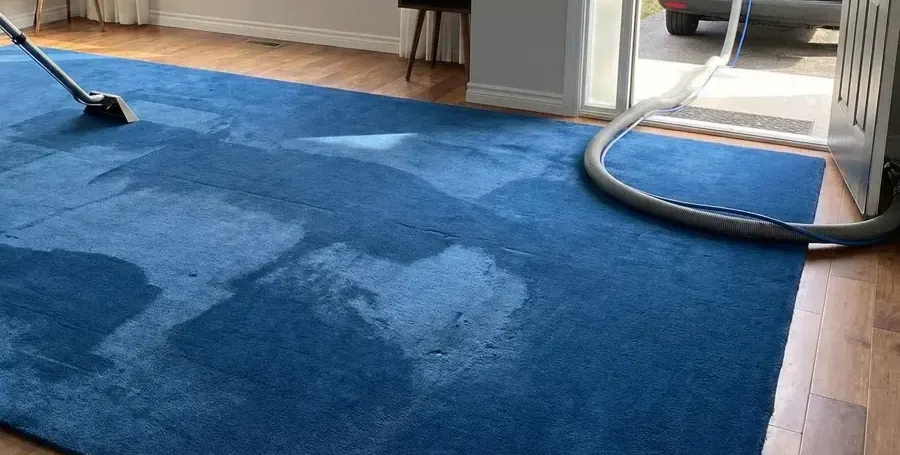
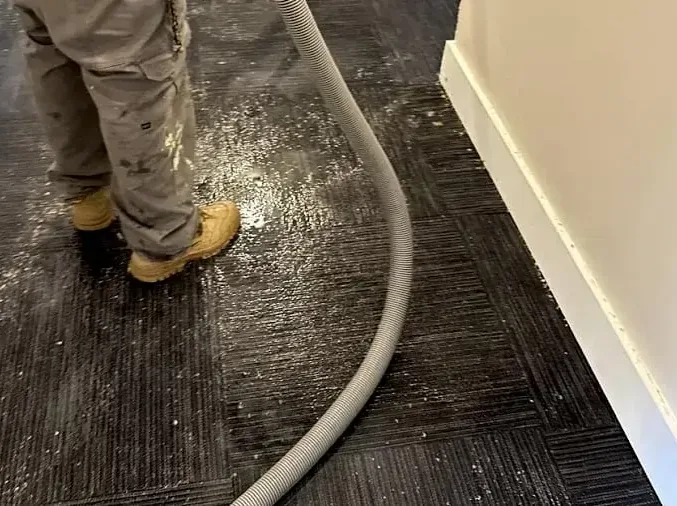 Emergency Water ExtractionTruck-mounted wands pull standing water from carpet, tile and hardwood before it spreads.See pricing and steps
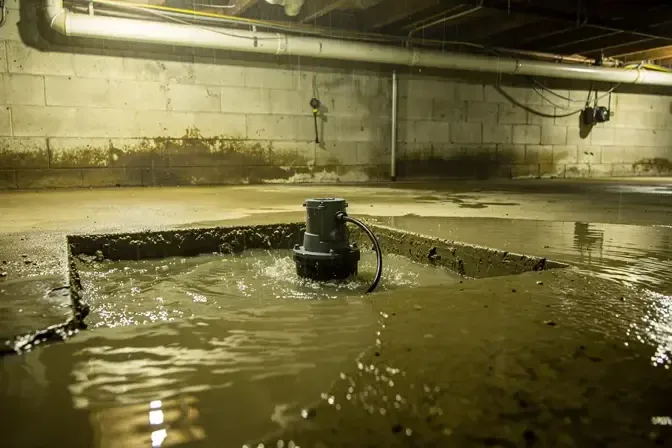 Basement Flooding CleanupPump-out, slab drying and removal of soaked finishes after water reaches a lower level.See pricing and steps
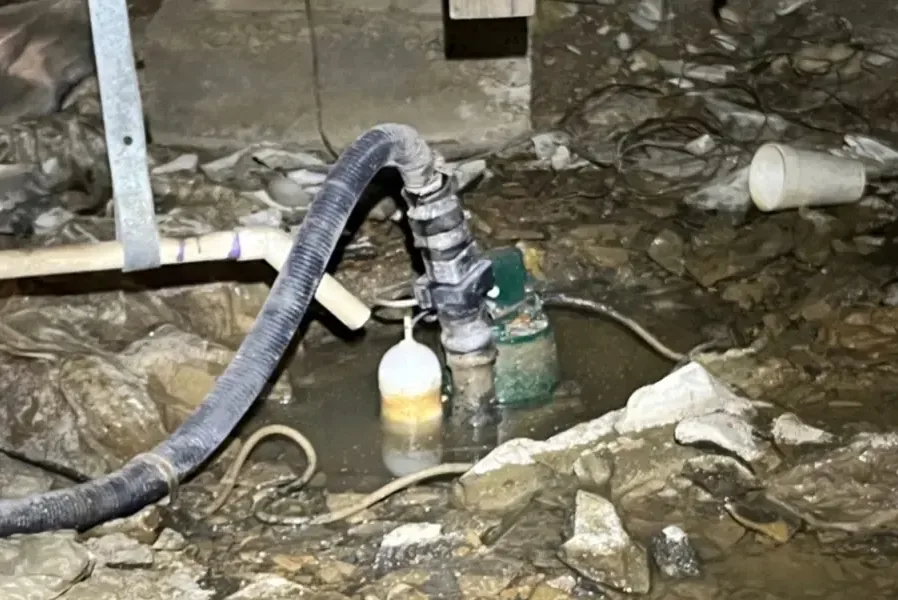 Sump Pump Failure Water DamageWhen the pump quits mid-storm, extraction and slab drying come first.See pricing and steps
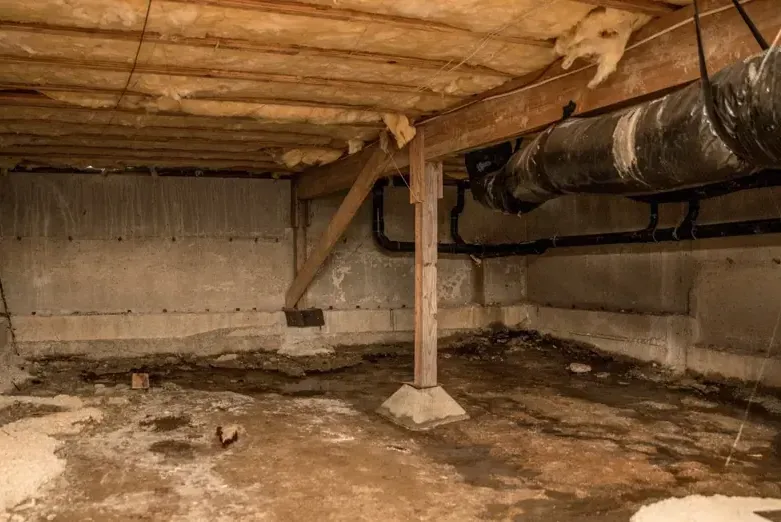 Crawl Space Water RemovalPump-out, insulation removal and dehumidifier drying for the space below the floor.See pricing and steps
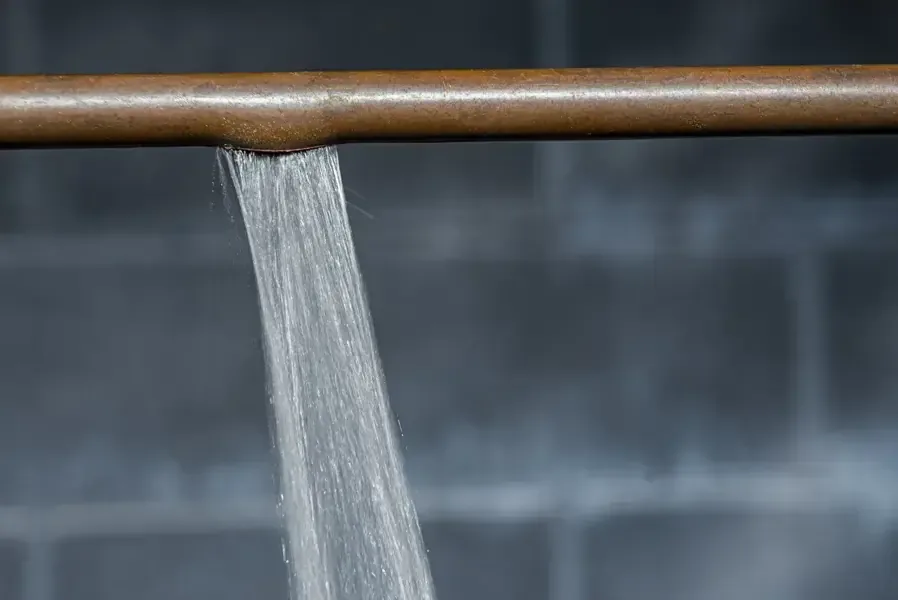 Burst Pipe Water DamageExtraction and cavity drying when a supply pipe splits inside a wall or ceiling.See pricing and steps
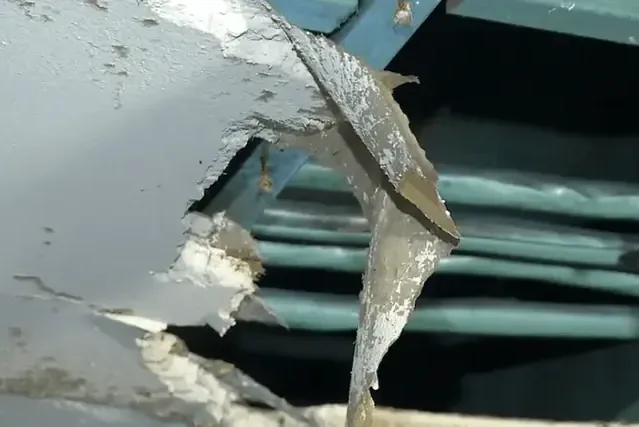 Frozen Pipe Water DamageThaw damage handled from the first drip, with insulation and wet drywall removed as needed.See pricing and steps
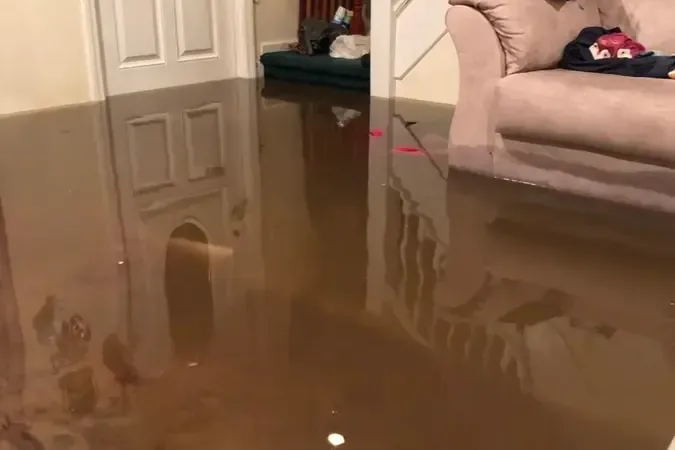 Storm and Creek Flood CleanupStormwater removed, soaked materials cut out and the structure disinfected after heavy rain.See pricing and steps
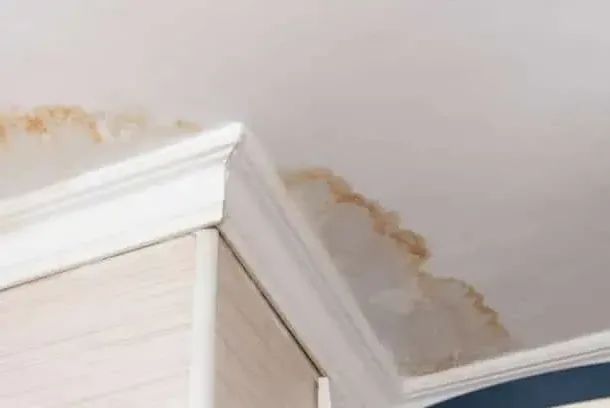 Roof Leak Water DamageWet insulation and ceilings dried after a roof leak lets rain or melting snow inside.See pricing and steps
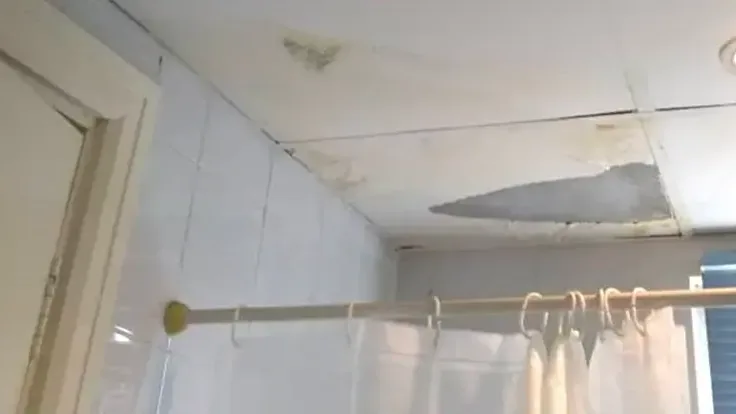
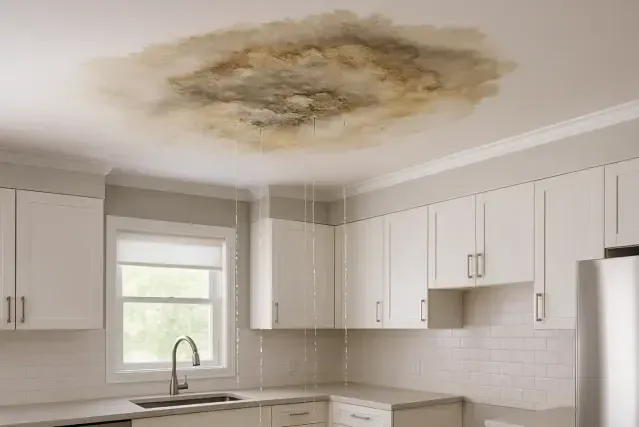 Ceiling Leak Water DamageTracing the source, opening the ceiling and drying joist bays where water traveled.See pricing and steps
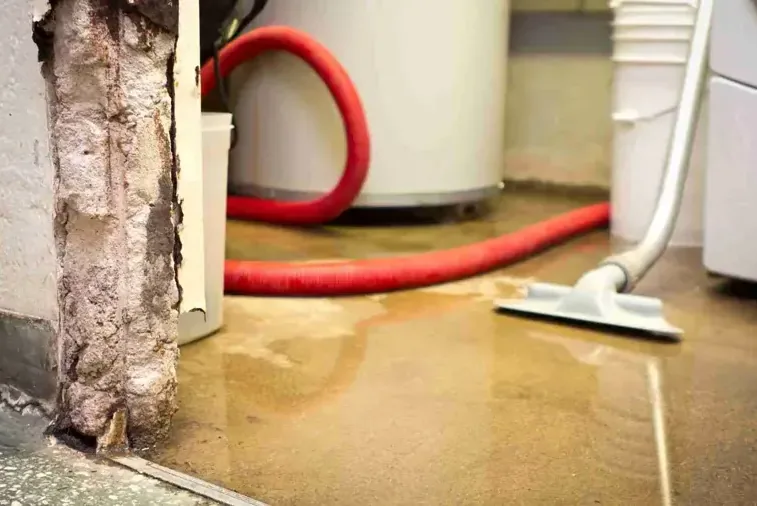 Water Heater Leak CleanupExtraction and drying after a tank fails or a fitting drips for weeks.See pricing and steps
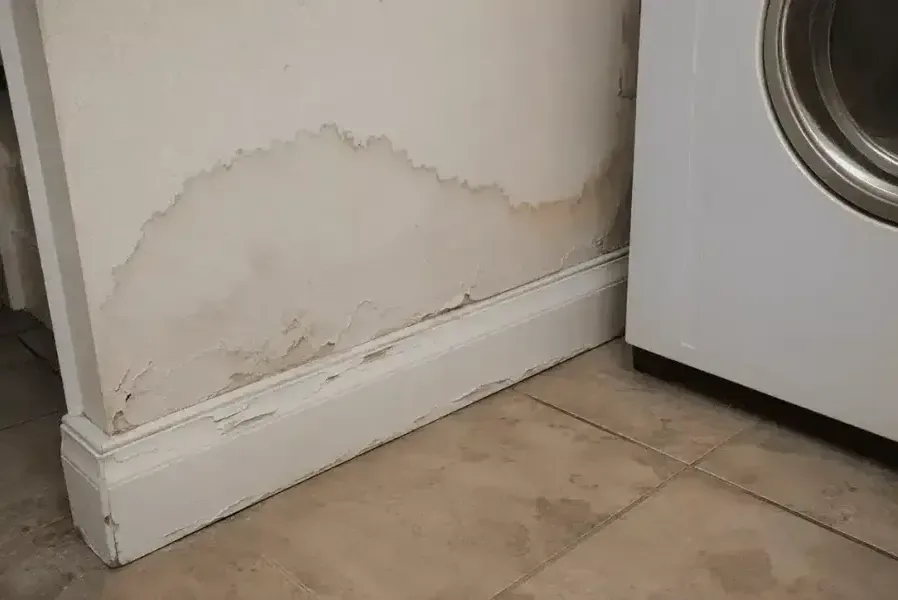 Appliance Leak Water DamageWasher, dishwasher and refrigerator leaks dried under cabinets, behind toe kicks and below flooring.See pricing and steps
 Townhome and Condo Water DamageLeaks that cross a shared wall or ceiling, with each unit's records kept separate.See pricing and steps
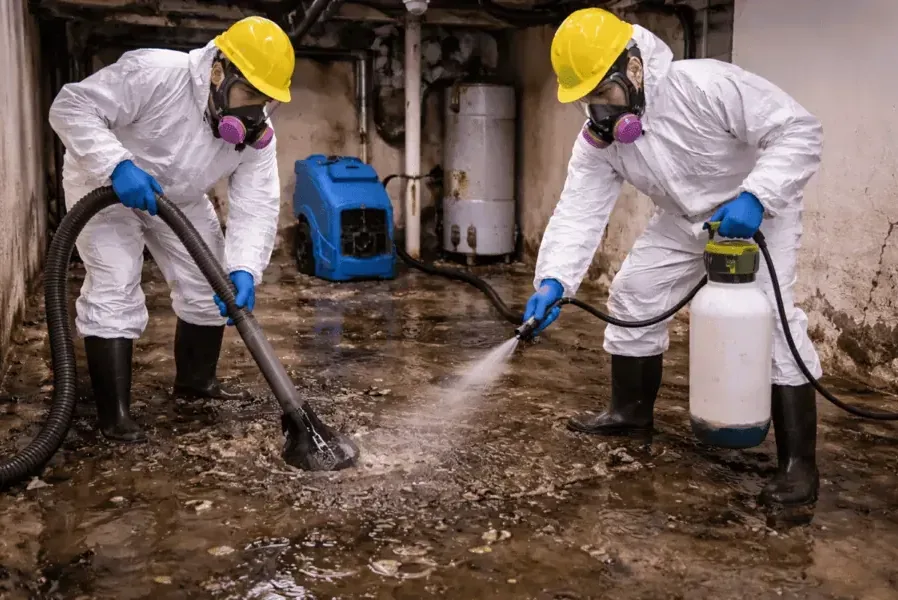 Sewage Backup CleanupCategory 3 sewage removed, surfaces disinfected and porous materials discarded under containment.See pricing and steps
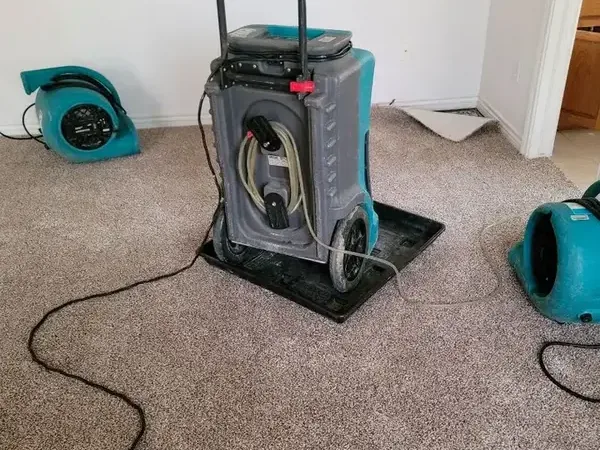
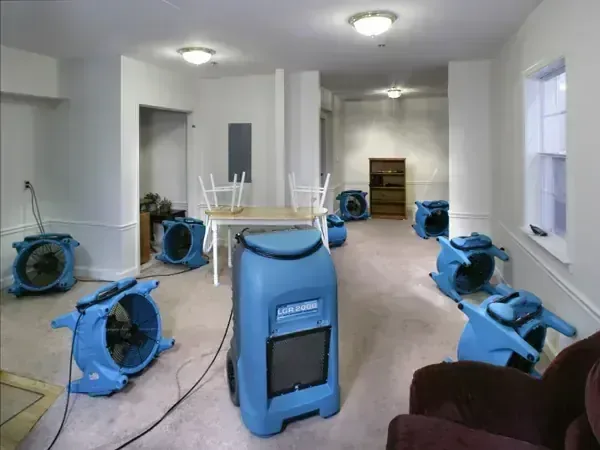 Structural Drying and DehumidificationAir movers, LGR dehumidifiers and daily readings until walls and floors reach dry standards.See pricing and steps
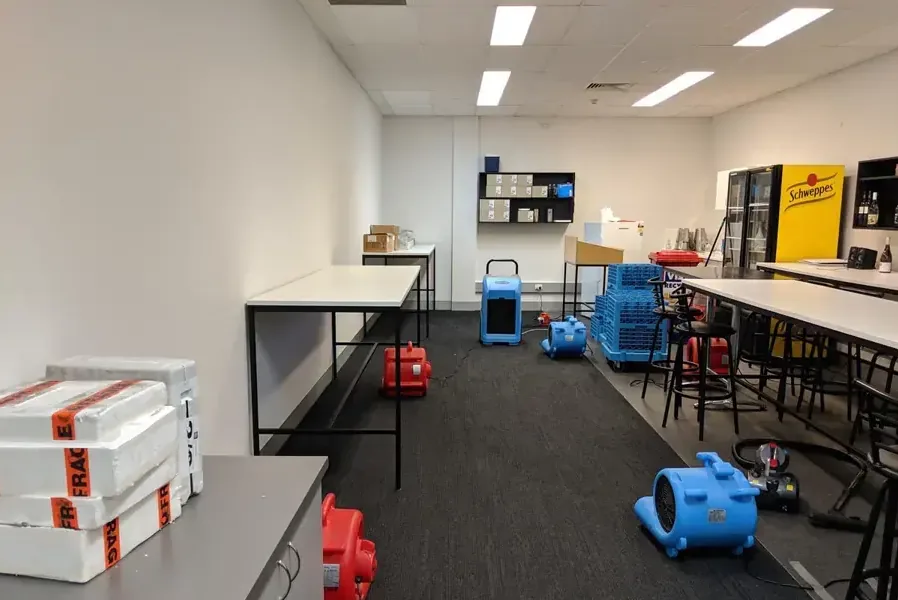 Commercial Water DamageShops, offices and restaurants get phased drying plans that keep the doors open where possible.See pricing and steps
Steps to take while water is still spreading
A few quick moves limit the damage and protect your claim, whatever the source of the water.
- 1Stop the source
Close the fixture valve or the main shutoff, then switch off power to wet areas if you can reach the panel dry.
- 2Keep people clear
Keep children and pets out of wet rooms, and stay away from standing water near outlets, cords or appliances.
- 3Avoid moving water
Skip the shop vacuum and fans. Pushing water around can drive it into walls, and sewage spreads germs.
- 4Take photos first
Photograph every wet room, the damaged belongings and the waterline on walls before anything gets moved or thrown out.
- 5Bring in the crew
Call the restoration team early so extraction starts before wood swells and drywall wicks water upward.
Dry-outs built around the borough's older homes
Older homes, careful readings
A 2016 borough housing study put the median build year at 1947, so aged wood and plumbing get slow, thorough moisture checks.
Sewer system know-how
The sanitary sewer dates to 1911 and runs on clay mains, so every backup is handled as Category 3 until proven otherwise.
Records an adjuster can follow
Readings, equipment logs and photos are kept for each loss, so the file shows what was wet and what dried.
Straight answers on cost
Price ranges are explained before any wall is opened or any carpet is pulled.
From first reading to final drying log
The drying team works to the IICRC S500 standard: measure the moisture, remove the water, set equipment and record the results every day until the structure is dry.
- 1
Measure
Meters and a thermal camera map which walls, floors and ceilings are wet before any equipment goes down.
- 2
Remove water
Pumps and wands take out the bulk of the water first.
- 3
Open wet cavities
Baseboards, lower drywall and wet insulation come out where moisture is trapped behind the surface.
- 4
Check every day
A technician returns to read moisture levels and shifts air movers until the numbers fall.
- 5
Confirm it is dry
Final readings are compared with dry reference points, and the log is saved for the file.
- LGR dehumidifiers that keep pulling moisture even when the room air is already damp
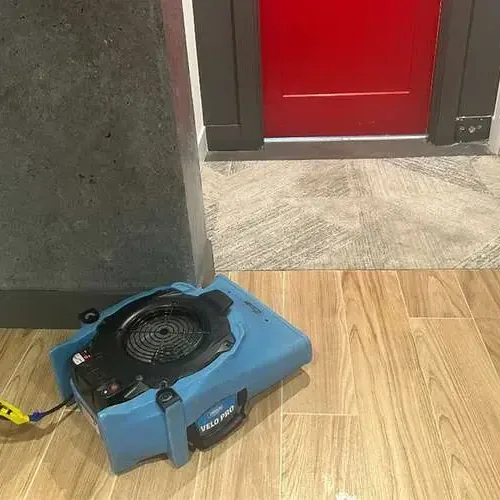
- Air movers angled along walls, under cabinets and across the floor
- Thermal cameras and moisture meters that find wet spots behind finished surfaces
- Desiccant dehumidifiers and floor mat systems for hardwood, plaster and dense materials
What water damage cleanup tends to cost here
Most jobs land between $1,200 and $25,000 or more, depending on how much water came in, how long it sat and whether it was clear or sewage. Readings and a written drying plan set the real number.
Small clean-water leak
$1,200 to $6,500- One room pumped out
- Equipment set and read daily
- Wet baseboards dried
Several rooms or a basement
$6,500 to $15,000- Wet carpet and pad removed
- Lower drywall cut back
- Several days of drying
Sewage or a full level
$15,000 to $25,000+- Category 3 containment
- Porous materials removed
- Extended equipment run
Every house is different, so the water damage cost calculator turns room sizes and water type into a rough range before anyone visits.
Working with your insurance claim
Coverage depends on your policy and on how the water got in, so documentation matters. The restoration team records what an adjuster usually asks to see during a dry-out.
Before the adjuster visits
A sudden pipe break is usually treated differently from slow seepage, and sewer or drain backup often needs its own endorsement, so read the policy language before assuming anything is covered.
The borough adopted FEMA flood maps by ordinance effective September 28, 2007, and treats repairs above 50 percent of a structure's market value as substantial damage, so itemized drying records and estimates help.
- Photos and video of every wet room before cleanup
- Receipts for emergency repairs, equipment and hotel stays
- A list of damaged belongings with rough purchase dates
- Moisture readings from each drying visit
- The date and time the water was first noticed
Three causes behind most borough calls
Aging supply pipes
A split pipe inside a wall or ceiling can run for hours unseen, which is a real risk in older houses.
Burst pipe cleanupKitchen and laundry leaks
Washer hoses, dishwasher supply tubes and refrigerator water tubes fail quietly and soak cabinets and subfloors.
Appliance leak cleanupDrain and sewer backups
A blocked lateral or main sends Category 3 water up the lowest drain, which needs containment.
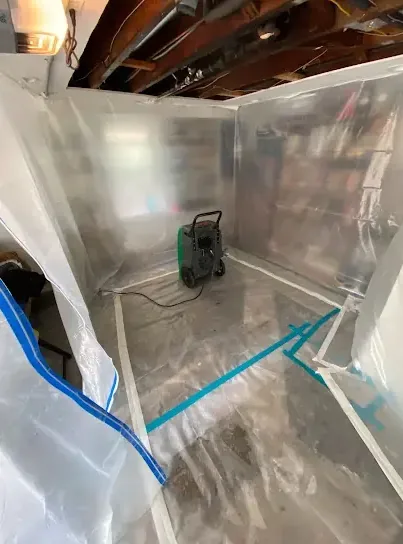
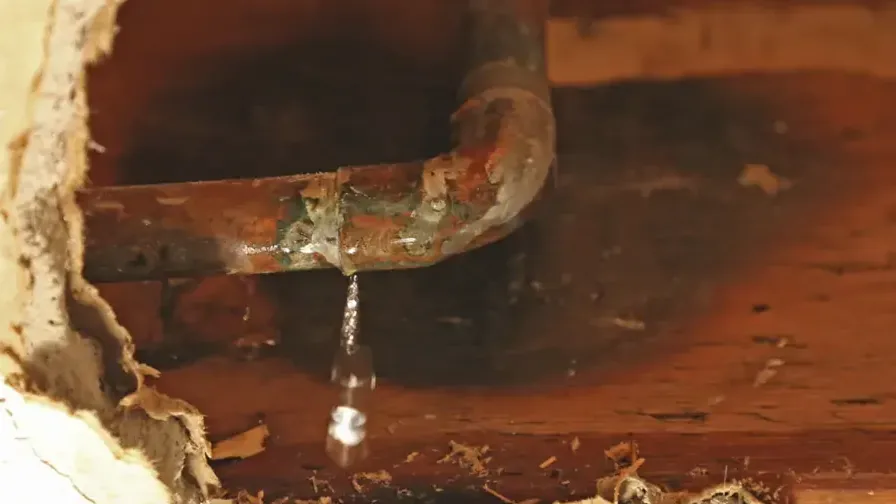
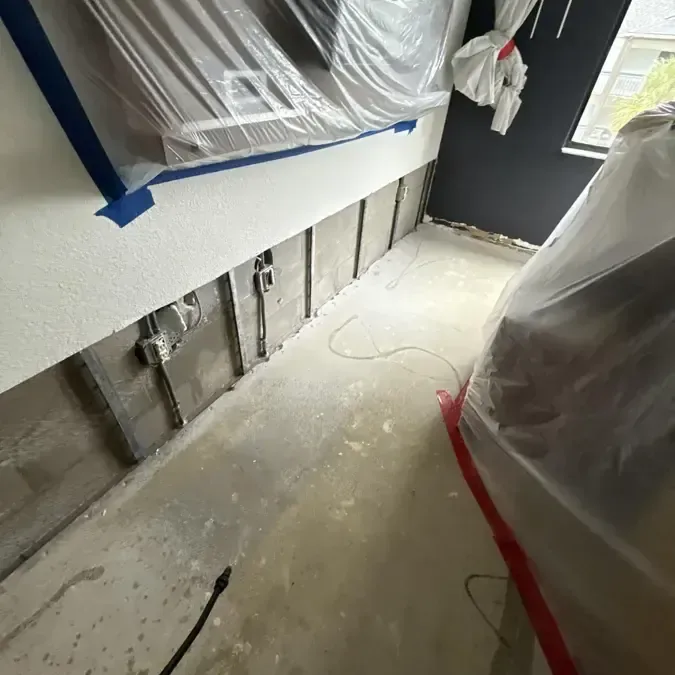
Sewage backup cleanupWhat containment, extraction and drying look like in practice
Typical equipment and containment used during a dry-out.
Serving all of the borough, east side to west side
Work covers every part of the borough, including both sides of Tenth Avenue and the business streets in between.
Business corridors
ZIP 08035
- Station Avenue business district
- White Horse Pike office corridor
- Kings Highway corridor
Residential sides and developments
ZIP 08035
- East side of the borough
- West side toward the Black Horse Pike
- Glover Mill development
Water on the floor? Start with a call
Tell the dispatcher which rooms are wet, where the water came from and whether it looks clear or dirty, so the right equipment gets planned for the visit.
Photos sent by email help the team scope the job before any wall is opened, and emergencies on nights, weekends and holidays are handled like any other call.
What puts borough homes at risk
Older homes, a sewer system first laid in 1911 and heavy summer downpours shape the water damage risk here, while property owners hold responsibility for their own sewer laterals.
- Older houses. The median home dates to 1947, and 37.4 percent are from 1939 or earlier, well above the county share of 17.8 percent.
- Leaf-clogged drains. Leaf piles in the street cause flooding and drainage problems in rainstorms, the borough says, and vacuum collection runs mid-October to mid-December.
- Aging sewer pipes. Mains are mostly clay and average 70 to 95 years old, and a 2013 agreement set up a program to keep rain and groundwater out of them.
- Sewer laterals. Each lateral is owned and operated by the property owner it serves, which matters when a drain backs up or a cleanout overflows.
- Attached homes. Multi-unit housing, including a 26-unit development for residents 62 and older, means a leak in one unit can reach a neighbor's ceiling or wall.
July 4, 2023: Afternoon storms dropped 2.53 inches of rain on the borough, and the New Jersey State Climatologist noted some localized flash flooding that day.
Water damage questions from borough homeowners
How quickly does water spread through an older home?
Water keeps wicking up walls and into wood framing for as long as it sits there, so extraction should start as soon as the source is stopped.
Who owns the sewer pipe that serves a house?
Property owners own their laterals, the Borough Sewer Department runs the sanitary system, and the Camden County Municipal Utilities Authority carries wastewater onward. The sewage backup cleanup of the rooms is the same either way.
What should I do first when a pipe bursts?
Shut off the main water valve, switch off power to wet areas if that is safe, and keep everyone in dry rooms. Then call, since burst pipe cleanup includes cavity drying behind walls.
Are frozen pipes a real risk after winter storms?
Yes. A trained spotter reported 15.0 inches of snow here in the February 22 to 23, 2026 storm, and Camden County has advised residents to trickle water and open cabinet doors during hard freezes.
Can a flooded lower level be dried without removing everything?
Often, when the water was clean and pumped out early. Slabs and framing can dry in place, though soaked pad and lower drywall usually come out. Sewage or floodwater changes that plan.
Does insurance cover water damage and sewage backup?
That depends on the policy and the cause. Sudden pipe failures are treated differently from seepage, and backup coverage is often an add-on, so read the policy and keep photos and drying logs.
Do leaf piles really cause flooding?
The borough says leaf piles left in the street cause flooding and drainage problems during rainstorms, and its vacuum collection runs from mid-October to mid-December. Clearing the drain nearest the house helps too.
How do drying records help with a flood ordinance?
The borough flood ordinance counts repairs above 50 percent of a structure's market value as substantial, so itemized readings and estimates give owners in a mapped flood area clear numbers.
Can the team work in a shop without closing it?
Often yes. Restaurants and banks on Station Avenue and offices along the White Horse Pike get phased drying so part of the space stays open. See commercial water damage.
When is a ceiling leak an emergency?
A sagging or bulging ceiling can release water suddenly, so keep people out from under it and call. Water often travels along joists before it shows, especially in houses built around 1947.
Stop the damage while the walls can still be saved
One call starts the plan: stop the source, remove the water and set the drying equipment.