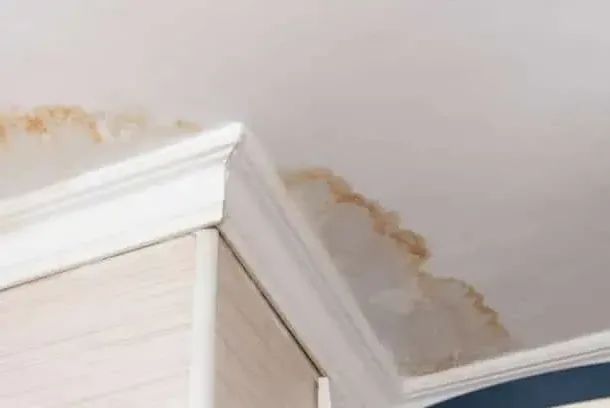
A roof leak is slow and sneaky. Water runs along rafters, soaks insulation and shows up as a brown ring on a ceiling a few feet from the real opening. The restoration team follows the path from the attic down, because the stain is rarely right under the leak.
Check the permit before reroofing
In the borough, replacing roofing in kind on a property in a FEMA special flood hazard area needs a floodplain development permit from the Construction Official before work starts. Owners can ask the Construction Office whether an address sits in that area, and a roofer should know before ordering materials.
What wet insulation does
- Soaked batts press flat and stop insulating
- Damp insulation keeps ceiling drywall wet from above
- Wet framing and decking stay damp with no airflow
- Hidden moisture returns later as stains, odor or peeling paint
Dry first, repaint last
Once the roofer closes the opening, the drying team opens the ceiling where it sags, removes insulation and dries joist bays and wall tops with air movers. Fresh paint over damp drywall only hides the problem. A leak that reaches the ceiling is also covered under ceiling leak water damage.
Take photos of the attic, the stained ceiling and the roof damage, and save any roofer invoice, since an adjuster will ask when the leak started. The drying time estimator gives a rough idea of how long the ceiling will take.