Water Damage Restoration Collingswood, NJ
When a pipe splits, a sump pump quits or creek water reaches a floor, the drying team removes standing water and logs moisture daily until Collingswood walls and floors read dry.
(888) 471-9821Borough water trouble? Ask a drying pro
Standard on every job here
- Pipe and sewage cleanup
- Creek and storm flooding
- Truck-mounted water removal
- Daily moisture readings
Match the damage to the right fix
Each service below covers one source of water, from a split pipe to creek flooding, with its own cleanup and drying plan.
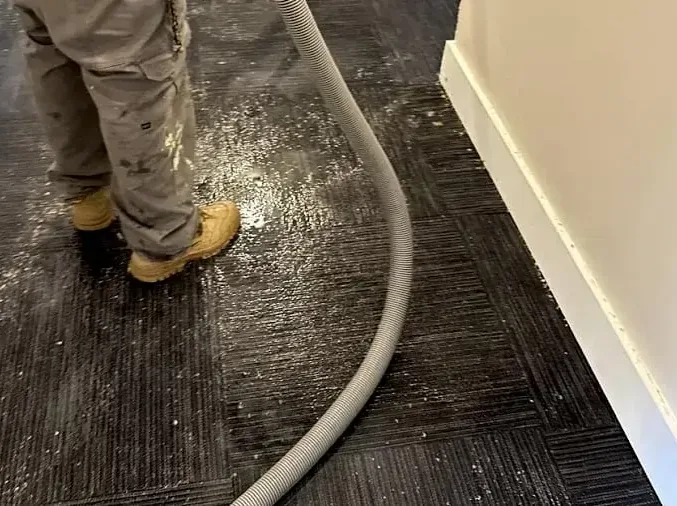 Emergency Water ExtractionPumps and truck-mounted extractors pull standing water off floors and carpet before it spreads.See how this service works
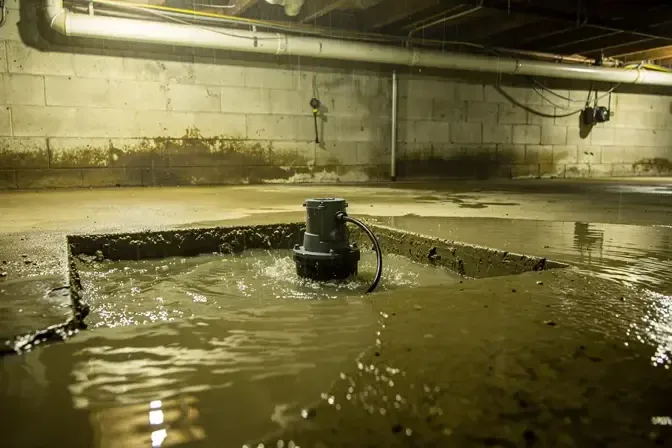 Basement Flooding CleanupFlooded lower levels get pumped out, stripped of wet finishes and dried down.See how this service works
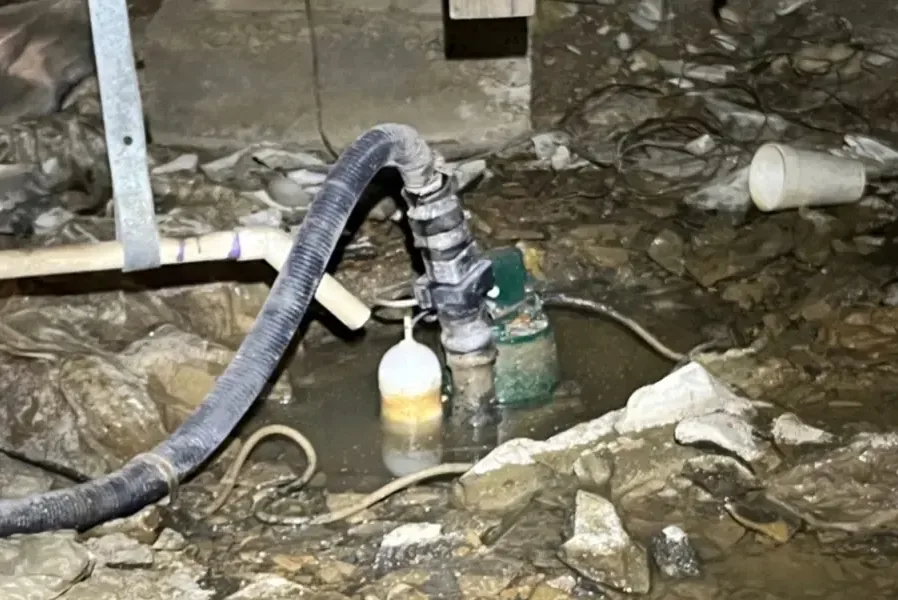 Sump Pump Failure Water DamageA failed sump pump leaves overflow that is extracted, then slab and walls dried.See how this service works
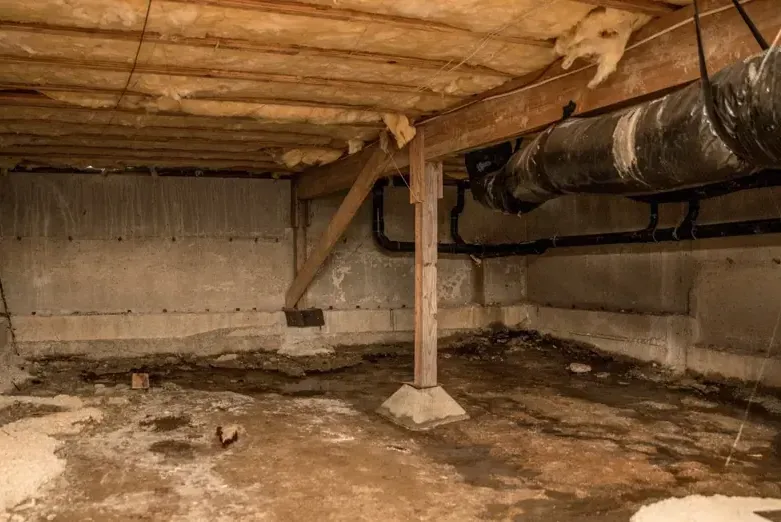 Crawl Space Water RemovalWater under a floor is found, pumped out and dried before it soaks the joists.See how this service works
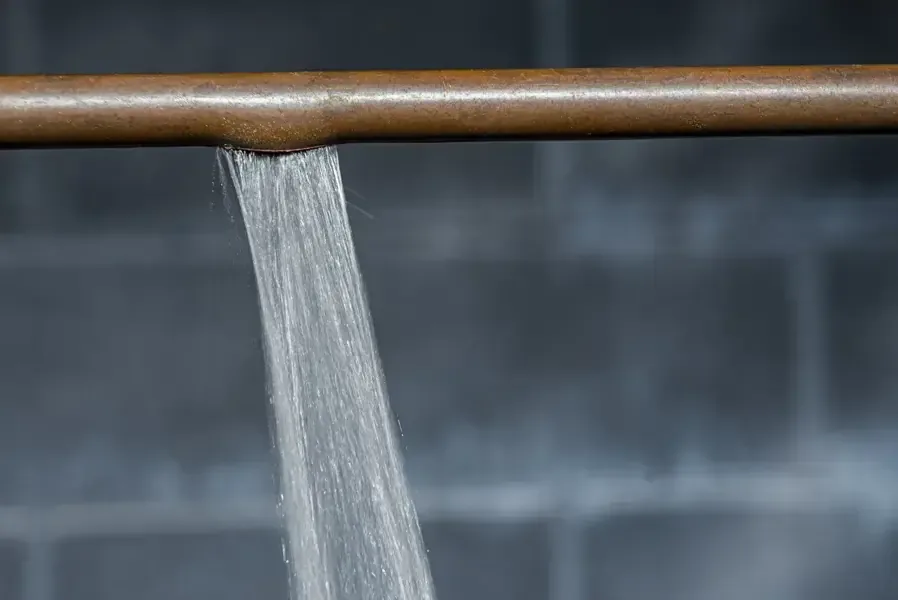 Burst Pipe Water DamageA split supply pipe means extraction, opened walls or ceilings and dried cavities.See how this service works
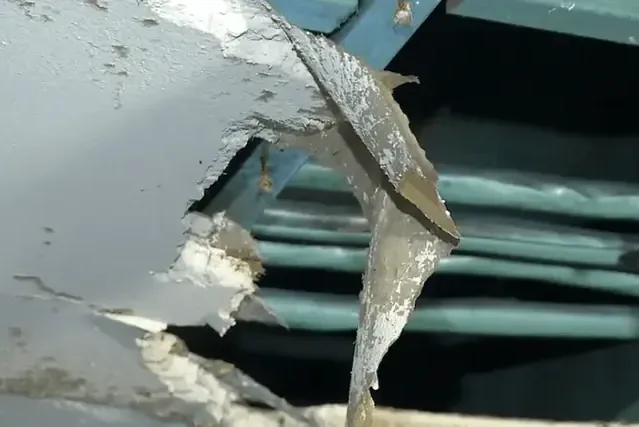 Frozen Pipe Water DamagePipes split by a hard freeze soak walls and ceilings, which get opened and dried.See how this service works
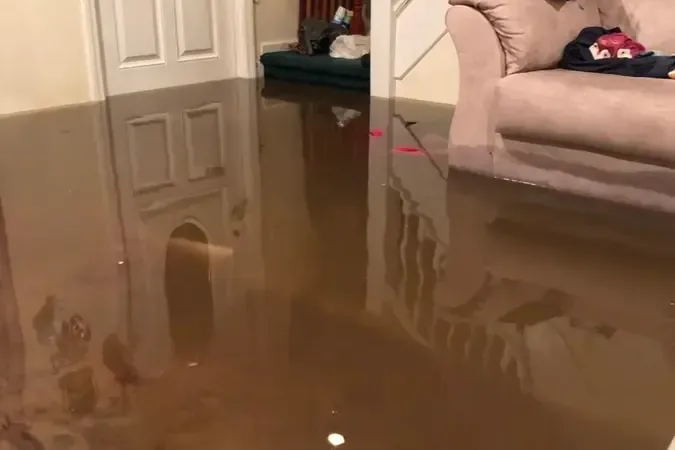 Storm and Creek Flood CleanupStorm and creek water indoors means extraction, disinfection and removal of soaked materials.See how this service works
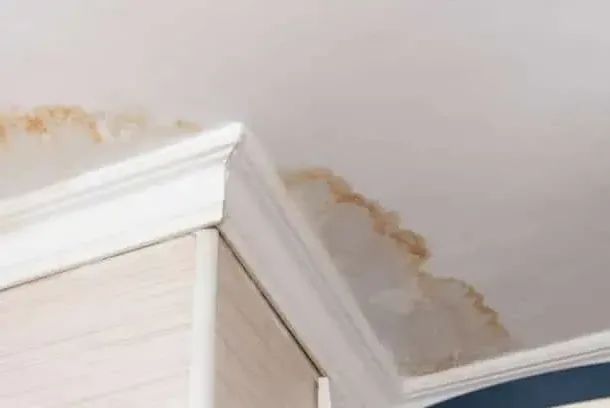 Roof Leak Water DamageRain past shingles or flashing soaks insulation and ceilings, which are opened and dried.See how this service works
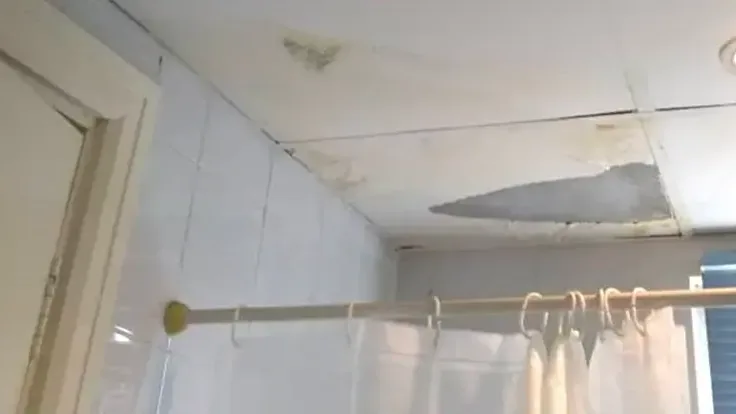
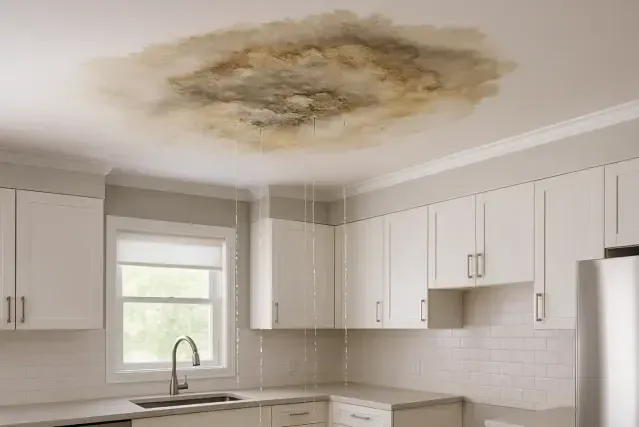 Ceiling Leak Water DamageA stained or sagging ceiling is traced, opened and dried before it falls.See how this service works
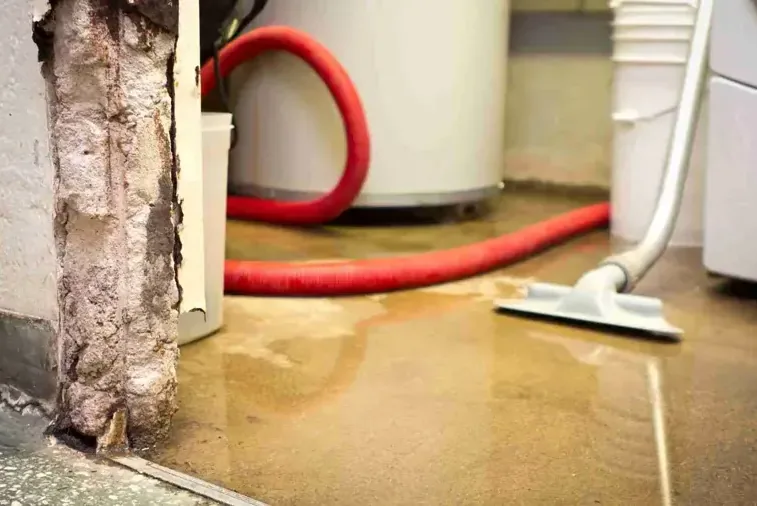 Water Heater Leak CleanupA failed tank floods closets and finished rooms, so water comes out and floors dry.See how this service works
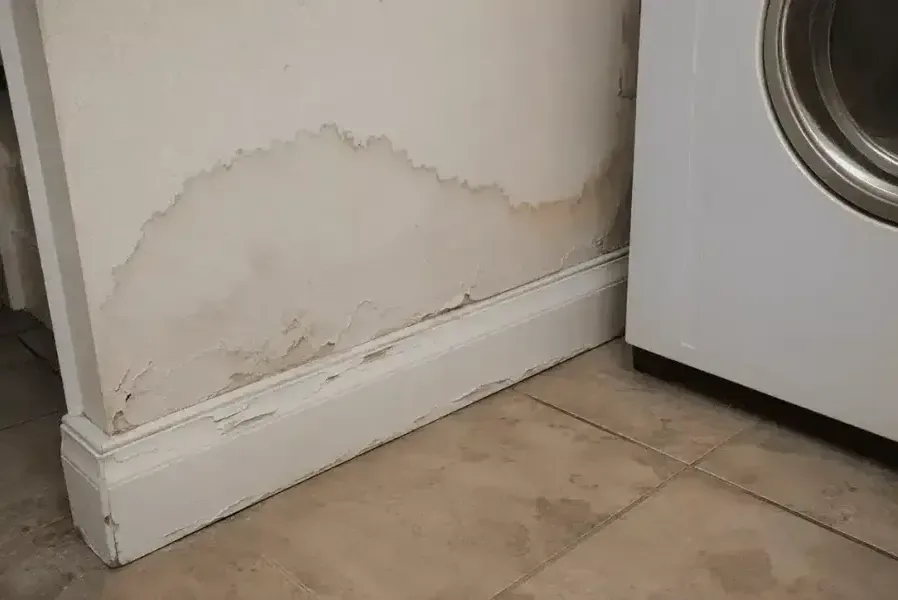 Appliance Leak Water DamageWashers, dishwashers and refrigerators that leak get water pulled from under cabinets and flooring.See how this service works
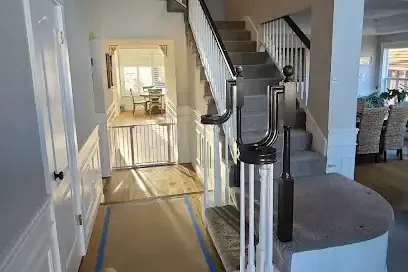 Townhome and Condo Water DamageLeaks in attached homes and apartments are dried with records per affected unit.See how this service works
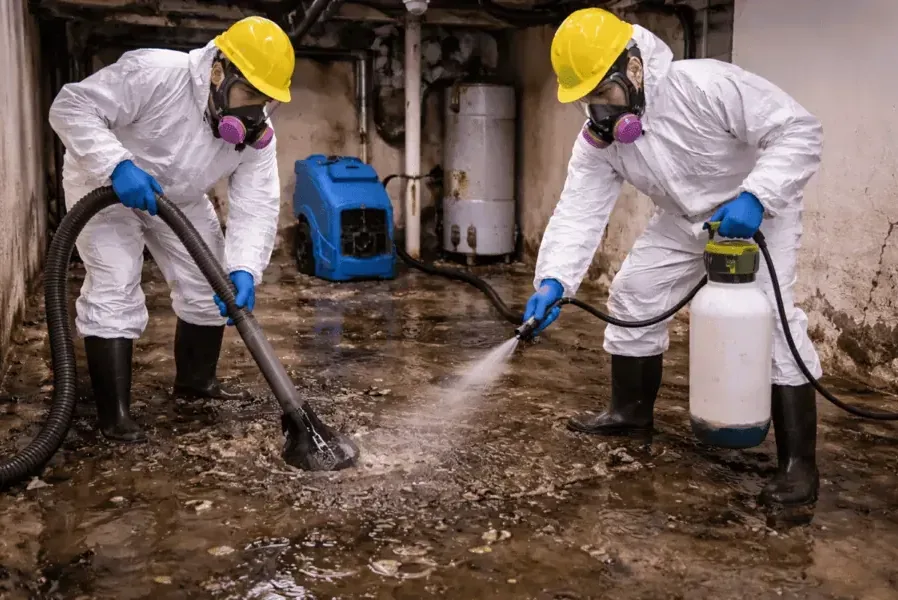 Sewage Backup CleanupSewage from a backed-up drain is removed with protective gear and surfaces are disinfected.See how this service works
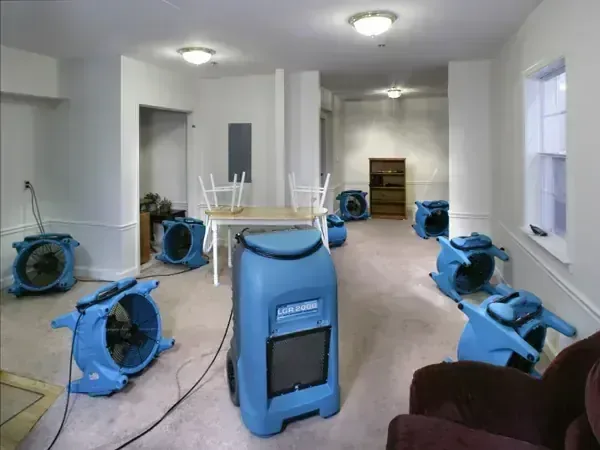 Structural Drying and DehumidificationDehumidifiers and air movers dry walls, floors and framing until readings reach normal.See how this service works
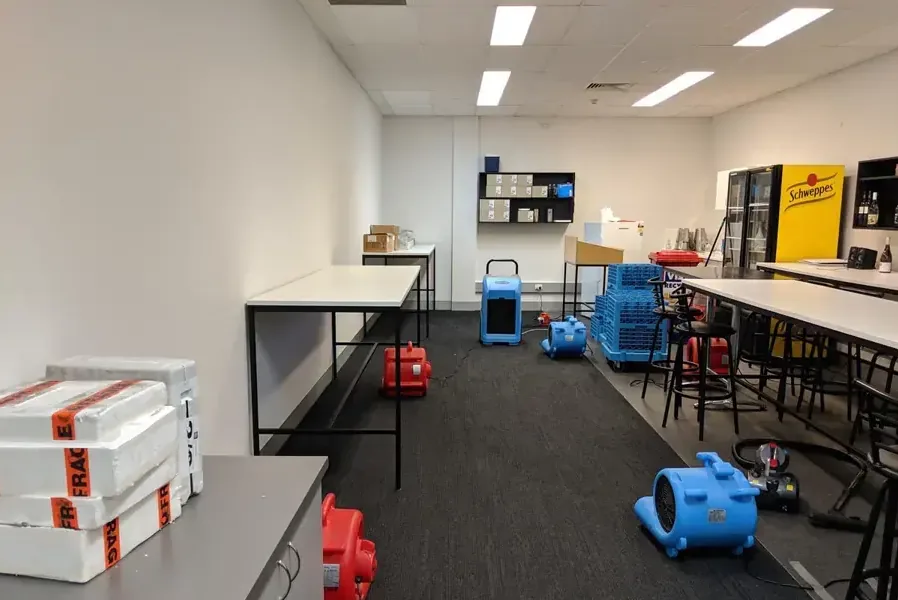 Commercial Water DamageShops, offices and apartment buildings get phased drying plans that keep tenants and operations moving.See how this service works
What to do while water is still spreading
A few safe actions in the first stretch can keep a small leak from turning into a gutted room.
- 1Stop the water source
Close the shutoff valve or unplug the appliance, and cut power to wet rooms only if the panel is dry.
- 2Stay out of floodwater
Water near outlets, cords or a flooded panel can carry current, so keep out until the crew checks.
- 3Avoid moving water
Wading through it or using a household vacuum on it only spreads contamination onto dry floors.
- 4Take photos first
Photograph the waterline, wet belongings and the source before anything moves, because insurers want that record.
- 5Get the drying started
Wet drywall, padding and insulation hold moisture within a day or two, so extraction and fans need to start early.
Built for older homes and rented units
Built for pre-1980 construction
Roughly 91.9 percent of housing units were built before 1980, so plaster, old framing and layered floors shape each drying plan.
Apartments and attached homes
With four Park View towers and many attached buildings, one leak can reach a neighbor, so records stay unit by unit.
Water from creeks, storms and drains
Flood zones along the Cooper River and Newton Creek make storm water extraction a realistic need for borough property owners.
Records that insurers can follow
Moisture readings, photos and a drying log are kept so an adjuster can see what was wet and when.
How a wet building gets back to dry
Drying follows a set order: find the wet materials, pull out the water, remove what cannot dry, then run equipment and check readings until they settle near normal.
- 1
Measure
Meters and a thermal camera map which walls, floors and ceilings are holding water.
- 2
Remove water
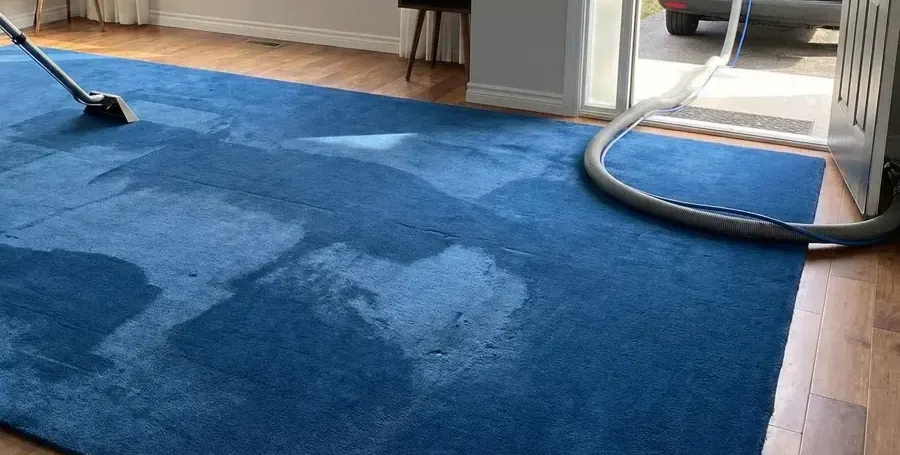
Pumps and extractors clear standing water, then wands draw moisture from carpet and pad.
- 3
Remove what stays wet
Soaked padding, insulation and lower drywall come out when they cannot dry where they sit.
- 4
Check every day
Readings are retaken each visit, and equipment shifts as the numbers fall toward dry.
- 5
Sign off on dry
Final readings go in the drying log, and equipment leaves only after walls and floors match the dry reference.
- Truck-mounted extractors and submersible pumps for deep standing water
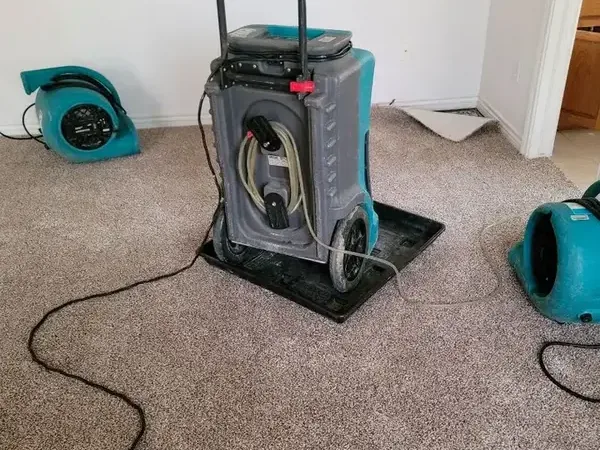
- Air movers and LGR dehumidifiers sized to each room and moved as the readings change
- Moisture meters, a thermal camera and hygrometers for daily readings and records
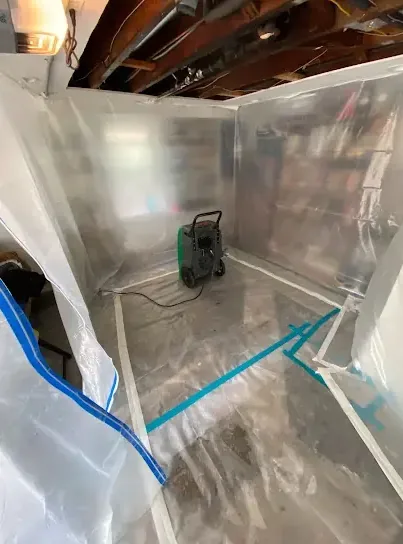
- HEPA air scrubbers and plastic containment whenever sewage or construction dust is involved
What water damage cleanup can cost in the borough
Cost follows the size of the loss, the type of water and how long materials stayed wet. Most small leaks land near the low end, while sewage or flood jobs climb.
Small clean-water leak
$1,200 to $6,500- Pumps and extractors running
- Floor and wall drying with fans
- Moisture readings on each visit
Several rooms or a ceiling
$6,500 to $15,000- Carpet, padding and lower drywall removal
- Insulation pulled where wet
- Dehumidifiers running for days
Sewage or flood damage inside
$15,000 to $25,000+- Category 3 containment
- Porous materials removed
- Disinfection and extended drying equipment
Every home is different, so the water damage cost calculator gives a rough range, and a written scope after inspection gives the real figure for your property.
Insurance and water damage claims
Whether a policy responds depends on its wording and the cause of the water, so photos, readings and a clear drying record help an adjuster understand the loss.
Steps before the adjuster visits
Keep damaged items until the adjuster has seen them, photograph the waterline and the source, and save receipts for emergency work. Rising creek water is usually a separate flood coverage matter.
Renters in the borough's many rented units can carry their own policy for belongings, and an owner's policy usually covers the building itself. Ask both which one applies before work is approved.
- Photos and video of every wet room before cleanup begins
- Date the water was first noticed
- A room by room list of damaged belongings
- Receipts for pumps, hotel nights or emergency repairs
- The drying log and final moisture readings
Everyday leaks that become big losses
Pipes behind old walls
A split pipe inside a wall can run unseen, soaking insulation and the ceiling below.
Burst pipe cleanupKitchen and laundry leaks
A failed hose or pan lets water creep under cabinets, sometimes reaching the unit below.
Appliance leak cleanupBackups from drains
Sewage coming back through a drain or toilet is contaminated and needs protective gear to clean.
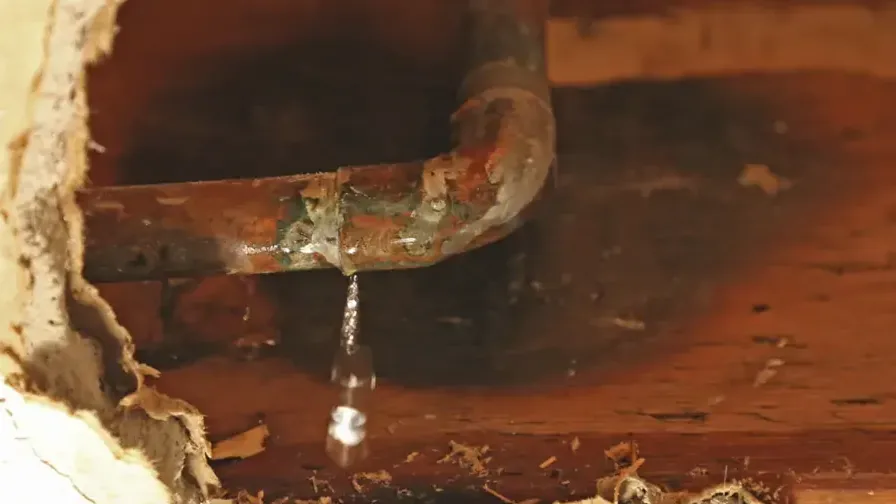
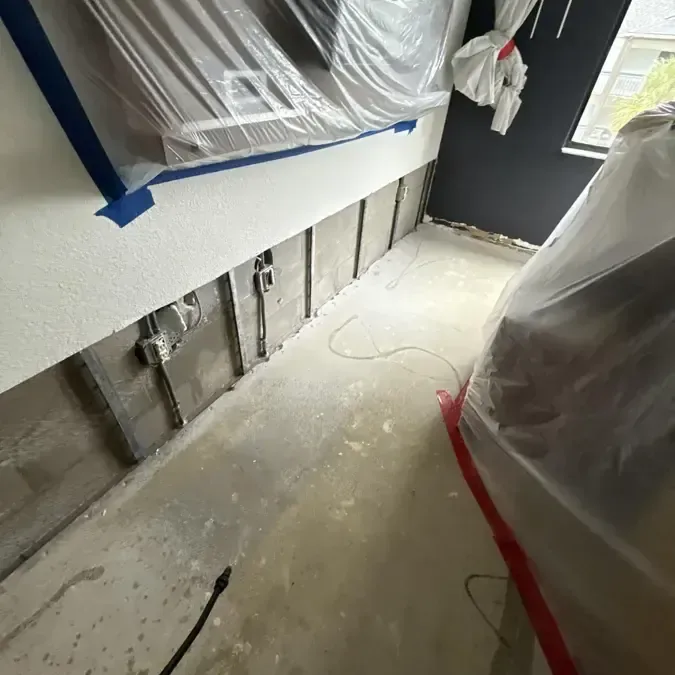
Sewage backup cleanupTypical extraction, containment and drying setups on water jobs
Photos show typical equipment and methods used on water damage jobs.
Neighborhoods and corridors covered here
Crews work across the borough, from the streets around Knight Park to Haddon Avenue businesses and the apartment towers.
Parks and residential streets
ZIP 08108
- Knight Park area
- Park Avenue near Knight Park
- Merrick Villa area
- Eldridge Avenue
Business districts and towers
ZIP 08108
- Haddon Avenue downtown
- Haddon Avenue office stretch
- Collings Avenue business district
- Park View
Tell the crew what the water did
Say where the water came from, how far it spread and what it touched, and the crew will outline the first steps for a home or business anywhere in the service area.
Email works for photos and floor plans, and the same message can carry policy details. Emergency water, sewage or active leaks are better reported by phone.
What puts borough homes at risk
The Cooper River marks the northern edge of the borough and Newton Creek the southern edge, and FEMA flood hazard zones follow both waterways as well as the North Branch of Newton Creek.
- Older houses. About 46.7 percent of housing units sit in buildings from 1939 or earlier, so aged materials deserve a hard look after any leak.
- Creeks and flood zones. Cooper River Lake can back up when the Delaware River runs high, and Newton Lake stays tidal in the borough despite its dam.
- Road flooding. South Park Drive flooded in April 2014, June 2019, December 2023 and January 2024, a reminder of how fast heavy rain can collect.
- Sewers and drains. Developed areas have sanitary sewers and separate storm drains, and the borough Water/Sewer Department takes reports of sewer stoppages.
- Shared walls. With 48.1 percent of occupied homes rented and buildings from two units to Park View towers, one leak can travel to neighbors.
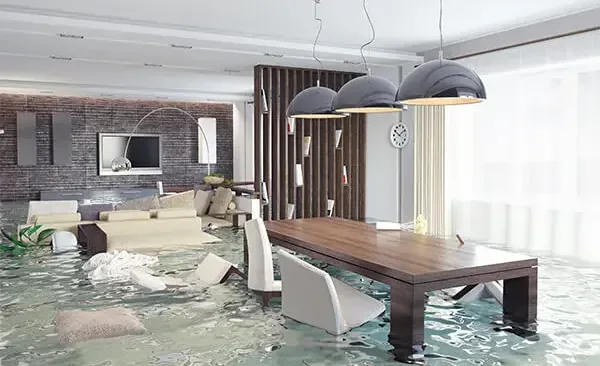
January 9 and 10, 2024: A wind and rain storm flooded South Park Drive past Browning Road, crews handled a fallen utility pole and downed wires, and the water was still there that evening.
Questions about water in the house
How soon should drying start after a leak?
Drying should begin as soon as the source is stopped, because wet drywall, padding and framing can hold moisture and start to deteriorate within a day or two.
What affects the cost of a water damage job?
The amount of water, how many rooms it reached, whether it was clean, gray or sewage, and how long materials stayed wet all move the price. Finished floors and ceilings add removal work.
What should be done when sewage backs up through a drain?
Keep people and pets out, stop using plumbing fixtures, and avoid touching the water. Sewage is Category 3 contaminated water, so porous materials that soak it up usually have to be removed, not cleaned.
Can wet carpet be saved?
Clean-water spills caught early can sometimes dry in place with extraction and air movers. Carpet that sat in gray water or sewage, or padding that stayed soaked, is normally replaced. Moisture readings settle the question.
Can a sump pump discharge into the sewer?
Borough code Chapter 247 says no person shall connect a sump pump to a sewer, and the record title owner is responsible, so discharge needs another route. The drying team handles the water a failed pump leaves behind.
How do old buildings affect drying?
Older plaster, layered flooring and thick framing can hold water longer than newer finishes, so the drying team checks wall cavities and floors with meters and a thermal camera rather than trusting surface appearance. Plenty of buildings here fit that description.
What happens when a pipe freezes and bursts in winter?
The water supply is shut off first, then water is extracted and the wall, ceiling or floor below is opened where needed. First frosts usually arrive in late October or early November, so cold snaps are a real risk.
Does the crew handle apartments and shops in Collingswood?
Yes. The crew works in single homes, attached homes, apartment buildings and Haddon Avenue storefronts, keeping separate records when several units are affected.
What should be done about a leaking water heater?
Shut off the water supply to the tank first, then keep people out of standing water, because wet floors near outlets are a shock risk. Replacing a water heater is a permitted job in the borough.
Does the crew work with insurance adjusters on a claim?
The crew provides photos, moisture readings and a drying log, which adjusters use to confirm what was wet, but coverage decisions rest with the policy and the insurer.
Move on wet floors and walls before the damage spreads
Explain what happened and the crew will map out extraction, drying and cleanup for the property.