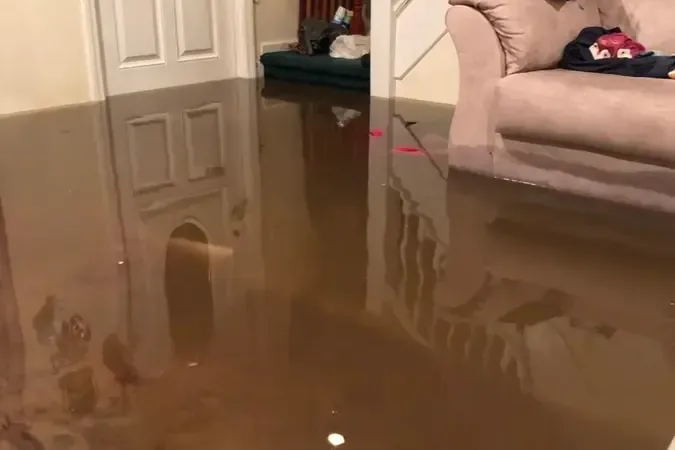
Floodwater is rated Category 3 from the start because it crosses yards and streets before it reaches the house. It carries soil, bacteria and sometimes sewage, so carpet, pad and wet drywall come out rather than being dried in place.
Flood context for the borough
The borough adopted the FEMA flood insurance maps for Camden County by ordinance effective September 28, 2007, and keeps the study and maps at Borough Hall. The U.S. Geological Survey has also published a flood magnitude and frequency report for Little Timber Creek at the Interstate 295 culvert, listed under Haddon Heights.
What the storm cleanup involves
- Pumps and extraction units remove the water, and standing water is cleared from every level.
- Soaked carpet, pad and drywall are cut out, with flood cuts set above the waterline.
- Surfaces are cleaned and treated with an EPA-registered antimicrobial.
- Dehumidifiers and air movers dry the structure under daily readings.
Paperwork and next steps
Flood losses are usually handled through flood coverage rather than a standard homeowners policy, so the photos, the waterline marks and the drying log matter. Anyone unsure which policy applies should ask the insurer before work starts.
When the floodwater came up a drain, the job follows sewage backup cleanup, and the drying time estimator frames how long the structure will need equipment.