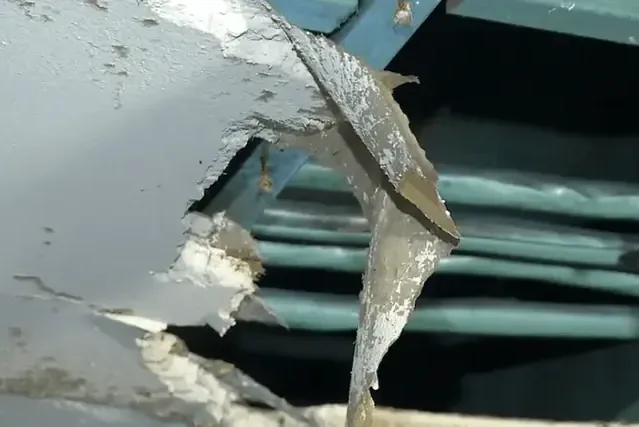
Water stays locked in a frozen pipe until the ice melts, so the damage usually appears when the weather warms and the pipe lets go. In a January 2016 Code Blue advisory, Camden County told residents to let water trickle and to open kitchen and bathroom cabinet doors, and both steps still help.
Where freezing pipes cause trouble
Pipes in exterior walls, under sinks on the cold side of a house and in unheated spaces are the usual suspects. The break may be a split seam or a failed fitting, and it often drips unseen inside the wall cavity for hours. A pipe wrapped in insulation or kept moving by a trickle of water is much less likely to crack.
The cleanup after the thaw
- The pipe is shut off and the water is extracted from floors.
- Wet insulation and drywall are opened where readings show trapped moisture.
- Ceilings and rooms below are checked, since water drops through the floor.
- Air movers and dehumidifiers run with daily readings until the framing is dry.
Documenting a winter loss
Photos of the split, the date of the freeze and daily readings make the claim easier to follow. Policies often cover sudden freeze breaks, but terms differ, so read the wording and keep the drying log.
Related work includes burst pipe cleanup, and the frozen pipe risk check shows which pipes in a house are most exposed.