Emergency water removal

Emergency Water Extraction in Collingswood, NJ

Standing water soaks into padding, baseboards and framing the longer it sits. Truck-mounted extractors and pumps pull it out of carpet, hard floors and slabs so drying can start on solid ground.

(888) 471-9821Get pumps pulling on your wet floor
Truck-mounted extractors Pumps for deep water Carpet and hard floors
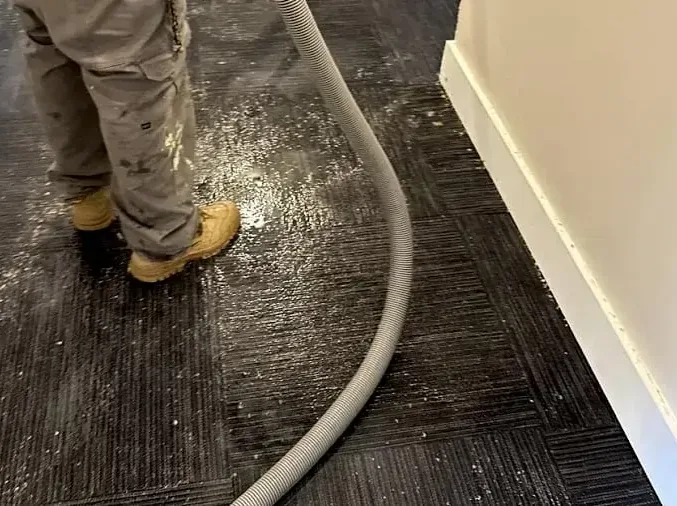
Extraction hose pulling standing water off wet carpet during a cleanup
This loss at a glance
Main toolsExtractors and pumps
SurfacesCarpet, tile, wood, slab
ChecksMoisture readings
Next stepStructural drying
First moves

Emergency Water Extraction: what to do before the crew arrives

  1. 1
    Stop the source

    Close the shutoff valve or unplug the leaking appliance before anything else.

  2. 2
    Keep power away

    Leave wet outlets, cords and the electrical panel alone until the area is judged safe.

  3. 3
    Lift what you can

    Move rugs, small furniture and boxes onto dry surfaces so they stop wicking water.

  4. 4
    Photograph everything

    Record the waterline and damaged items before pumps start, because that evidence supports a claim.

Order of the work

How emergency water extraction is handled in Collingswood, NJ

Measure, extract, dry, verify: skipping a step is how hidden moisture ends up sealed inside a wall.

  1. 1

    Assess the water

    Water type, source and wet rooms are identified with meters before any pump starts.

  2. 2

    Pull the water

    Extractors and pumps remove standing water, then wands work carpet and pad.

  3. 3

    Lift soaked layers

    Padding and other materials that cannot dry in place are cut out and bagged.

  4. 4

    Hand off to drying

    Fans and dehumidifiers go in, and daily readings show when the room is dry.

Typical cost ranges

What does emergency water extraction cost in Collingswood, NJ?

Extraction cost follows the amount of water, whether it is clean, gray or sewage, and how many rooms and floor types it touched. Deeper water and contaminated water move a job toward the higher ranges.

A single wet room

$800 to $2,000
  • Extractor pass
  • Pad checked
  • Meter readings

Several rooms or a basement

$2,000 to $5,000
  • Soaked pad pulled up
  • Pumps for deeper water
  • Drying equipment set

Contaminated water or a whole level

$5,000 to $9,000+
  • Containment barriers
  • Porous materials removed
  • Antimicrobial treatment

Ranges move with the water category, the square footage, the material class and how fast drying started. For a planning number, run the water damage cost calculator.

Water that has been sitting on a floor keeps moving into baseboards, padding and the bottom of walls, so removal comes before any drying equipment. Here, that can mean a burst pipe in an older house, a failed washer on an upper floor, or storm water that came in from outside. Each source changes the tools and the safety steps.

Pulling water from floors

A truck-mounted unit pulls large volumes through a long hose, while portable extractors and submersible pumps handle smaller rooms, stairs and deep standing water. Carpet gets a weighted wand pass to draw moisture out of the pad beneath it. Hard floors get a flat tool that lifts water from seams and edges.

What the crew does first

  • Shut off the water source or confirm that it has already been stopped
  • Check for hazards such as wet outlets and slippery stairs
  • Map the wet areas with a moisture meter and a thermal camera
  • Move furniture and belongings off wet flooring

Storm water and the creeks

FEMA flood hazard zones follow the Cooper River, Newton Creek and the North Branch of Newton Creek, and South Park Drive flooded in April 2014, June 2019, December 2023 and January 2024. After storms, extraction work often starts near those waterways. FloodSmart.gov covers flood coverage and preparation basics.

Pulling water out is only the first stage. Storm and creek flooding and sewage are handled as contaminated, and structural drying follows once the standing water is gone. Photos taken before any pump starts keep the claim record clear.

Service area

Emergency water extraction across the area and nearby towns

Service area around the town

Extraction runs across the borough, from the older streets around Knight Park to apartment buildings, Haddon Avenue storefronts and the corridors along the Cooper River and Newton Creek.

The same service nearby: emergency water extraction in Mount Laurel, Audubon, Haddon Heights.

Every water service in this town · every town covered

Questions

Emergency Water Extraction questions in Collingswood, NJ

Can a wet vac do the same job?

A household vacuum can handle a small spill, but it cannot match a truck-mounted unit on carpet or a pump on deep water, and it leaves moisture in the padding.

Does the carpet have to be replaced?

Not always. Clean water caught early can leave carpet salvageable, while padding is often replaced, and carpet that sat in gray or sewage water is normally discarded.

What about water from a creek or storm?

Storm and creek water is treated as contaminated. The crew uses protective gear, removes porous materials it touched and disinfects hard surfaces after the water is out.

Should the power be shut off?

If water has reached outlets, cords or the panel, power to that area should be shut off from a dry spot or by an electrician.

How soon does drying need to begin after extraction?

As soon as the water is out. Wet drywall, padding and framing hold moisture, and leaving them damp for a day or two invites swelling, odor and mold.

Does insurance cover extraction?

That depends on the policy and the cause of the water. Photos, readings and invoices from the extraction visit give an adjuster the record needed to review the claim.

Water in the house right now

Get the water out before it spreads

Describe the room, the source and how long the water has been there, and the crew will outline the extraction and drying plan.

(888) 471-9821Set up the pump-out
(888) 471-9821 flood & leak help