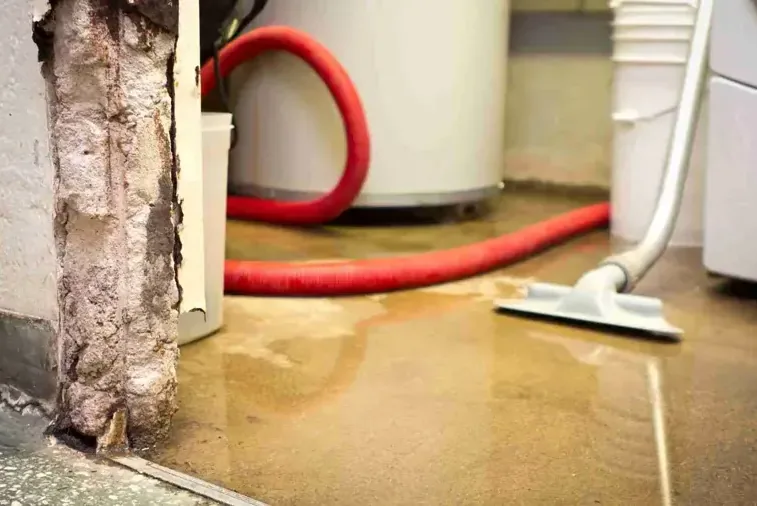
A water heater can leak slowly from a fitting or fail all at once, and either way the water runs outward from a small footprint into whatever is nearby. The crew finds the full spread with meters, then extracts and dries. Utility spaces often hold paint, boxes or stored items that wick water, so those are moved before the floor is read.
Older homes, older tanks
The median home in the borough was built in 1938, and tanks and connections in older homes can fail. A tank that is past its age should be checked, since a drip at the base or a rusty fitting often comes before a bigger failure.
What the cleanup covers
- Shutting off the water and power to the heater
- Extracting water from the closet, garage or room
- Removing wet flooring, pad or lower drywall
- Drying the area and checking the next room
Finishing the job
A plumber replaces the tank or fitting, and the crew keeps drying until readings are normal. Water from a heater leak is clean at first but can turn gray when it soaks carpet, so water extraction happens quickly.
Photos of the failed tank, its label and the wet area help an adjuster. Where the leak reached the floor below, ceiling leak water damage steps apply.