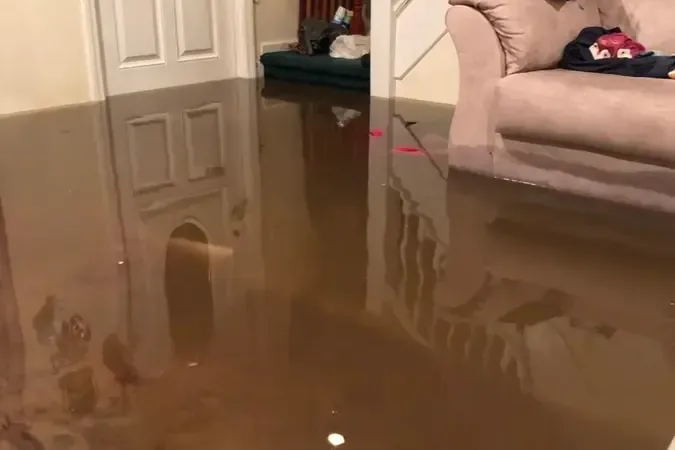
On June 19 and 20, 2019, a flash flood inundated several homes and businesses in the Bellmawr, Barrington and Brooklawn areas, according to the National Weather Service. Interstate 295 closed for a long stretch in the pre dawn hours of June 20. For property owners here, that storm remains the clearest local example of how fast water can move.
Key takeaways
- The National Weather Service says the June 19 and 20, 2019 flash flood inundated several homes and businesses in the borough and in neighboring Bellmawr and Brooklawn.
- Interstate 295 closed for a long stretch in the pre dawn hours of June 20, and the New Jersey Turnpike was among the major roads closed in the region.
- After that flooding, a borough notice asked residents to report storm damage because FEMA planned to visit Camden County to confirm it.
- Photos and dated notes taken before cleanup begins help with any later report.
- Flood water that enters a building is treated as contaminated, so wet porous materials are removed before drying starts.
What happened on June 19 and 20, 2019
The National Weather Service describes a significant flash flood event across southeast Pennsylvania and southern New Jersey. It names the inundation of several homes and businesses in the Bellmawr, Barrington and Brooklawn areas.
The roads told the same story as the buildings. Interstate 295 closed for a long stretch in the pre dawn hours of June 20, and the New Jersey Turnpike was among the major roads closed by flash flooding in the region.
- The event spanned June 19 and 20.
- Homes and businesses in the borough and its neighbors took on water.
- Both major highways near the borough were affected.
Why the borough's low spots matter
The borough drains toward Beaver Brook, Interstate 295 and the New Jersey Turnpike. A 2022 stormwater study by Pennoni lists recurring flood areas in Barrington, so the 2019 storm landed on a place with a known drainage pattern.
The study talks about streets and drainage, not about individual houses. Still, it shows where water tends to gather.
The list shows a pattern of low spots and highway ditches, which is useful background for anyone deciding how to protect a property.
- Water ponds at the intersection of East Williams Avenue and Clements Bridge Road, which drains toward the New Jersey Turnpike.
- Borough staff say Third Avenue floods because the low ditch along Interstate 295 backs the drain system up toward Trenton Avenue.
- Austin Avenue has a low spot along the highway ditch, and the study ties that flooding mainly to drainage outside borough control and the height of Interstate 295.
- Tavistock Boulevard, Nassau Drive and Chesterfield Road are flat low spots that share one drainage area and drain to a ditch in the Interstate 295 right of way.
- Erie Avenue floods at a natural low spot where the Atlantic Avenue railroad appears to trap water.
The borough notice after the flood
After the June 19 and 20 flooding, a borough notice asked residents to report storm damage because FEMA planned to visit Camden County to confirm the damage.
A report only works when the damage is documented, which is why photos taken before cleanup begins matter.
- Photograph the high water mark on walls and furniture before anything is moved.
- Write down the date and time that water entered.
- Keep damaged items until they are photographed.
- Save receipts for any emergency work.
First steps when flood water gets in
In a flash flood the first minutes are about safety, and the first day is about limiting what the water can reach.
Water that rises fast leaves little time. Even a shallow layer can ruin flooring, soak the lower part of walls and reach outlets.
- Stay out of standing water until the power to that area is off.
- Do not wade through flood water outside, where it can hide holes, debris and live wires.
- Lift valuables, papers and electronics above the flood mark.
- Keep children and pets out of the affected space.
- Call a storm and flood cleanup team once the area is safe to approach.
Why flood water is handled as contaminated
Flood water from a street or a yard can carry soil, oil, sewage and debris. Nothing that soaks it up can be assumed clean.
The restoration team treats it as Category 3 water, which means it is contained, removed and treated before drying begins.
Hard rain on paved ground runs off quickly toward low spots, which is part of why a flash flood can reach a property that stayed dry in earlier storms.
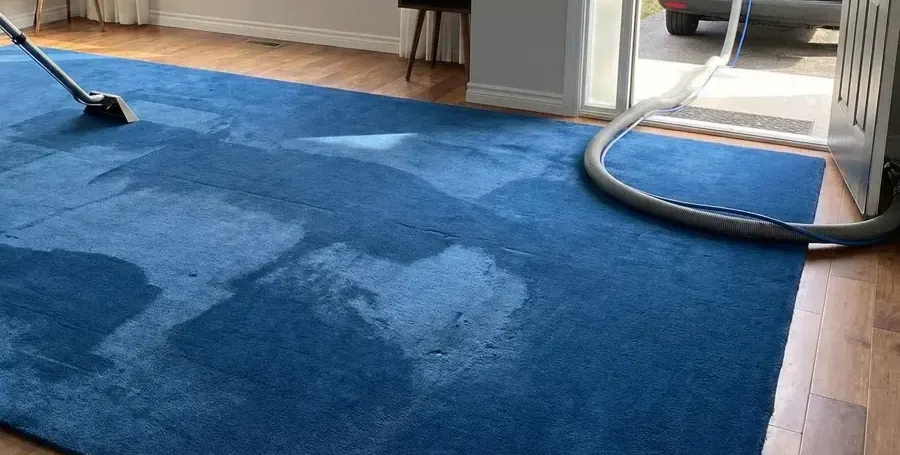
- Carpet and pad that flood water soaked are removed.
- Drywall below the high water mark is cut out.
- Hard surfaces are cleaned and treated.
- Contents are sorted into what can be cleaned and what cannot.
Extraction, drying and records
A basement flooding cleanup and a ground floor flood follow the same order. Water comes out first, then wet materials come out, then the structure is dried.
Pumping and extraction
The crew uses pumps and truck mounted equipment to bring the water level down. The longer water stands, the more material has to be removed, so water extraction is the first step.
Drying to readings
Air movers and dehumidifiers go in after removal. The drying team takes moisture readings on each visit and keeps equipment running until walls and floors match dry reference points.
Records for later
Dated photos and daily readings give the owner a clear record of what the water did and what the work did about it.
Getting ready before the next flash flood
A flash flood leaves little time, so the useful work happens earlier.
- Learn where the main water shutoff and the electrical panel are.
- Keep valuables, papers and electronics off the floor in low rooms.
- Photograph each room now, so a before picture exists.
- Clear gutters and downspouts so roof water leaves the house.
- Keep contact details for the utility, a plumber and a restoration team in one place.
Know the drainage near the property
A street that appears on the stormwater study list is a good reminder to watch the weather. Owners nearby can keep inlets clear and watch for ponding.
Plan the first day
Decide in advance who shuts off the power, who calls the restoration team and where the family goes if water enters.
Questions
What happened in Barrington on June 19 and 20, 2019?
The National Weather Service says a flash flood inundated several homes and businesses in the Bellmawr, Barrington and Brooklawn areas.
Why did Interstate 295 close?
Flash flooding closed Interstate 295 for a long stretch in the pre dawn hours of June 20. The New Jersey Turnpike was among the other major roads closed in the region.
What did the borough ask residents to do after the storm?
A borough notice asked residents to report storm damage because FEMA planned to visit Camden County to confirm it.
Is flood water safe to clean up without help?
Not usually. It is treated as contaminated, so porous materials it soaked are removed and surfaces are cleaned and treated. A restoration team classifies the water first and then decides what can stay.
Does every street flood in a storm like that?
No. The 2022 stormwater study lists specific recurring flood areas, which are streets and drainage low spots rather than every property.