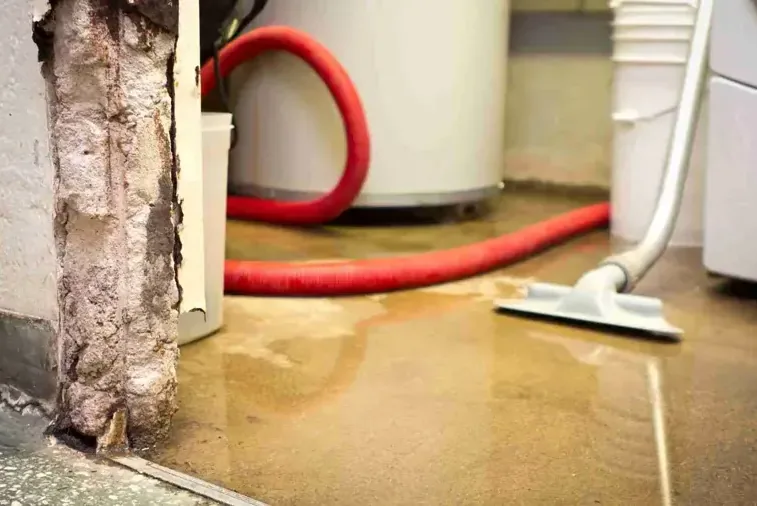
A water heater tank holds a lot of water, and when it fails it empties onto whatever is nearby. In Collingswood, replacing that tank is also a permitted job, so the cleanup and the repair have to be planned together.
Key takeaways
- The borough construction fee schedule, in Chapter 135, lists a water heater permit item, so replacing a water heater is a permitted job.
- Borough construction permits can include Building, Electric, Plumbing, Fire and Elevator subcode sections as needed.
- About 46.7 percent of the borough's housing units are in buildings built in 1939 or earlier, and about 91.9 percent were built before 1980.
- A leaking tank usually needs replacement, and the cleanup and drying run alongside the repair.
- Where the tank sits, in a closet, a garage or a utility room, decides how far the water travels.
Why a failed tank does so much damage so fast
A tank can hold dozens of gallons, and most of it can reach the floor quickly when a seam or fitting gives way. A slow weep is different but not harmless, since it can soak a subfloor for a long time before anyone sees it.
Either way, the water goes to the lowest and easiest path. That path is often under a wall or across a floor.
The tank also sits in places that hide leaks. A closet, a corner of a utility room or a spot behind a door can leak for a while before anyone looks.
- A sudden failure puts a large volume of water on the floor at once.
- A slow leak wets a small area for a long time, which allows damage to build quietly.
- Water can follow pipes, wall bottoms and floor seams into nearby rooms.
Water heater replacement is a permitted job in Collingswood
A leaking tank is a repair problem and a paperwork problem at the same moment.
What the fee schedule lists
The borough construction fee schedule, in Chapter 135, lists a water heater permit item. That means replacing a water heater is a permitted job, not a swap that needs no paperwork.
How permits are organized
Construction permits here can include Building, Electric, Plumbing, Fire and Elevator subcode sections as needed.
Fitting the cleanup around the permit
Ask the installer how the permit will be handled before the old tank comes out. Drying equipment and the new tank can share a room, so the two jobs need a plan.
What older buildings change here
About 46.7 percent of the borough's housing units are in buildings built in 1939 or earlier, and about 91.9 percent were built before 1980. Most of the housing dates to the first decades of the twentieth century, in styles such as Colonial Revival, Dutch Colonial Revival, American Foursquare, Queen Anne and bungalow.
In older buildings a tank may sit in a closet or a corner of a utility space, where a leak can reach walls and floors quickly.
Of occupied homes, 51.9 percent are owner occupied and 48.1 percent are rented, so a landlord is often part of a water heater repair. The Collingswood water damage restoration services cover both owners and tenants.
That mix of older buildings and rental homes makes records useful. A dated photo and a drying log help owners, tenants and landlords work from the same facts about what happened.
- Older buildings often have tight closets and utility corners.
- A rented home adds a landlord to the repair and permit conversation.
- Older floors and walls can hide water for a long time.
First steps after a tank fails
The first moves are about shutting off the source and keeping people safe.
- Shut off the cold water supply to the tank.
- Turn off power or gas to the water heater.
- If gas can be smelled, leave the building and call the gas utility from outside.
- Keep people out of the wet area until power to it is off.
- Move furniture, boxes and rugs out of the wet zone.
- Photograph the tank, the water and the damage before cleanup begins.
- If the floor is wet near the tank, do not stand in the water while touching the heater.
How the cleanup works by location
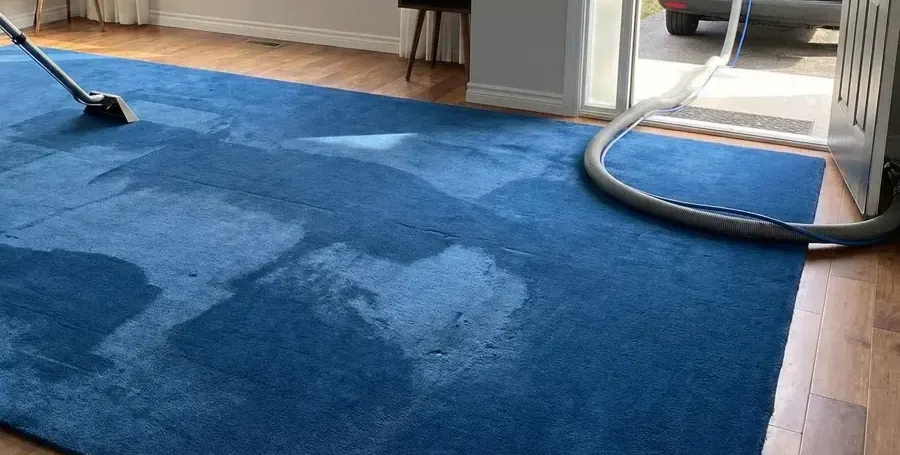
The tank location changes the plan. A water heater leak cleanup starts with where the water went.
A closet tank
Water from a closet tank runs into the wall and the floor beyond it. Wall cavities are checked and opened where readings show moisture.
A garage or utility room tank
Water spreads across a hard floor and into nearby storage and baseboards. The crew extracts the water, removes soaked materials and dries the floor and walls.
Water that reaches a floor below
When a tank sits above finished space, water can come through the ceiling below. Both levels are measured and dried, and the ceiling may need to be opened.
What the drying team measures
After the water is out, the team measures the floor, the baseboards and the wall behind the tank. Readings show which materials can dry in place and which have to be removed.
Drying records and the replacement date
The old tank comes out and the new one goes in on a schedule that has to match the drying. Structural drying brings walls and floors back to dry readings before they are closed up.
Moisture readings show when the area is dry enough to close and rebuild.
- Keep photos from before the cleanup.
- Keep the moisture readings from each visit.
- Keep the permit and installer paperwork together with the drying records.
- Share the records with the landlord or the association if one is involved.
Signs a tank is close to failing
Many tanks give some warning before a full failure. Spotting it early can turn an emergency into a planned replacement.
- A puddle or damp spot around the base of the tank.
- Rust colored stains at the base, the seams or the fittings.
- Rumbling or popping noises when the tank heats.
- A relief valve that drips or weeps.
- Water that runs rust colored from the hot tap.
Act on the warning
A small leak at a fitting may be repairable, but a leak from the tank itself usually means replacement. Either way, the permit question comes first.
Keep the area clear
Stored boxes and cleaning supplies against the tank hide early leaks and soak up water. A clear floor around the tank shows trouble sooner.
Questions
Does replacing a water heater in Collingswood need a permit?
The borough construction fee schedule in Chapter 135 lists a water heater permit item, so replacing a water heater is a permitted job.
Can a leaking water heater tank be repaired?
A tank that has started to leak usually needs replacement, since sealing a failed tank does not hold. The cleanup and drying run alongside the replacement.
Which trades can a construction permit include?
Permits can include Building, Electric, Plumbing, Fire and Elevator subcode sections as needed.
Why does building age matter after a leak?
About 91.9 percent of the borough's housing units were built before 1980, so a tank in an older closet or utility space can send water into walls and floors.
What should be saved for a landlord or an association?
Photos from before cleanup, daily moisture readings and the permit and installer paperwork give everyone the same record of the loss and the repair.